Reframing Young Parenthood
Reframing Young Parenthood
Intergenerational Dynamics of Poverty and Stigma
Reframing Young Parenthood (RYP) explores everyday family life through the experiences of children and their parents.
The study examines how poverty and stigma shape families’ relationships, wellbeing and hopes for the future. It showcases the challenges facing low-income young parent families alongside the care, joy, playfulness and connection of everyday life, and aims to shift stigma and negative narratives around young parenthood.
Using creative and participatory methods, including intergenerational interviews and photovoice, children and parents share what matters to them and what they would like others to understand about their families. The research involves collaboration with primary schools and family support services. Together, we are creating outputs, including community and digital exhibitions, that represent the experiences of young parent families and offer ideas for change.
The study is led by Dr Linzi Ladlow, Senior Research Associate at the University of Lincoln, and funded by a Leverhulme Trust Early Career Fellowship for three years from January 2026.
Visualising Young Parenthood: Through the Eyes of Children
The pilot study that informed RYP
This exhibition shares the photographs and stories of six young parent families, exploring everyday life through children’s and parents’ experiences.
Led by Dr Linzi Ladlow and funded by the Policy Hub at the University of Lincoln, Visualising Young Parenthood (VYP) supported children aged 5–11 to conduct photovoice research with their parents. Together, they produced photographs and narratives about their family lives.
Six families took part, including six mums, one dad and fourteen children. The study was conducted in partnership with Hawksworth Wood Primary School in Leeds. School staff also contributed, sharing their approach to supporting young parent families.
The families’ accounts explored experiences of stigma, the challenges of limited resources and the importance of support. Their photographs and stories also show the love, joy, playfulness and adventure of everyday life for young parents.
Explore the family stories
Choose a family to explore their photographs and stories.
Amy’s diary
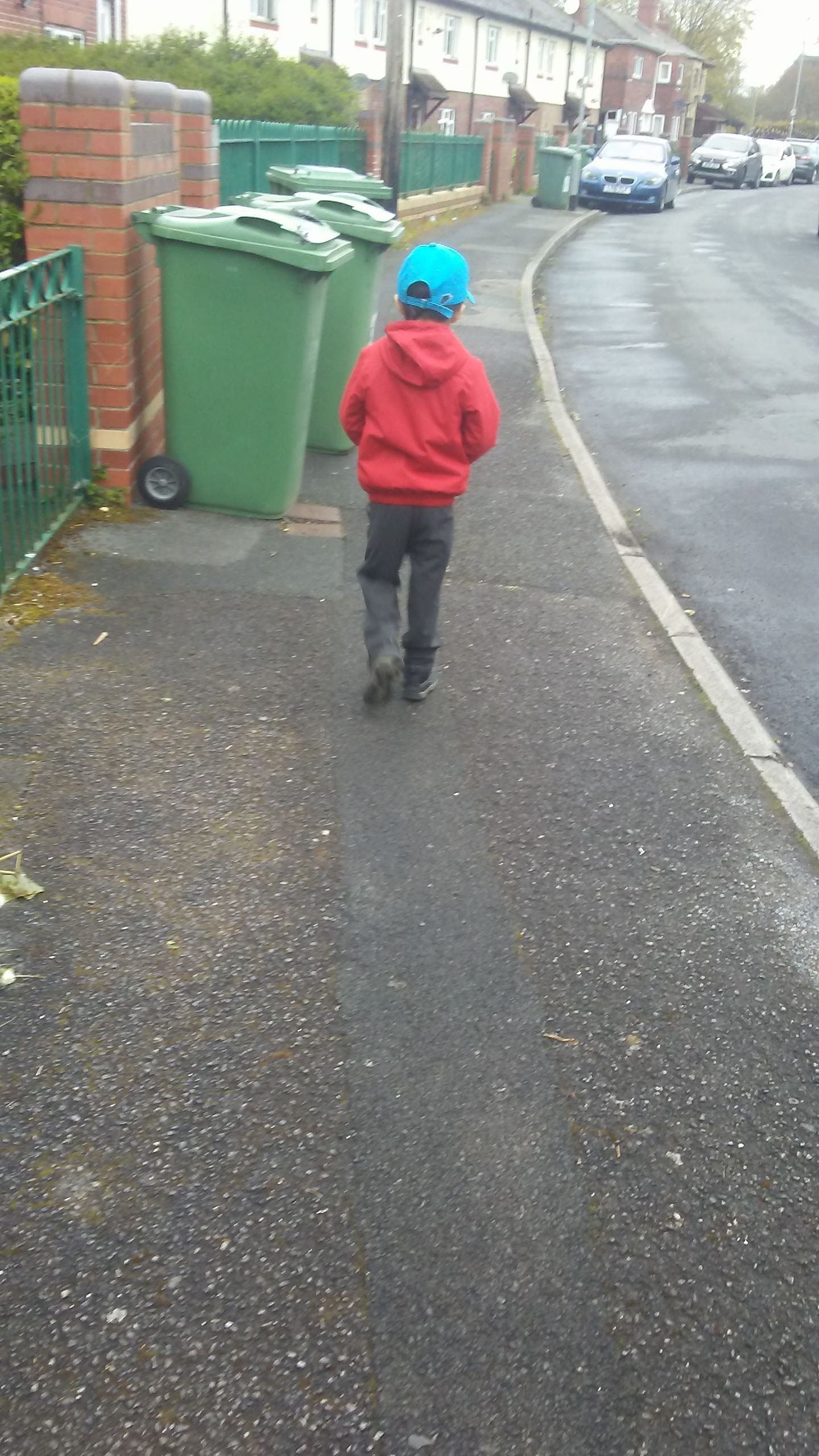
Amy + Rayaan
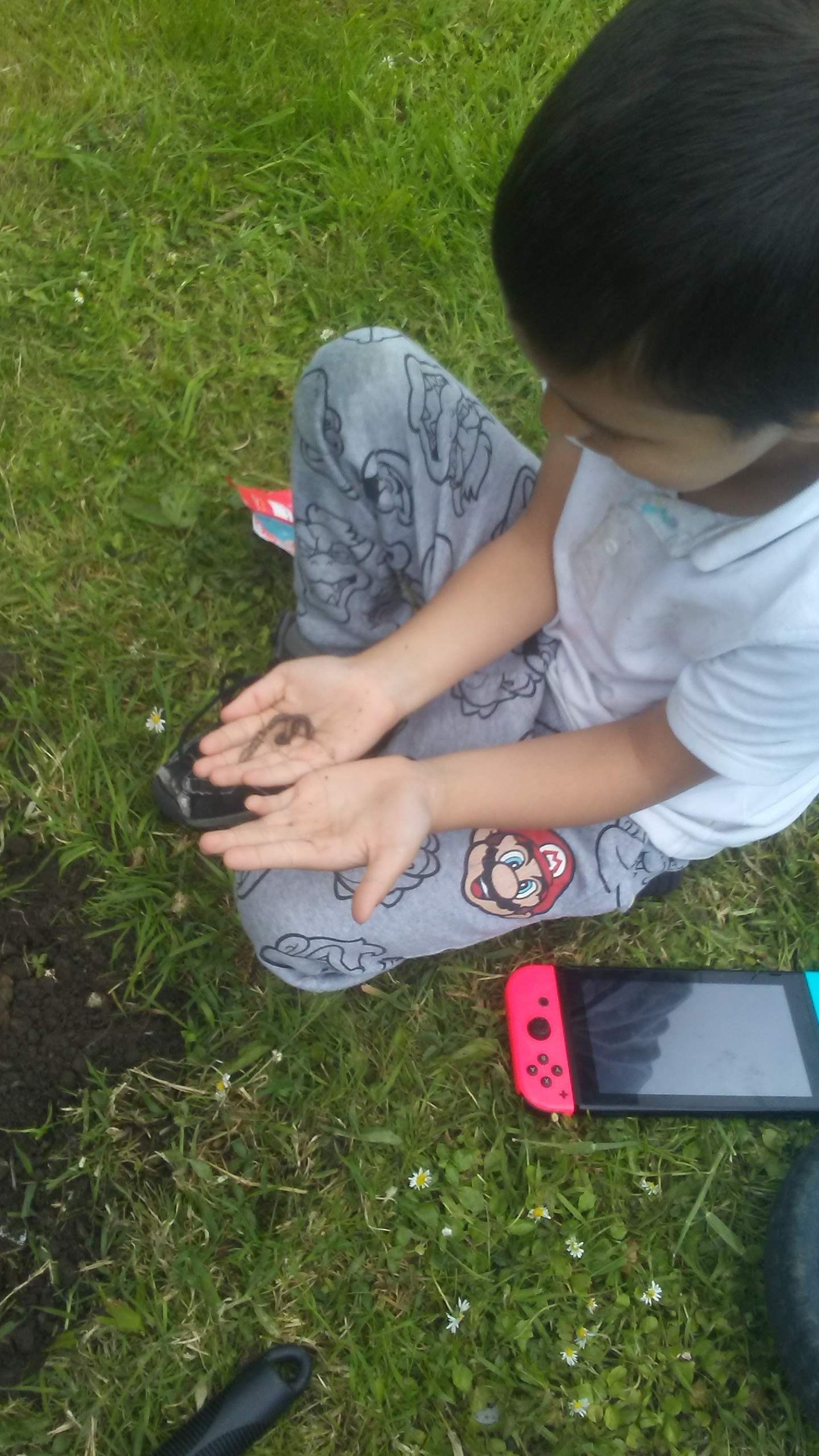
Holding a worm
“He held a worm for the first time. He were so scared to do it and I were scared to touch it but, it’s in my garden so I just went, I put it on his hand and then he were liking it, he were playing with it.”
Amy became a mother aged 26, the pregnancy was a surprise. Her son, Rayaan is 6 years old and the two of them live together with their dog.
Amy had poor mental health before becoming a mother and she credits Rayaan with turning her life around. Rayaan and Amy love playing games and having fun together.
Amy receives lots of support from school and her best friend who lives nearby.
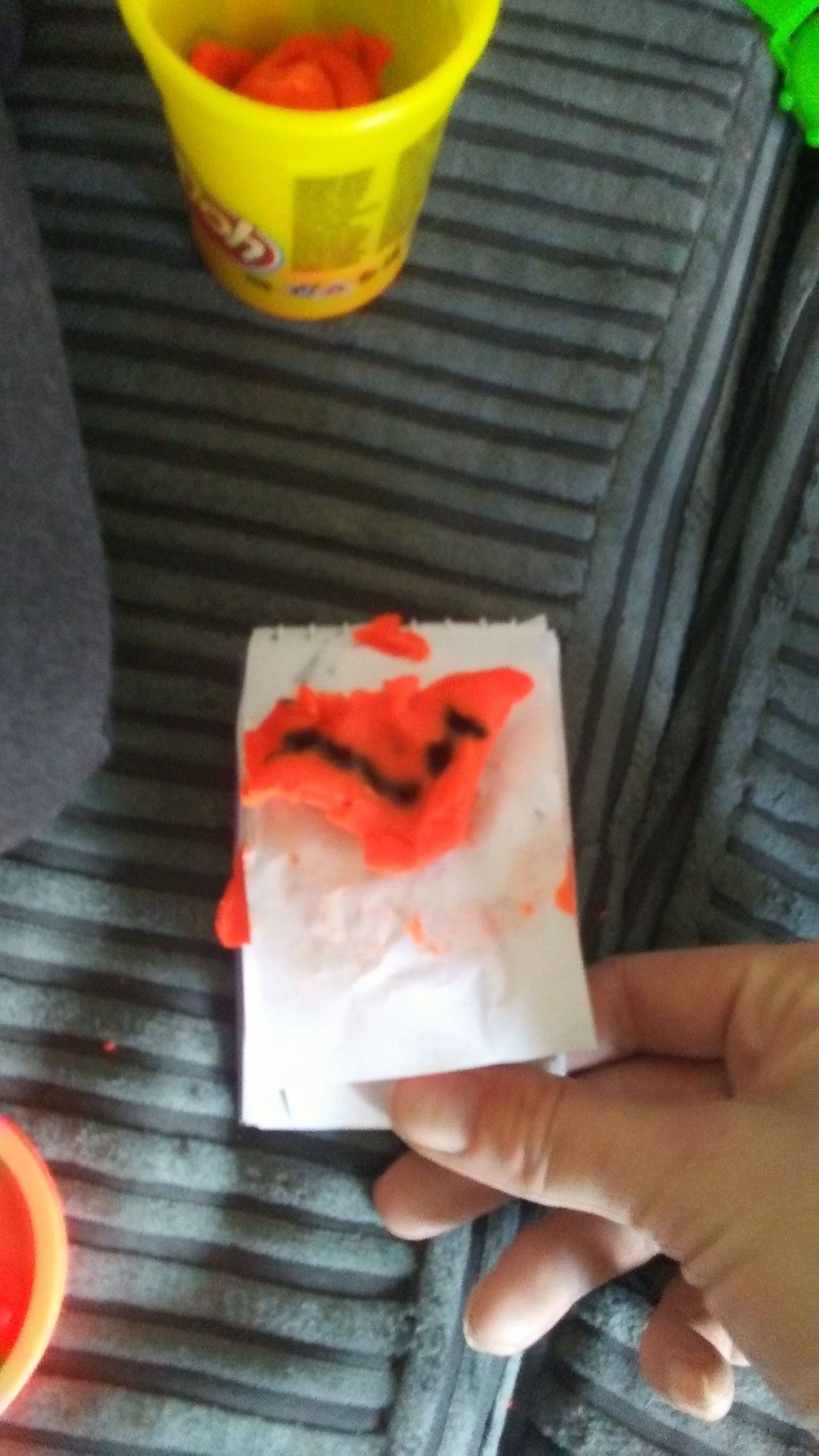
“I’ve got a good bond, good relationship with him. Young mums are not all they make us out to be. I don’t even let ‘em walk over my path. I let ‘em go. People like that, they just, they look down on you, they’re not worth it.
You get loads a’ people looking down on you. And I don’t know if it’s looking down, you know, cause I’m young or is it cause my son’s got race in him and I’m white. But I don’t know what it is but yeah I do get looks. But I just let it go over my ‘ead cause who are they, who are they to judge me?
Young mums can do it and it’s not all about these old, older ones who have more experience. And there shouldn’t be no fingers pointing or owt like that. We should be, all classed the same and they should treat us all the same. Cause we’re no different. Just cause of an age gap, they were young once and they were that age once.”
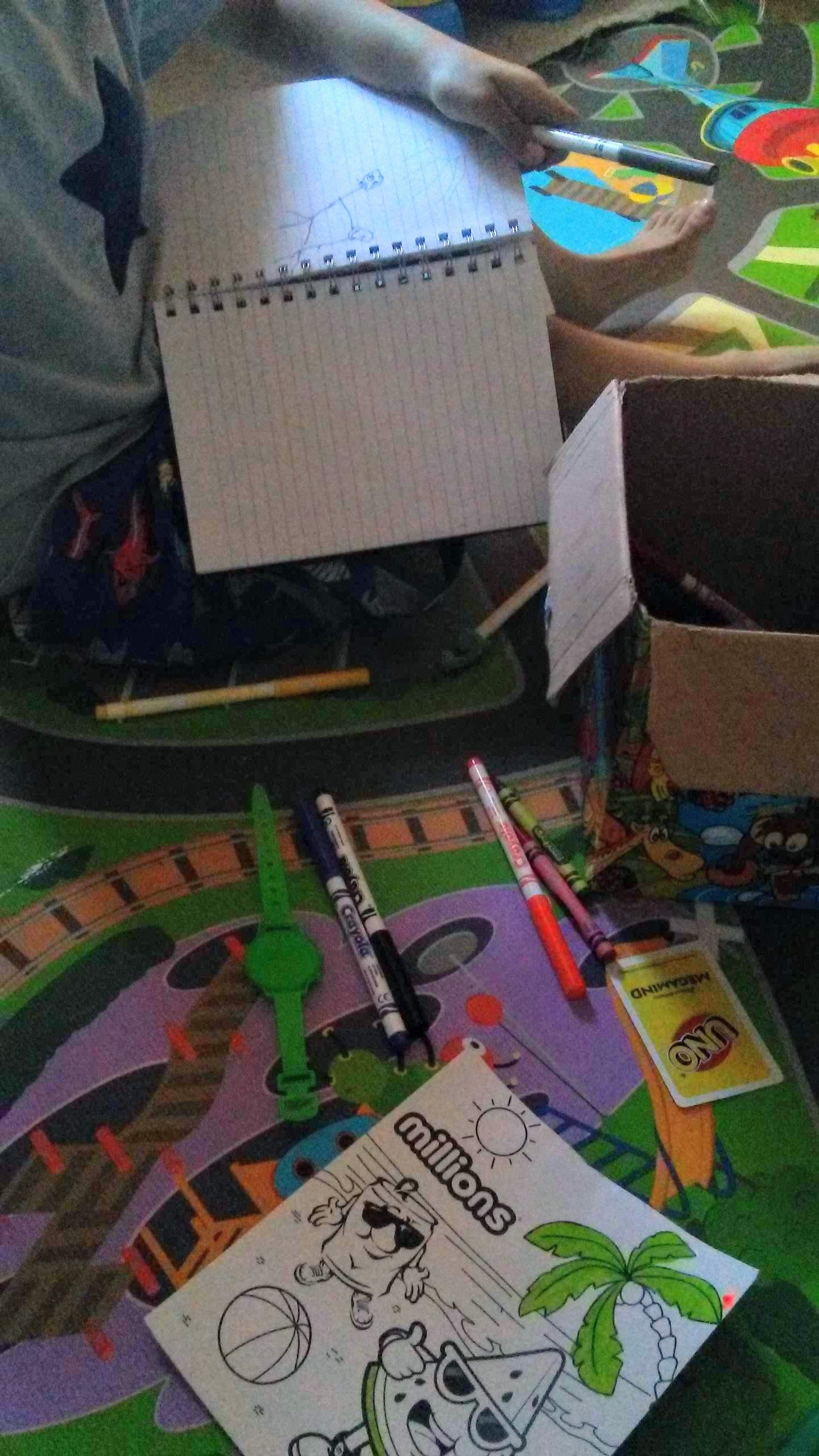
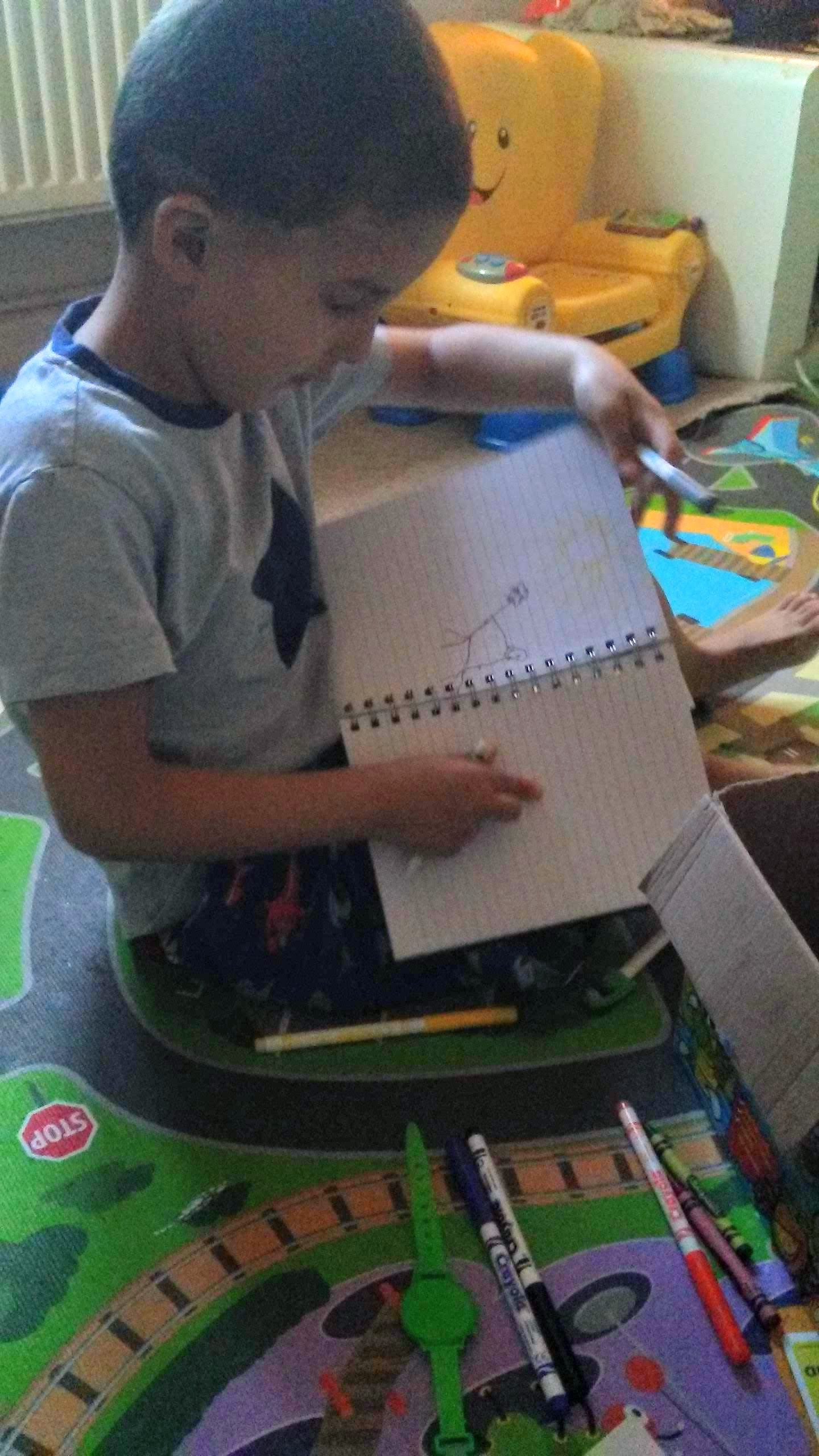
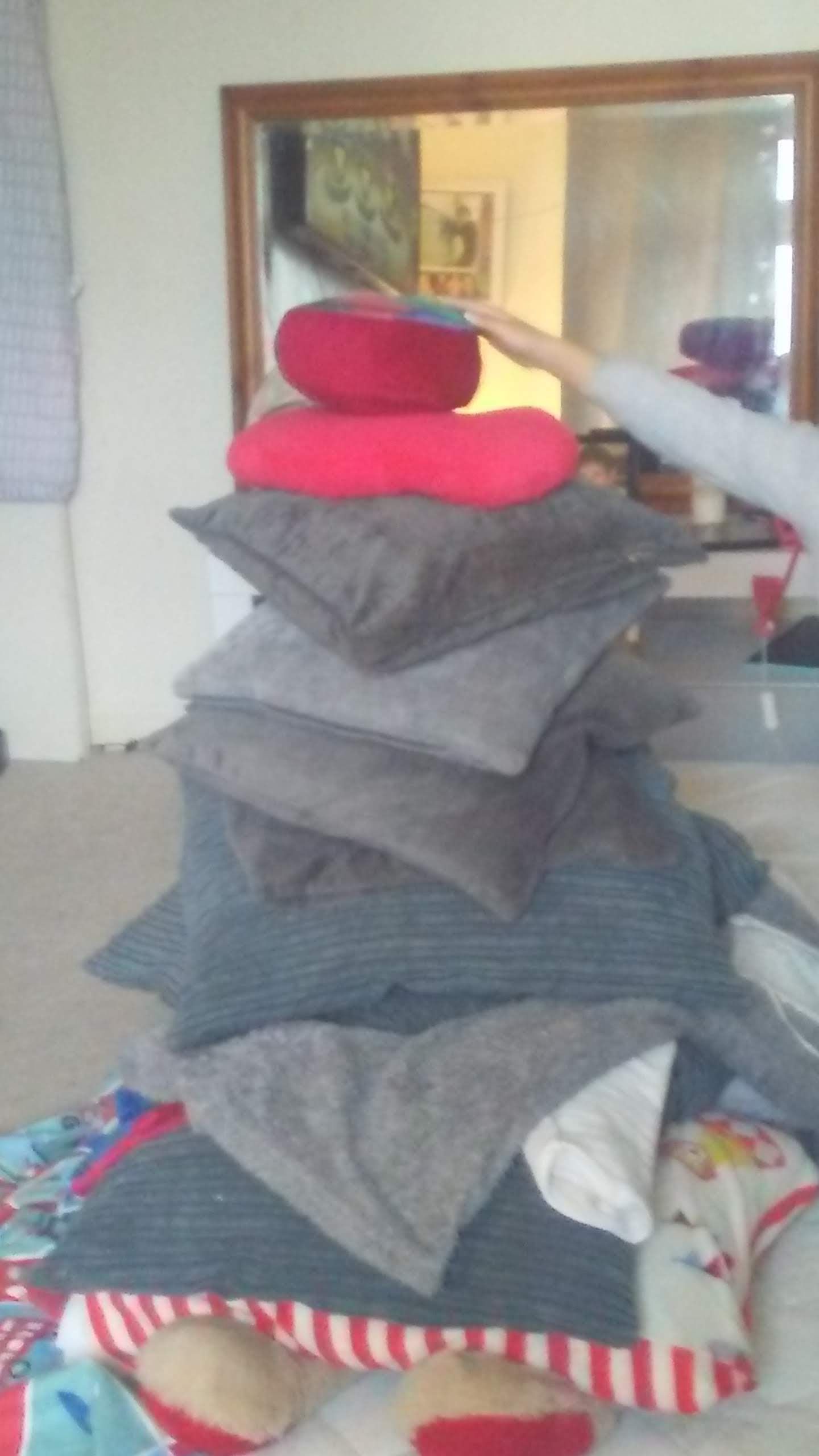
School support
“Well school have put it in place and obviously it’s a bit better but he’s six but he’s got a mind of a two and a half year old. So he is like learning difficulty side but school are putting stuff in place and getting him where he should be.
They help with anything, I just have to ring them. And normally it’s meant to be just to do with your kids innit and stuff but Miss Fish and everyone did a, I don’t know, they’re so caring. Even if they see me in t’ playground they’ll make sure I’m alright. And I’m like, ‘yeah I’m fine [laughs]. I’m alright’.
And if I’m confused about anything, like letters or anything like that, I’ll just ring up and just ask if they can explain or help me in any way. There’s loads a’ them that help me.”
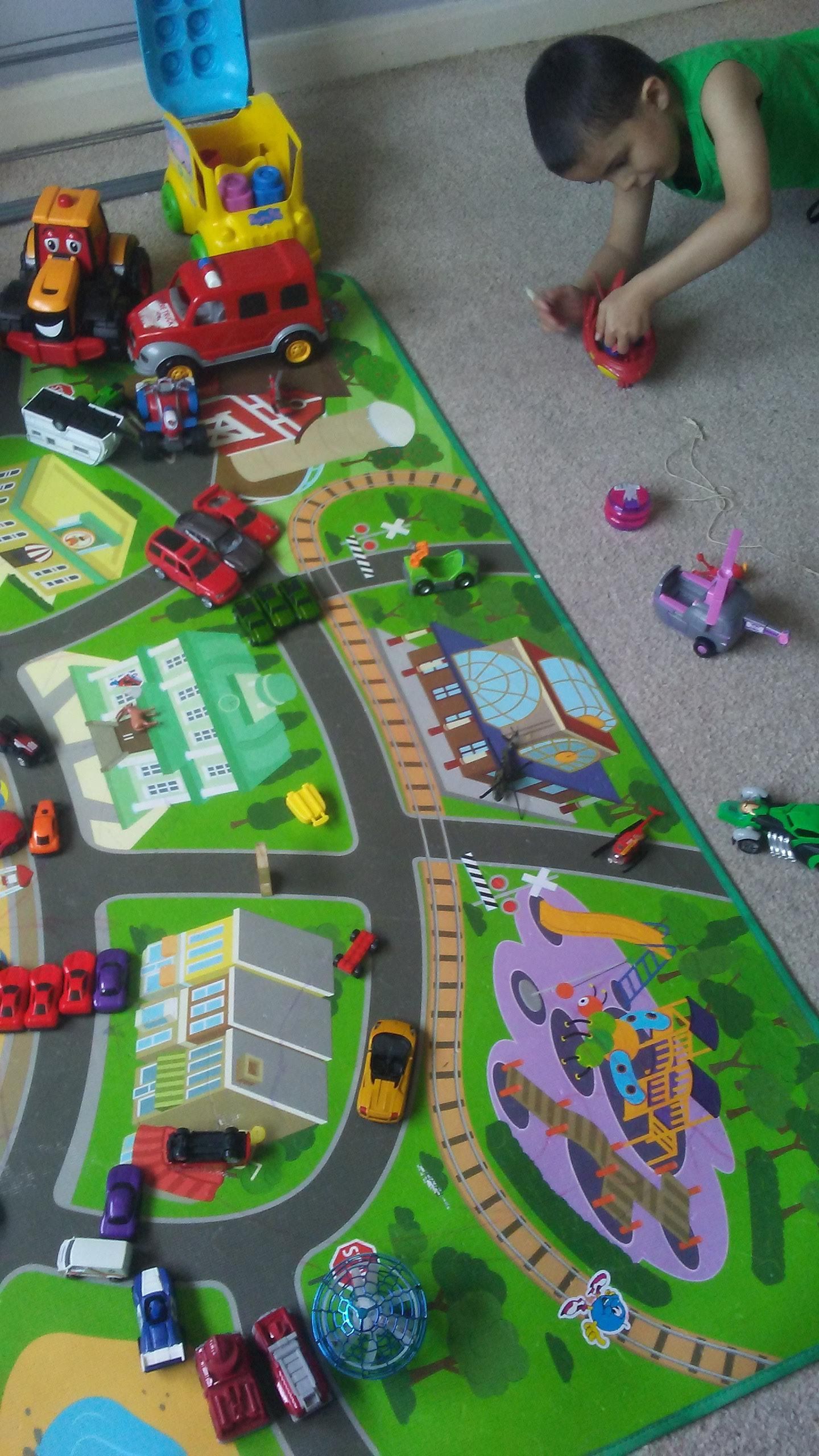
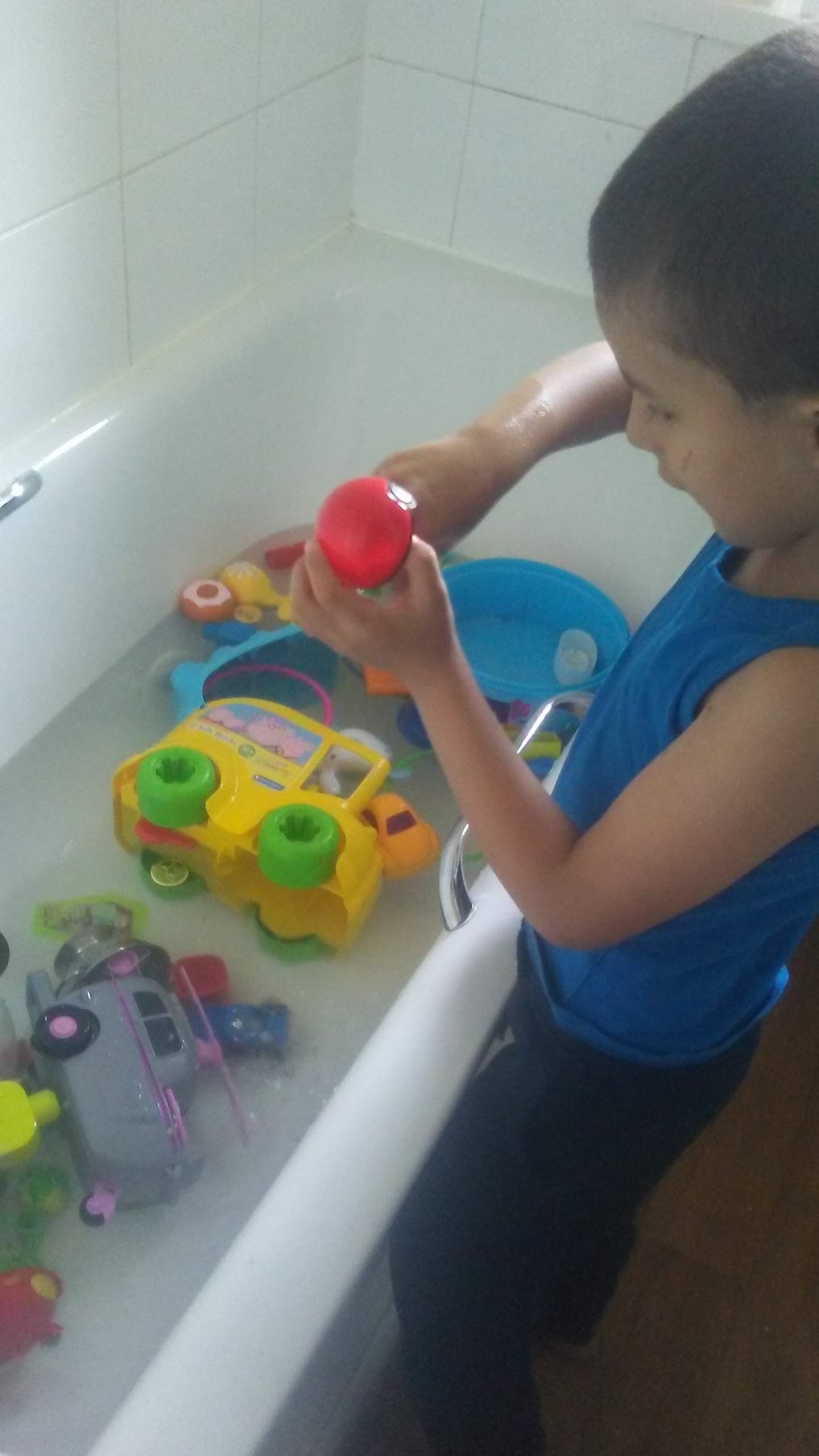
Playing with water
“And he likes to play with water. And I thought, cause he splashes it all over the place. My, my bathroom were flooded at the end of it but he had fun! He had fun and that’s what I seen as that he were having fun.
If he gets in that bath he won’t get out a’ that bath for two hours later or summat. he’ll shoot me with the water gun and stuff!”
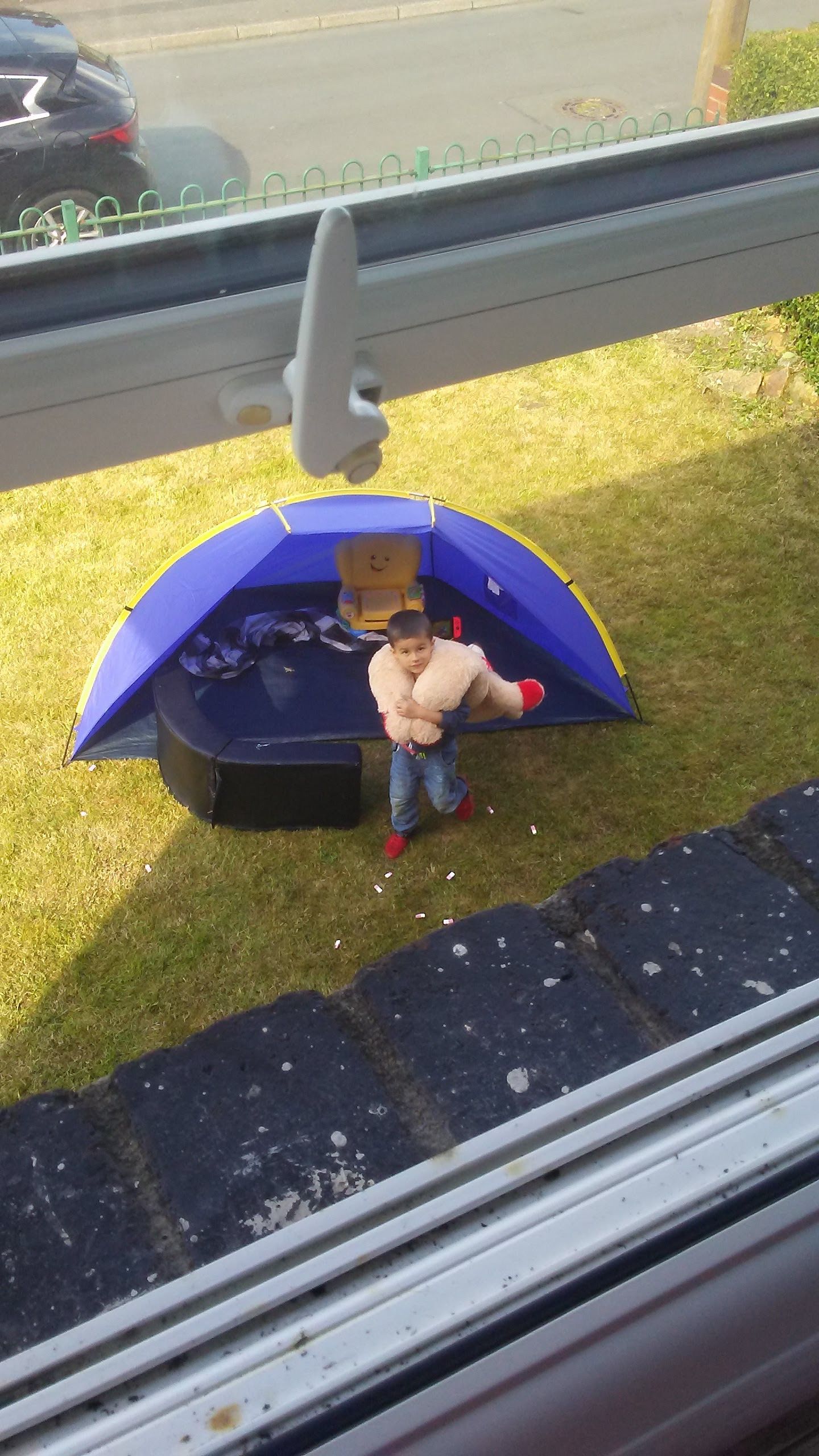
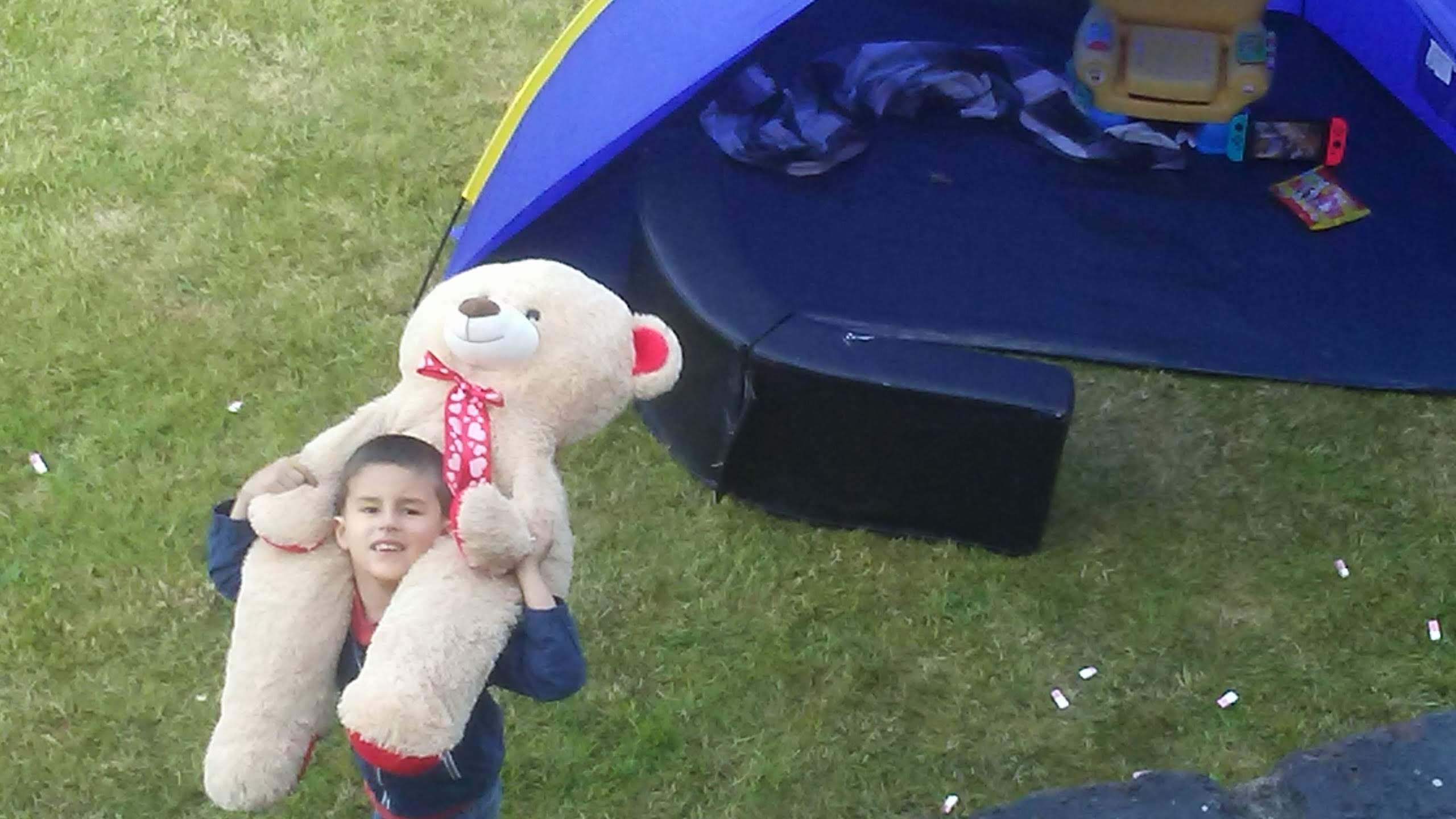
My son
“Seeing him smile makes me smile. It makes me happy. We do everything together when, he’s never not by my side unless he’s at school. He’s there with me all the time. He’s like my little shadow.
Oh he’s too energetic, crazy, happy. Bundle a’ joy and just loves life. It makes me proud when I see pictures like that. It just makes me think… as if I’m his mum. The cuddles and the love. It just melts my heart and seeing him happy.
I’d just like to wrap him up in cotton wool and keep him safe. I enjoy everything, doing everything with him. If he wants me to do it with him I’ll do it”
Becoming a mum
“It was scary cause I didn’t find out till 28 week. It weren’t planned or owt like that. But then when, obviously when he were here it just turned me life around.
I suffered, I suffered with mental health since I were 14. I only got put on to my tablets when I was 17. I’ve been on them ever since.
But I was in a bad way before I had my son. And then the minute I found out at 28 week it just…hit me differently. But if it weren’t for him I don’t know where I’d be, I really don’t. It’s him that changed me.”
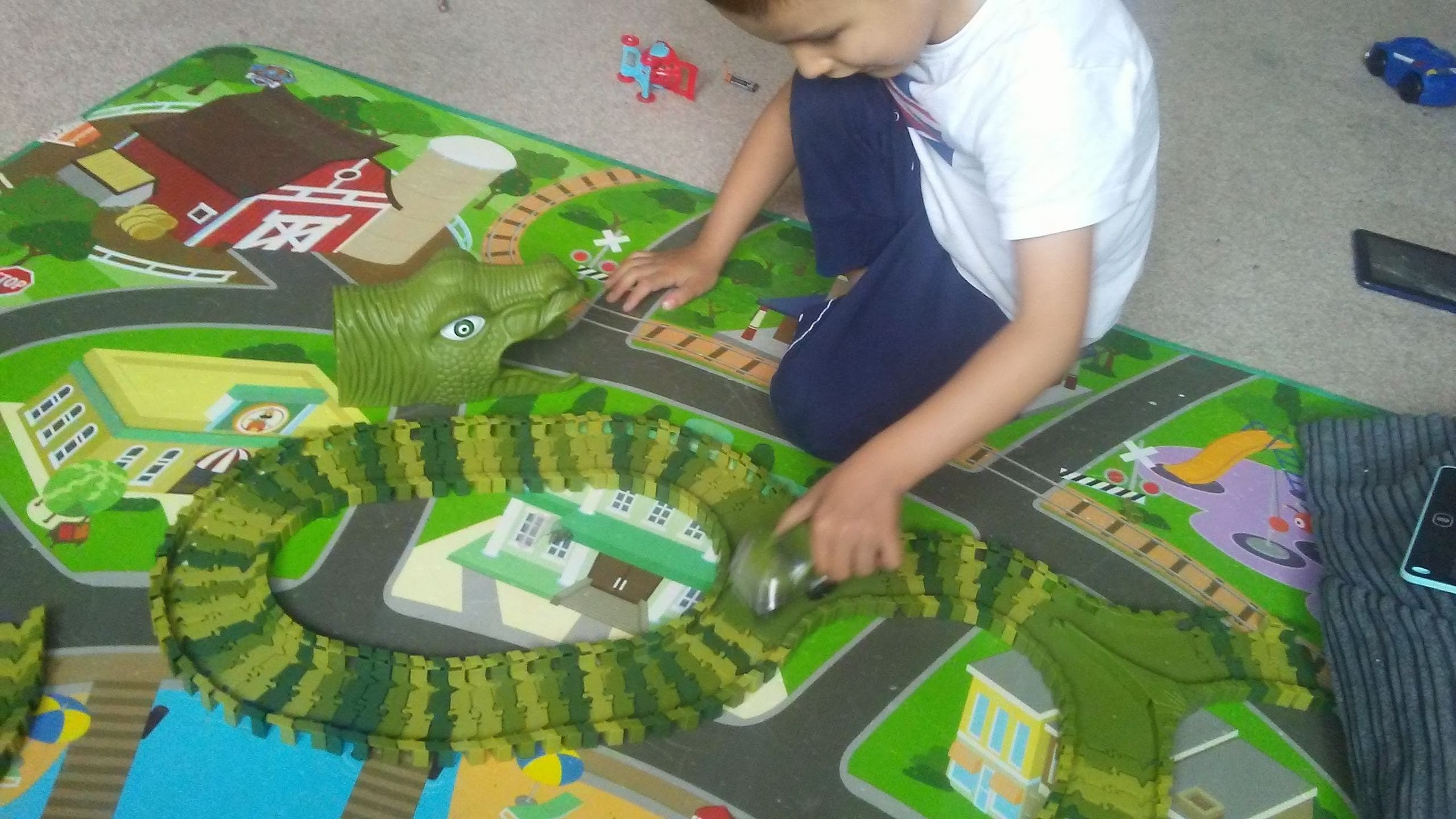
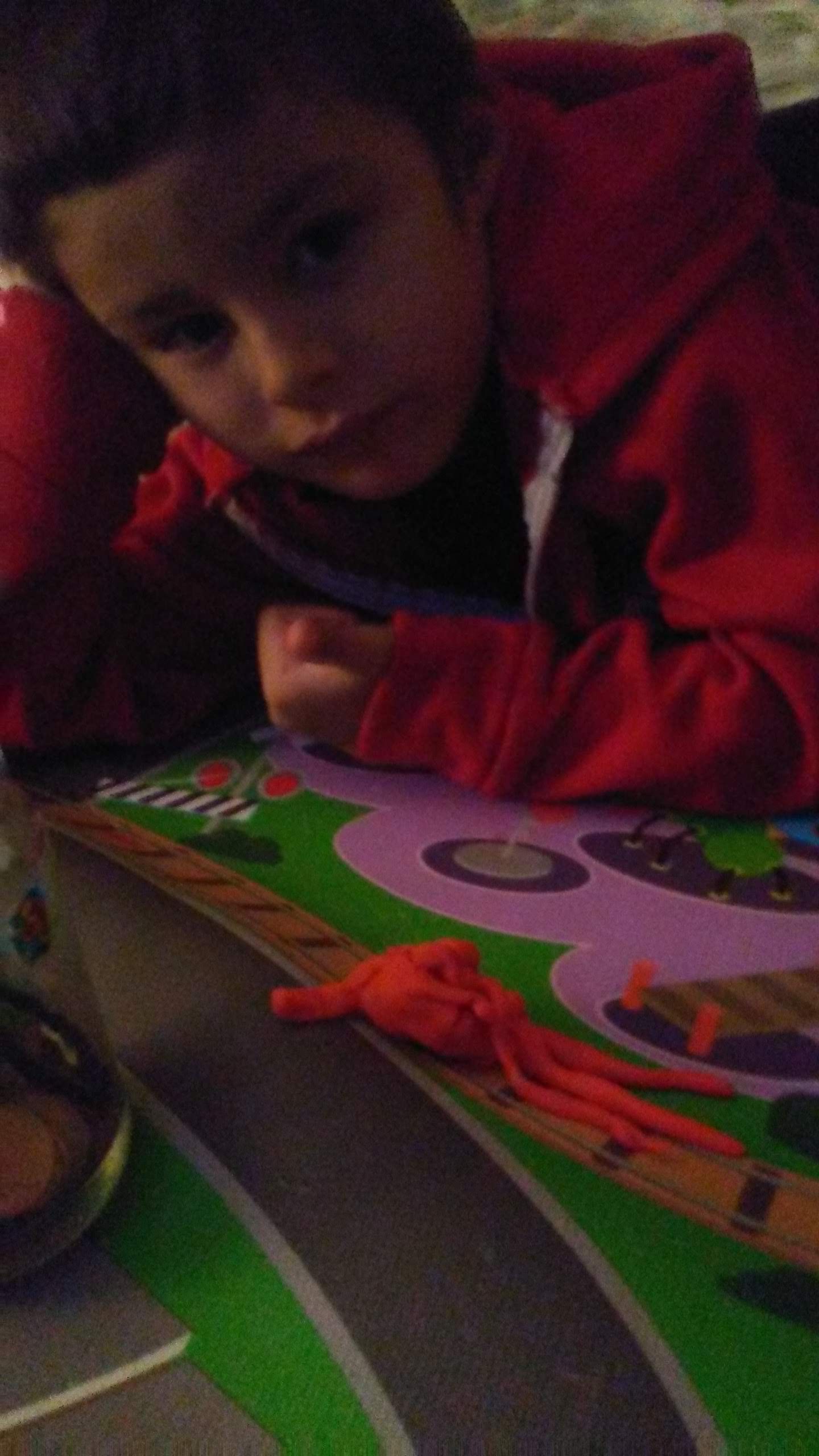
“He’s made an octopus out of his playdoh. He loves playing with stuff like that so he ended up making a octopus. So I thought, when he made it I were like, ‘that’s ace’. How have you learned that [laughs]? Cause I wouldn’t have thought a’ that.
He absolutely loves cars. He’s got one a’ them imaginations when you use your own fingers and stuff. t’s like he’ll use a teddy but he’ll use his fingers with teddy [laughs]. But I’ve got my teddies from being a baby myself and I’ve passed them on to Rayaan.
My living room is always full a’ toys. I’ve got a spare room that I call a toy room cause it’s full a’ toys. It’s his toy room and then he’s got his own bedroom. So it’s like, and there’s toys in there too. So it’s just non stop toys.”
What other support would help?
“There could be support in like helping us young mums getting us in the right direction of where we want to be. Or like in, if we want, where we wanna be, go to work or summat and like getting pointed in the right direction of that sense. They should, they should be helping young mums and young kids with housing and stuff.
With me universal credits and I get disability for Rayaan. But it’s still, it’s still a struggle, it really is. I get community kitchen foodbank people. The school rang them for me.”
Challenges of being a lone-mother
"It can be hard but what can you do, what else can you do? He’s my son, he’s only got me. So I have to do it. Cause if I don’t do it, who’s gonna do it really?
Like if I’m, not well, like I have been for the past two week and I’ve had to still get up and do everything to bring him to school and get, everything. Still doing everything till late on cause it, sometimes he just won’t sleep and he’s just so hyper. But it’s got to, I’ve got to do it.”
Sam’s diary
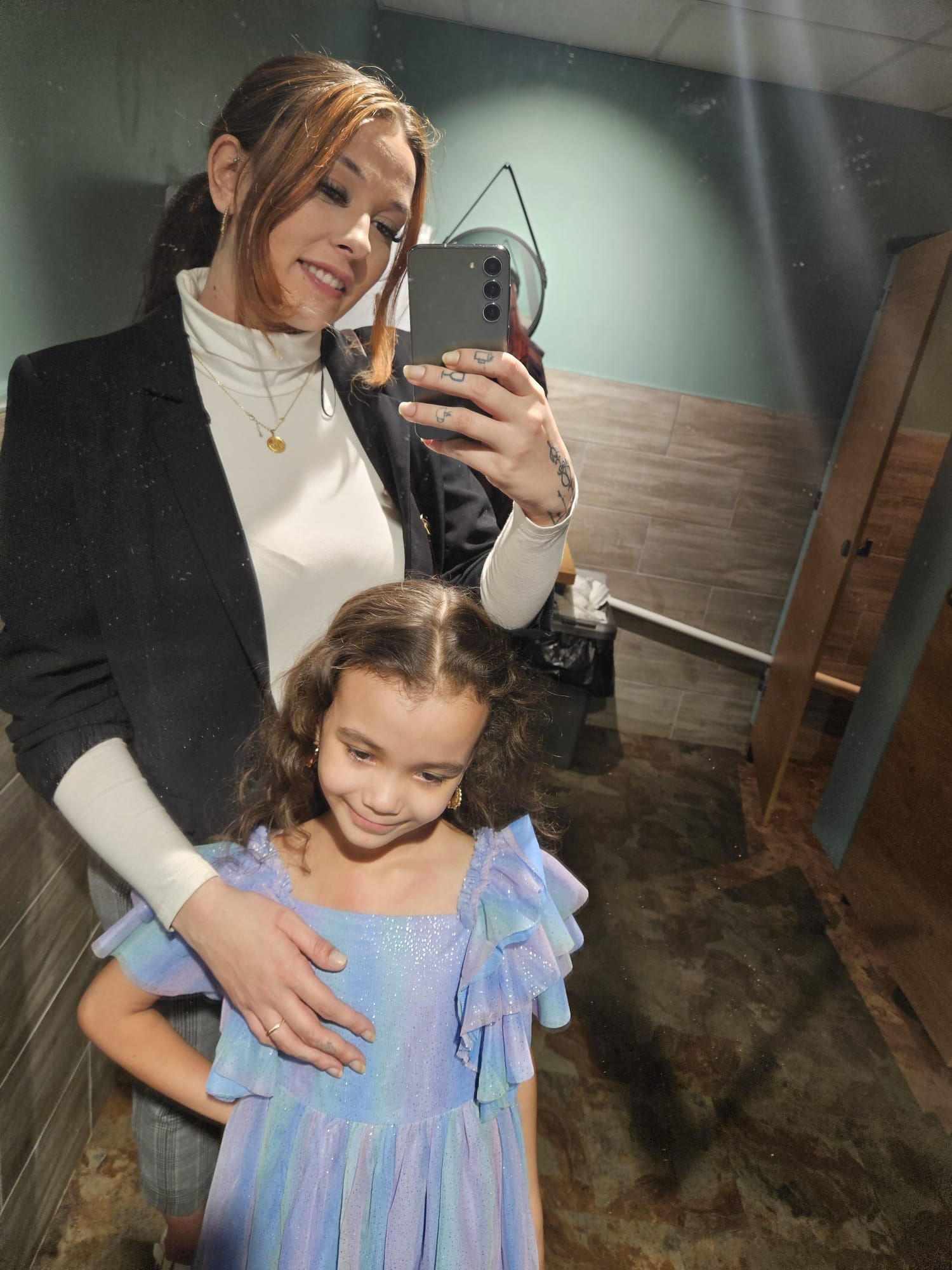
Sam, Nathan, Georgia, Cody, Logan + Hannah
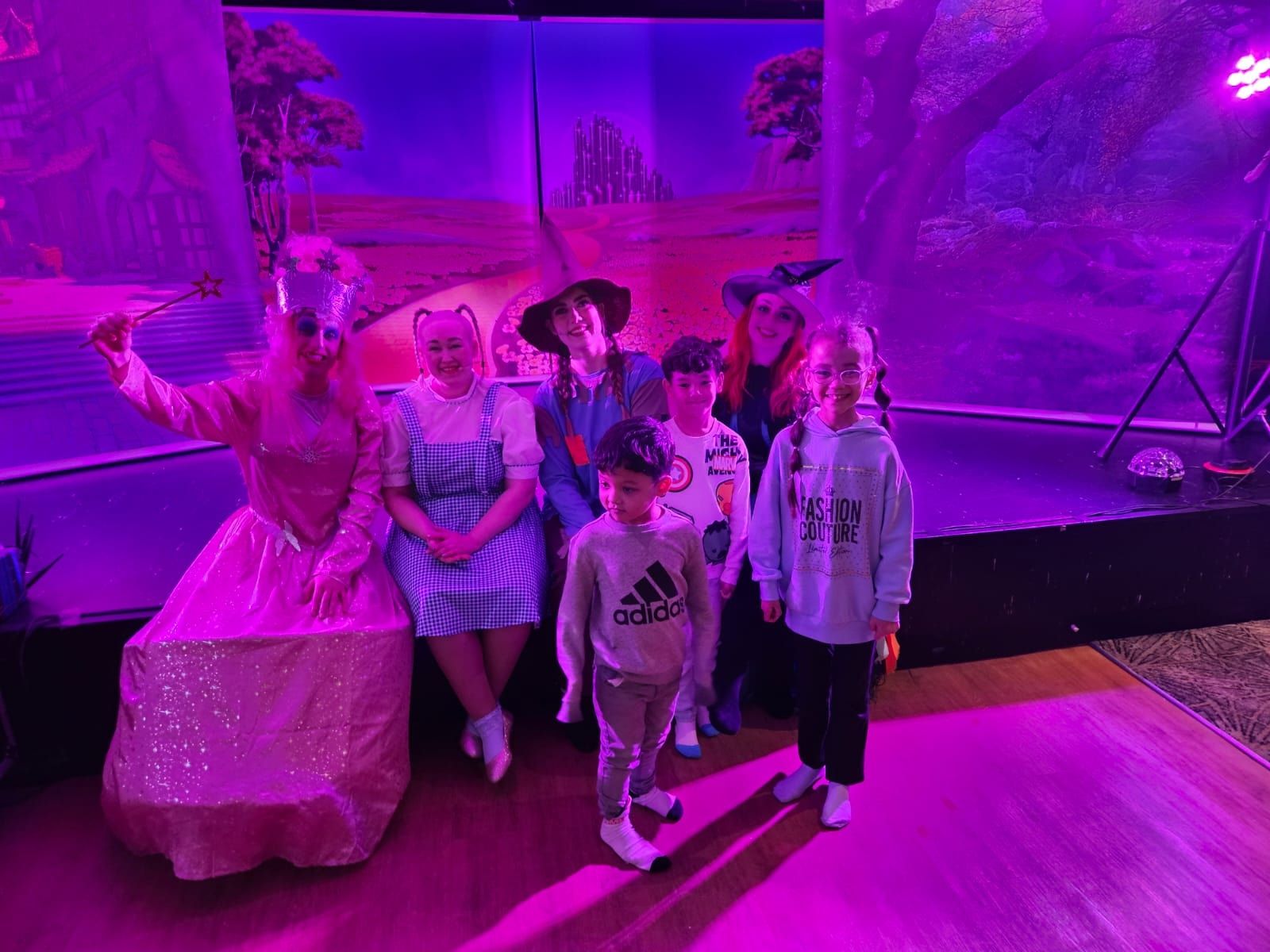
Sam was 22 when she had twins Georgia and Cody, who are now 7. Sam and her partner Nathan also have Logan who is 5 and Hannah who is 6 months old. They all live together with their hamster. With 4 children, Sam keeps to routines and makes lots of time for fun together. They especially enjoy going to majorettes and doing art. Sam gets lots of support from her mum.
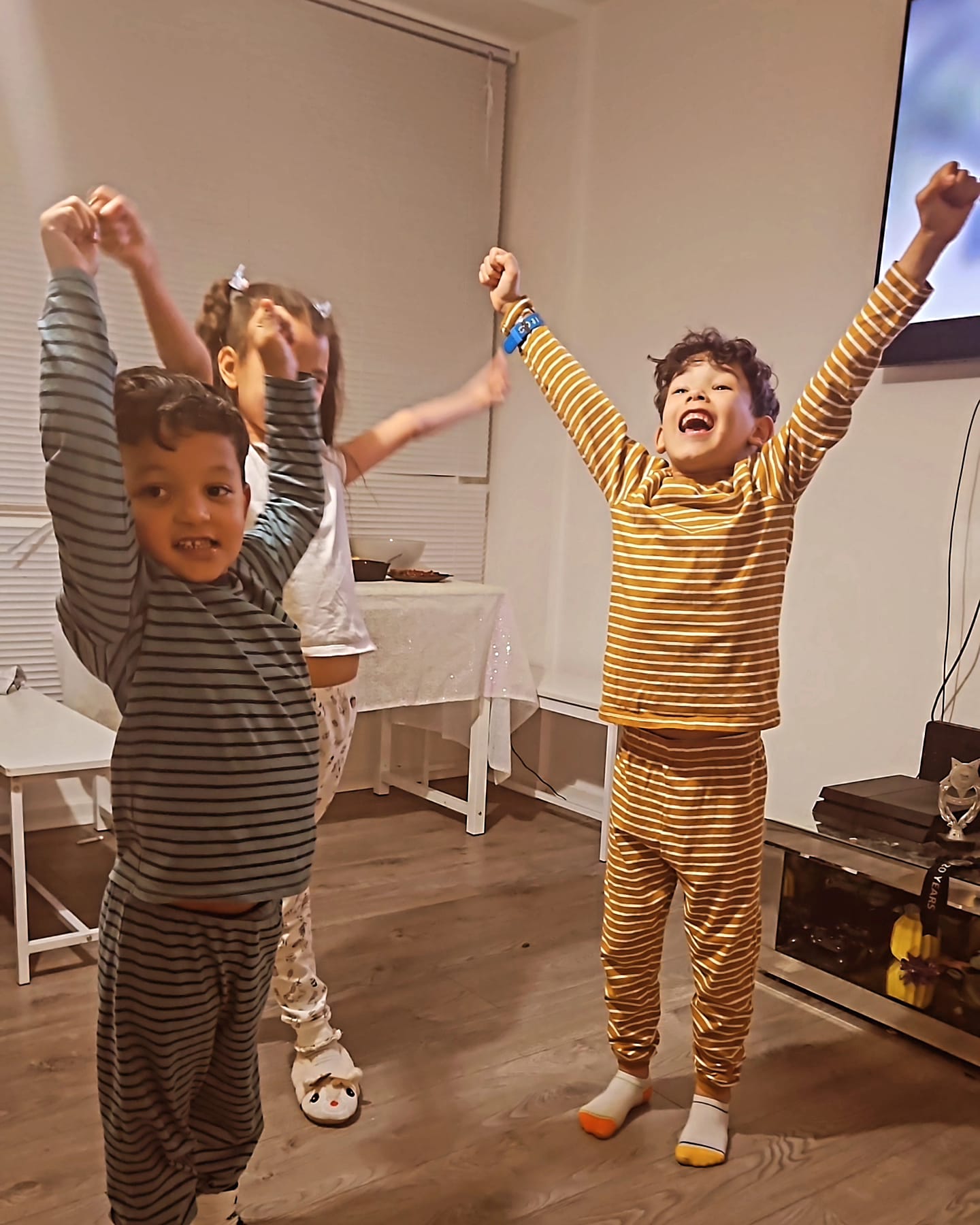
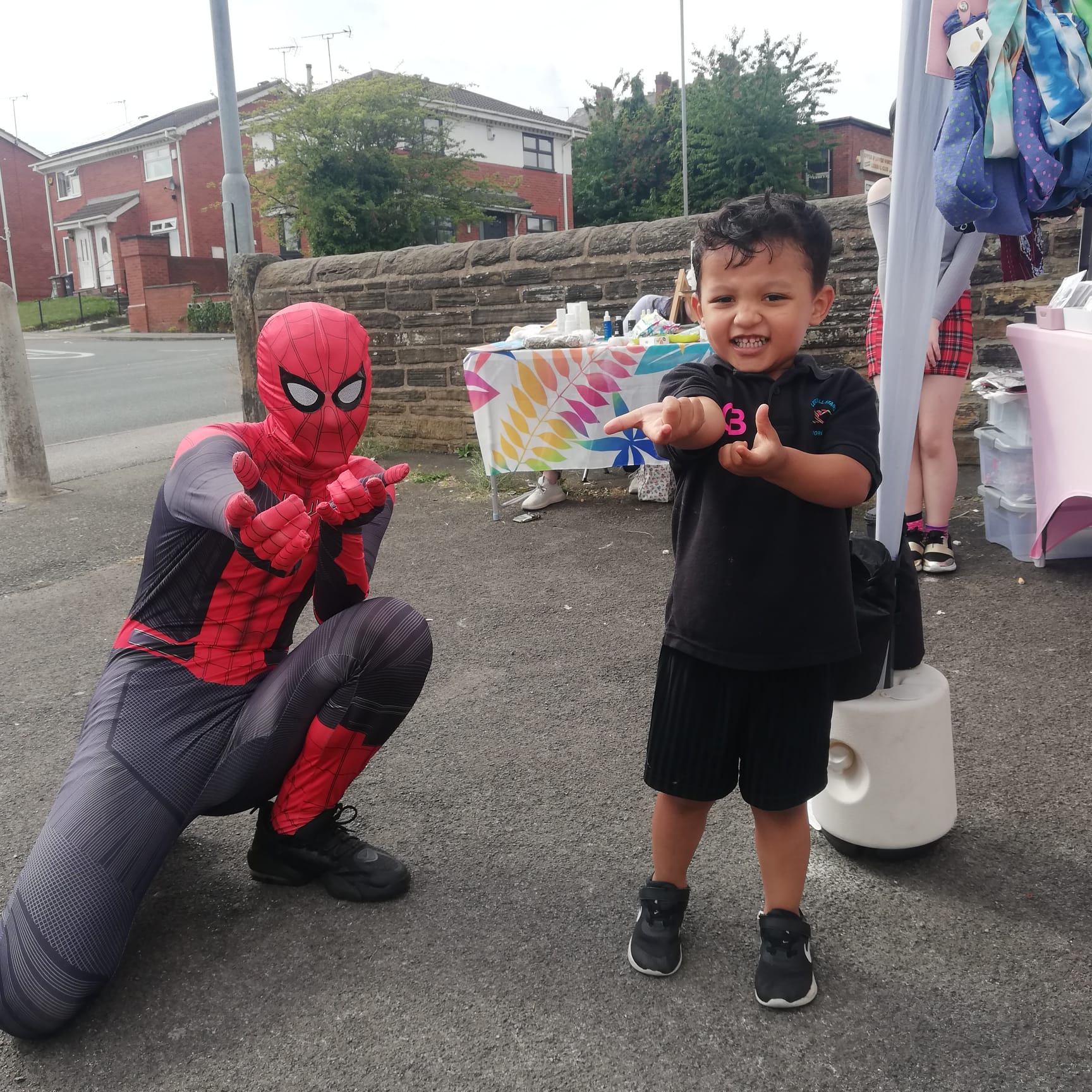

What do you love about your mum?
Georgina: I like when she be’s kind to us Cody: She always does Georgina: She’s the best mummy in the whole world Cody: She’s caring and helpful and kind Sam: You’re gonna make me cry [laughs] Logan: I like when you are making dinner! [all laugh]
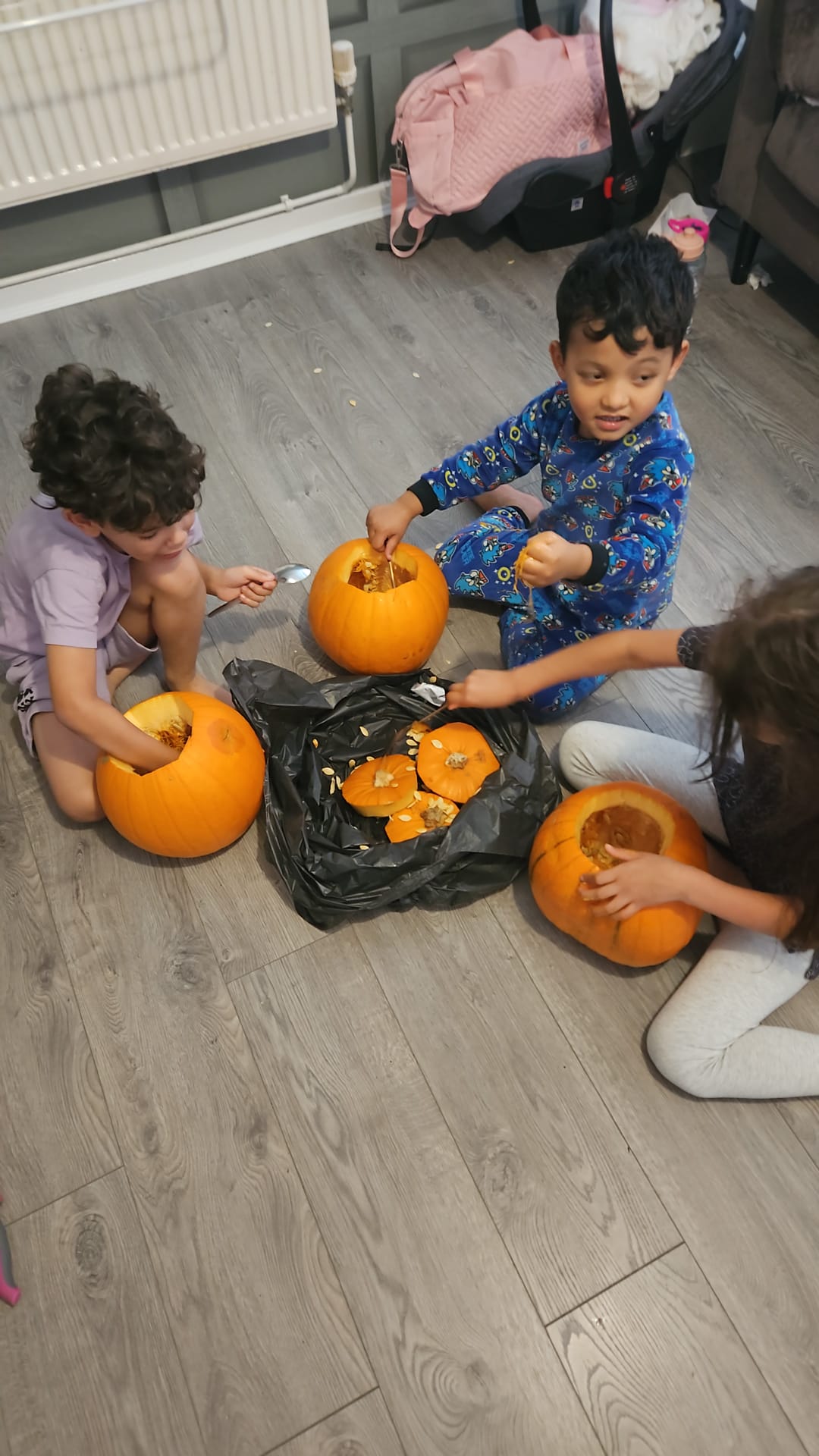
Becoming a young mum
Sam: “I’d just turned 22 when the twins were born. They were born ten weeks early so it was a bit of a shock. And I became a single parent, I were on my own. I had a really good routine with them and I were working like forty hours a week as well to bring them up. And then I met Logan’s dad and Logan appeared! And then Hannah appeared. I had a better routine with them because obviously the set routine with the twins. It was a shock cause it was, it were their dad that wanted children and I was ready for children but obviously with all the hours that I do at work and I was like, ‘how, how am I gonna do this?’ But I managed to sort it out and work it around my children. But yeah I was a bit scared especially when I found out it was twins. But I planned ahead. So I was like oh if I do one feed at like five o’clock and then the next feed for the other baby can be half past five’”
Being a ‘young’ mum
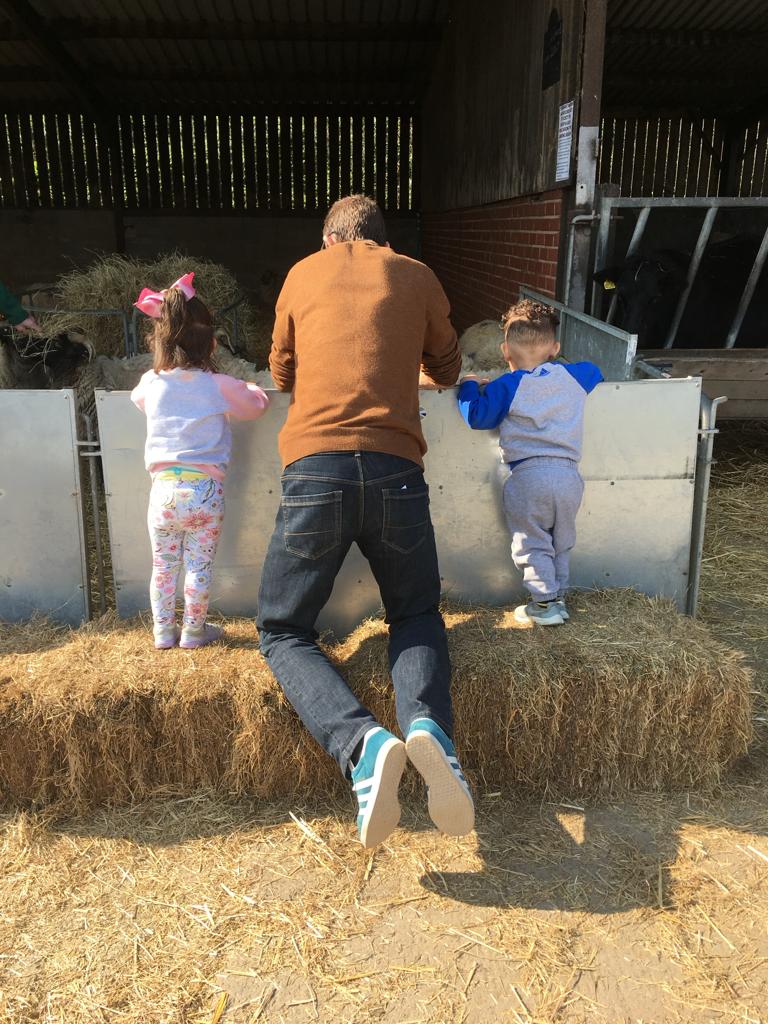
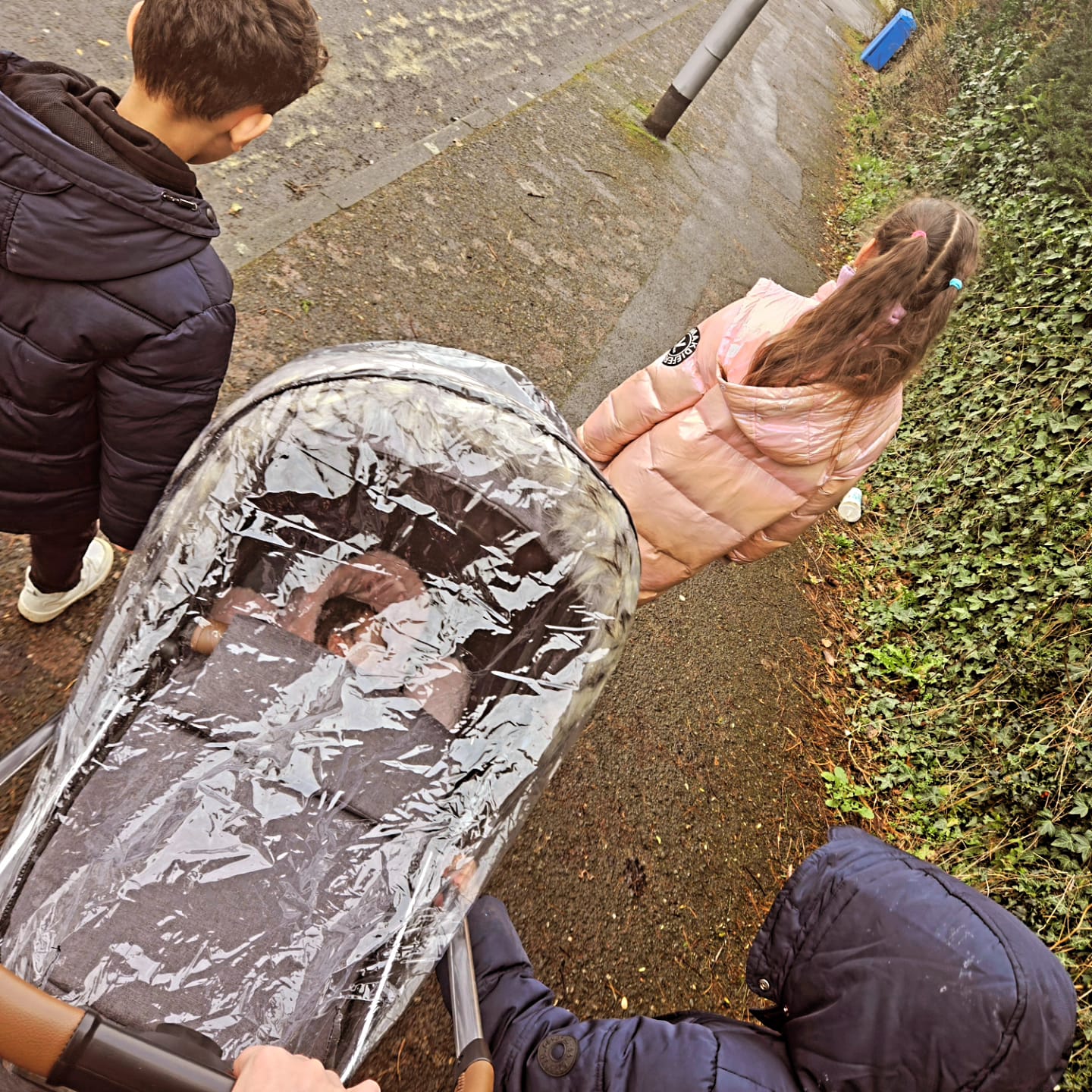
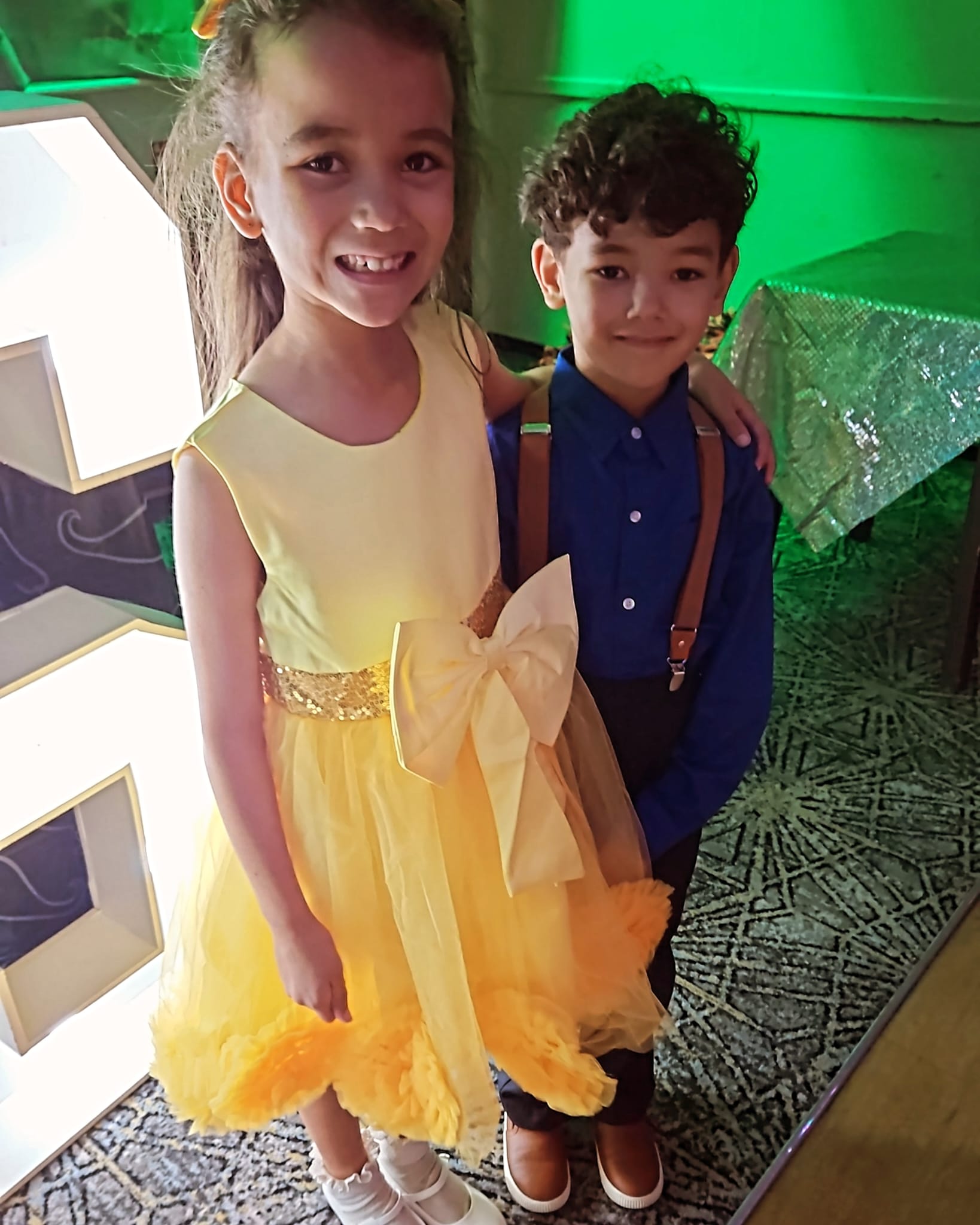
Sam: I loved being a young mum. To be honest half a’ the time I think I’m forgetting that I’m the mother and not the sibling! Cause I’m a bit like these are, very open and energetic and we like to wind each other up… they think it’s fun Linzi: Do you feel like your mum’s a young mum? Cody: No. Georgina: Not that much. Sam: Yous are cheeky! Cody: She’s only 29. Sam: [laughs] Don’t tell people my age!

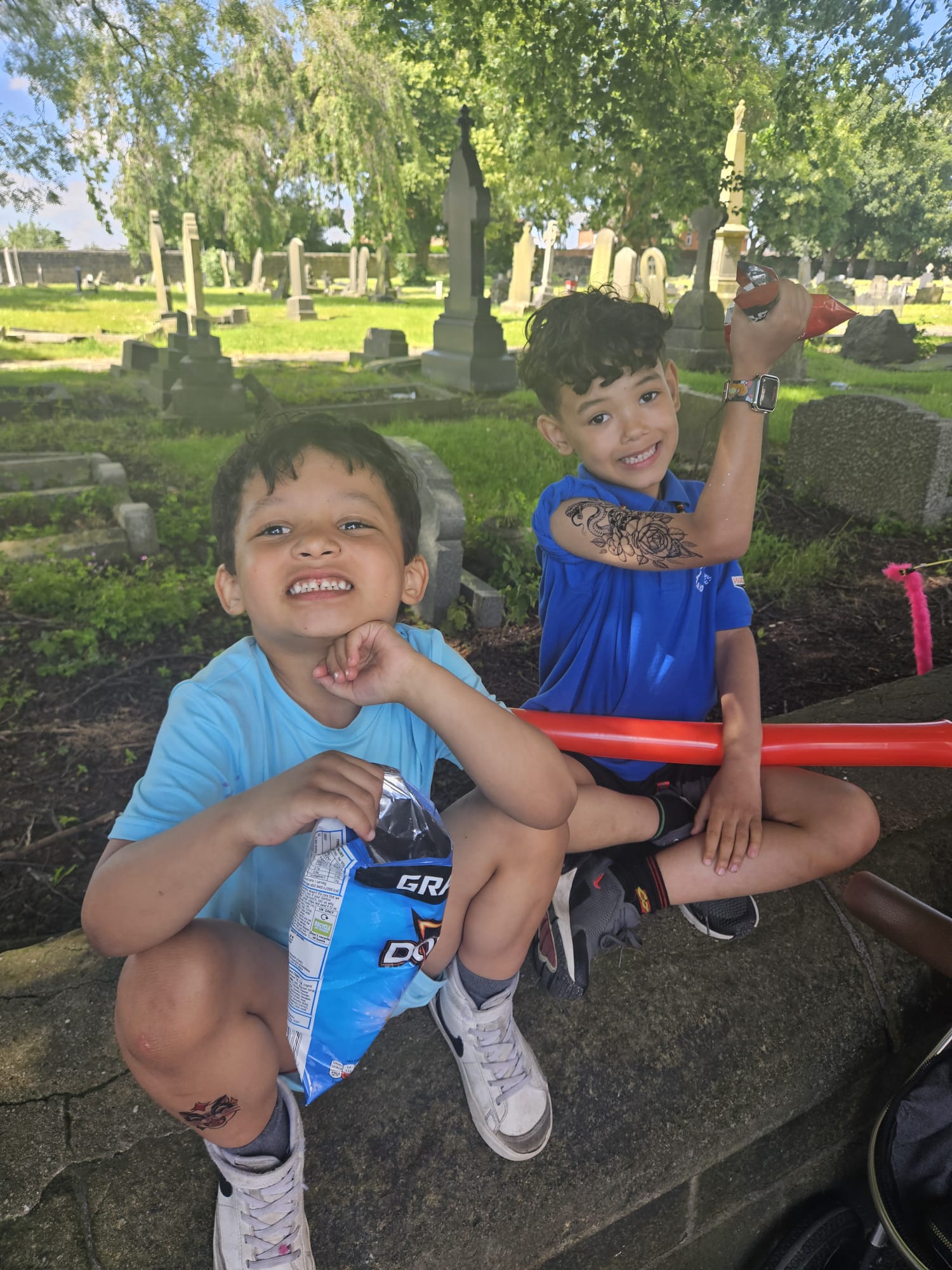
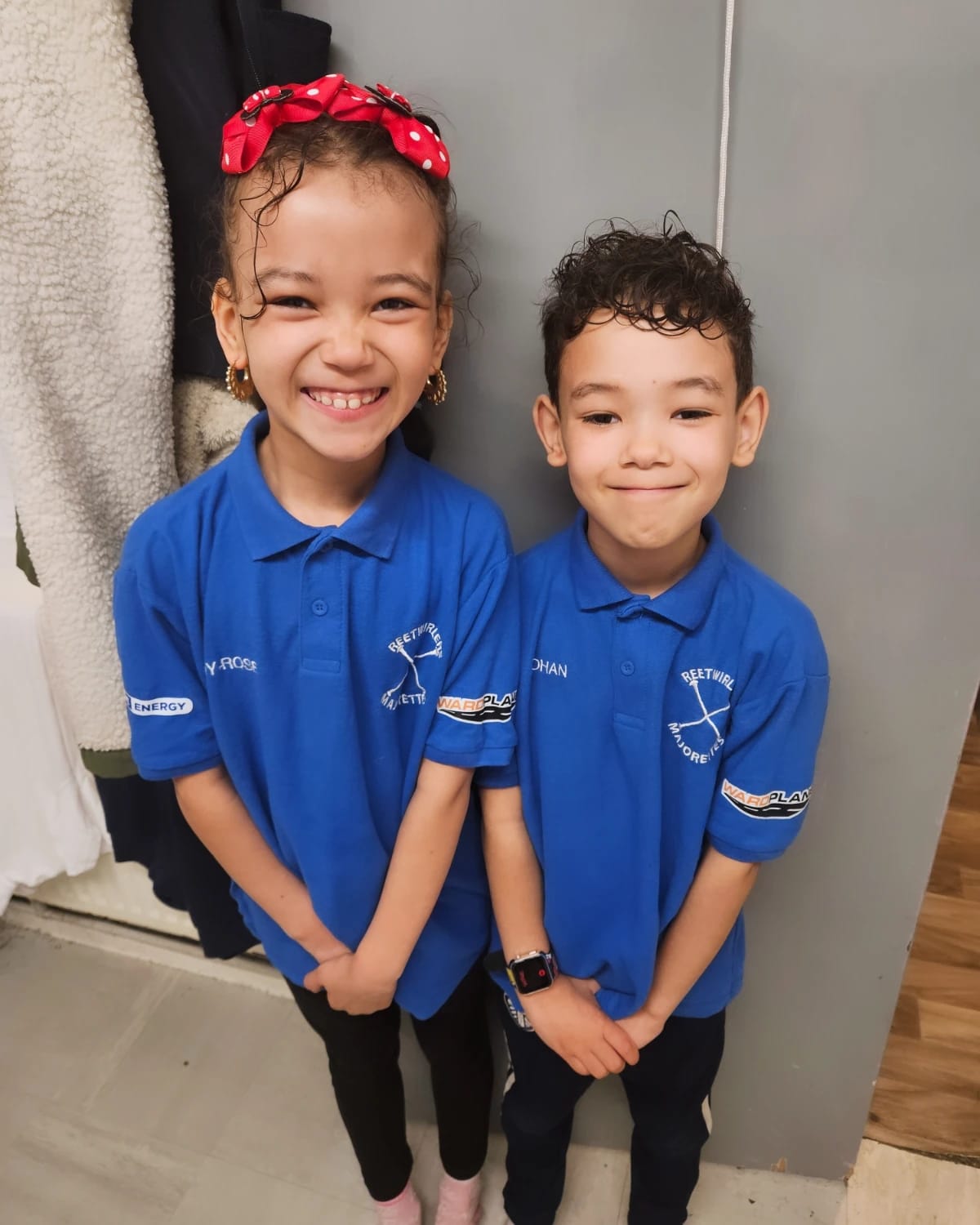
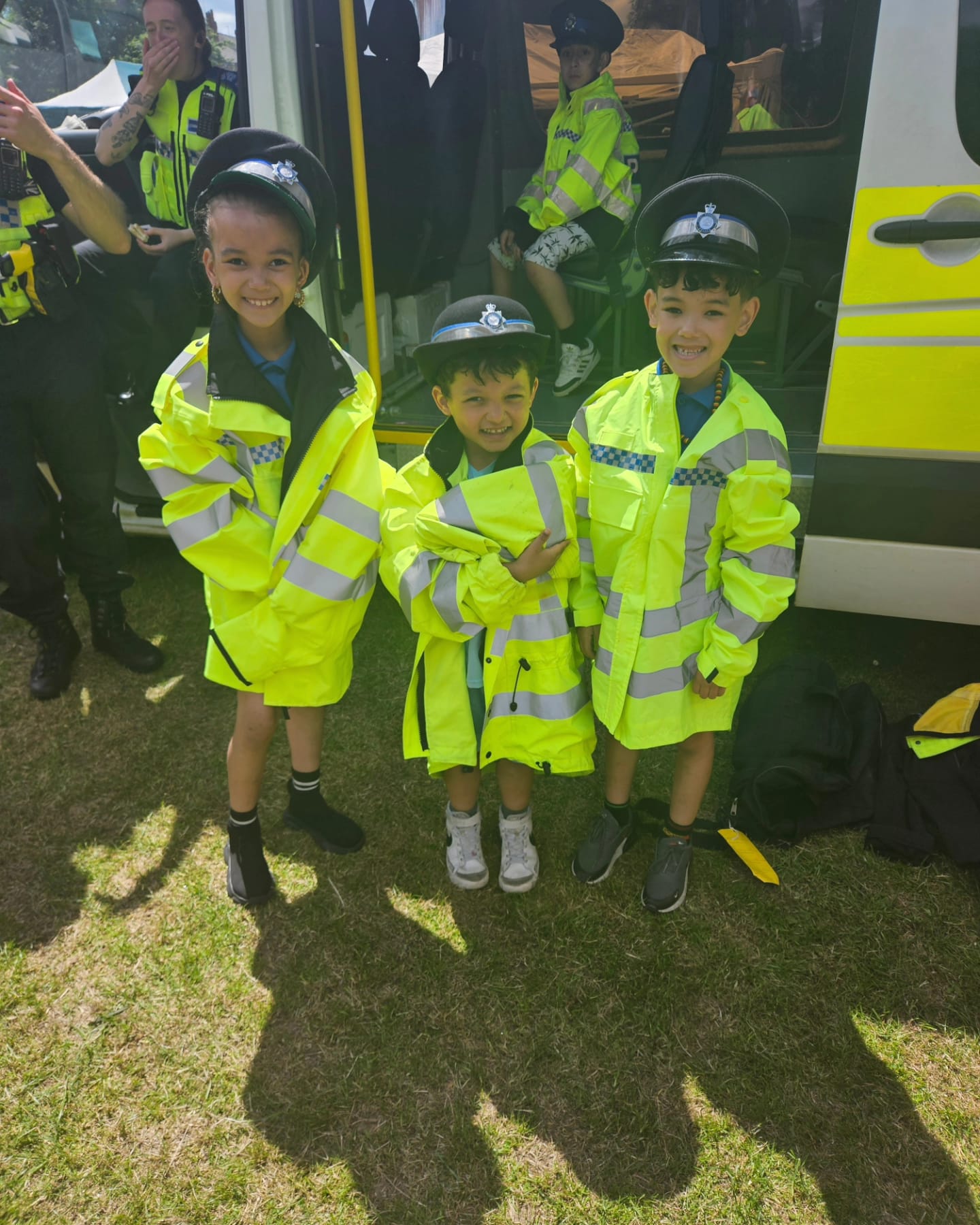
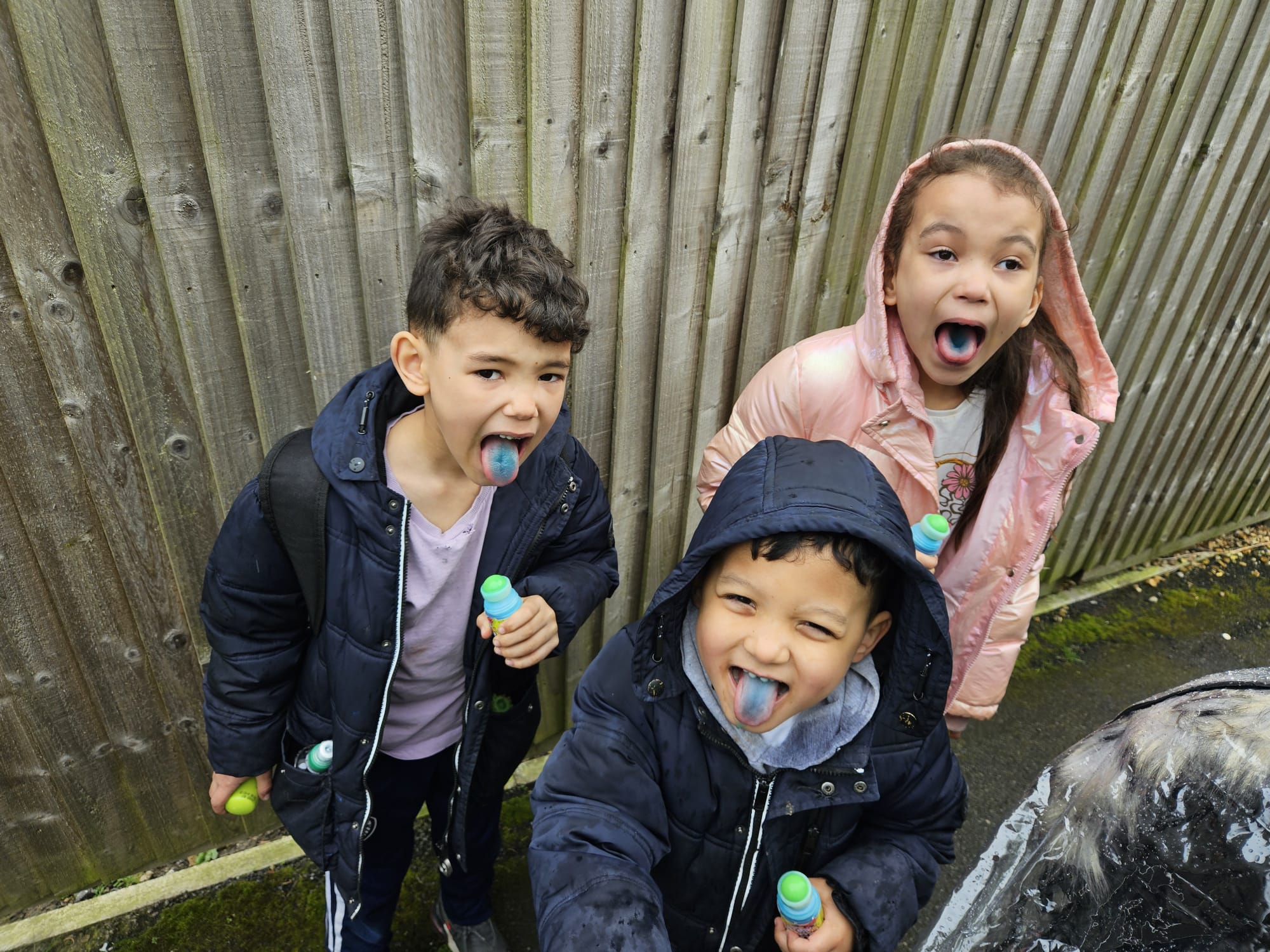
Family time
Sam: “We like to do a lot of fun at home. So we do a lot of artistic things and I plan that like straight after school. Or we go to clubs. We do dancing and stuff like that and then sometimes if we’ve got clubs I pre-make food whilst they’re at school. So I’ll do the meals in like the lunchboxes and we take them with us. And as soon as we get home they can have a bath, a shower and then bed [laughs]. if it’s like a Friday, Saturday we like to have movie nights as family. And obviously this weekend it’s been football nights so we watch football cause that were on a bit early. If it’s no school we like to go out and do stuff through t’day so there’s still that busyness through the day. So they know that when we get home they’ve then set times. So it’s tea, bath, bed or tea, bath and then relaxing to watch like family films and then bed. And I’ve always done that from the twins being born and they always had a set bedtime”.
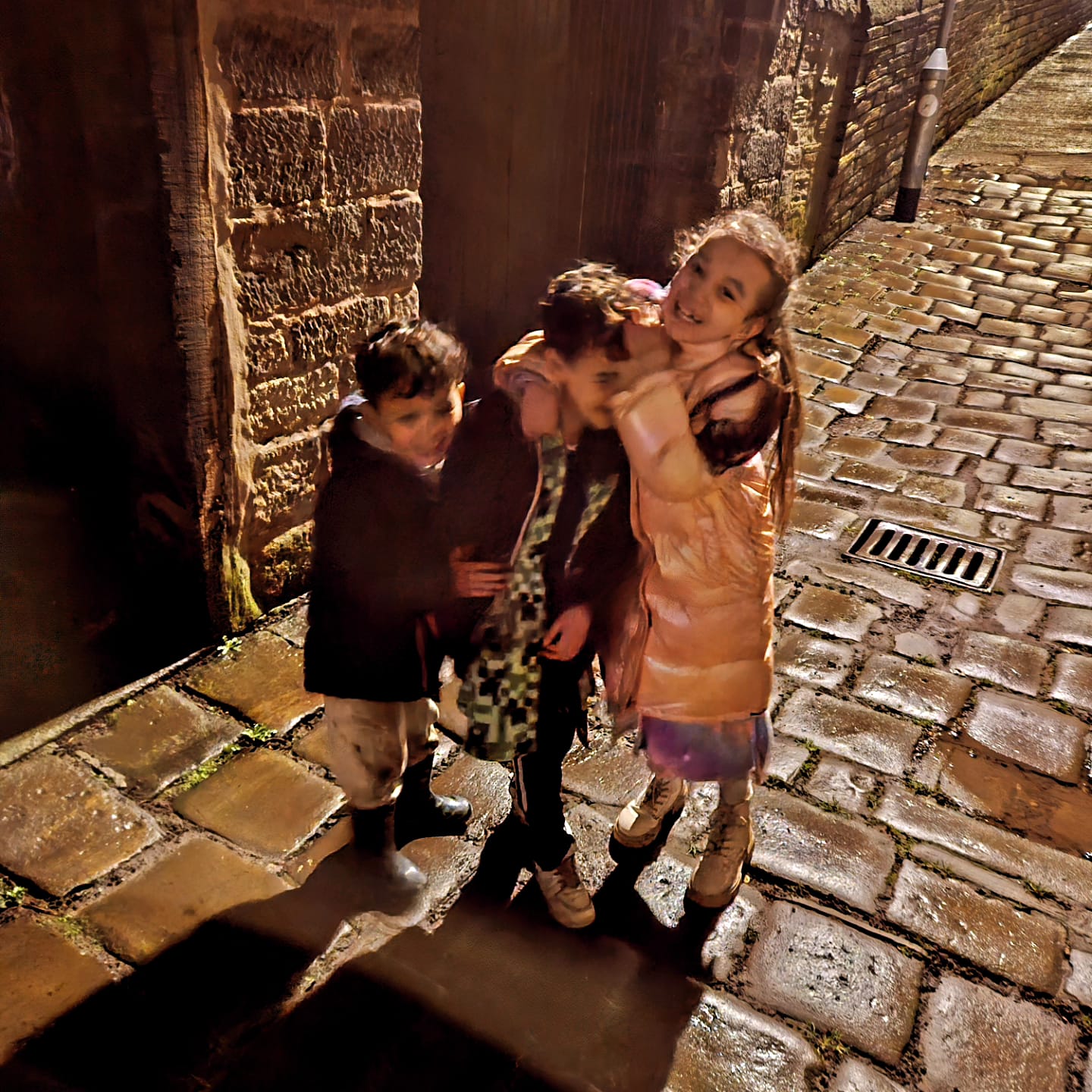
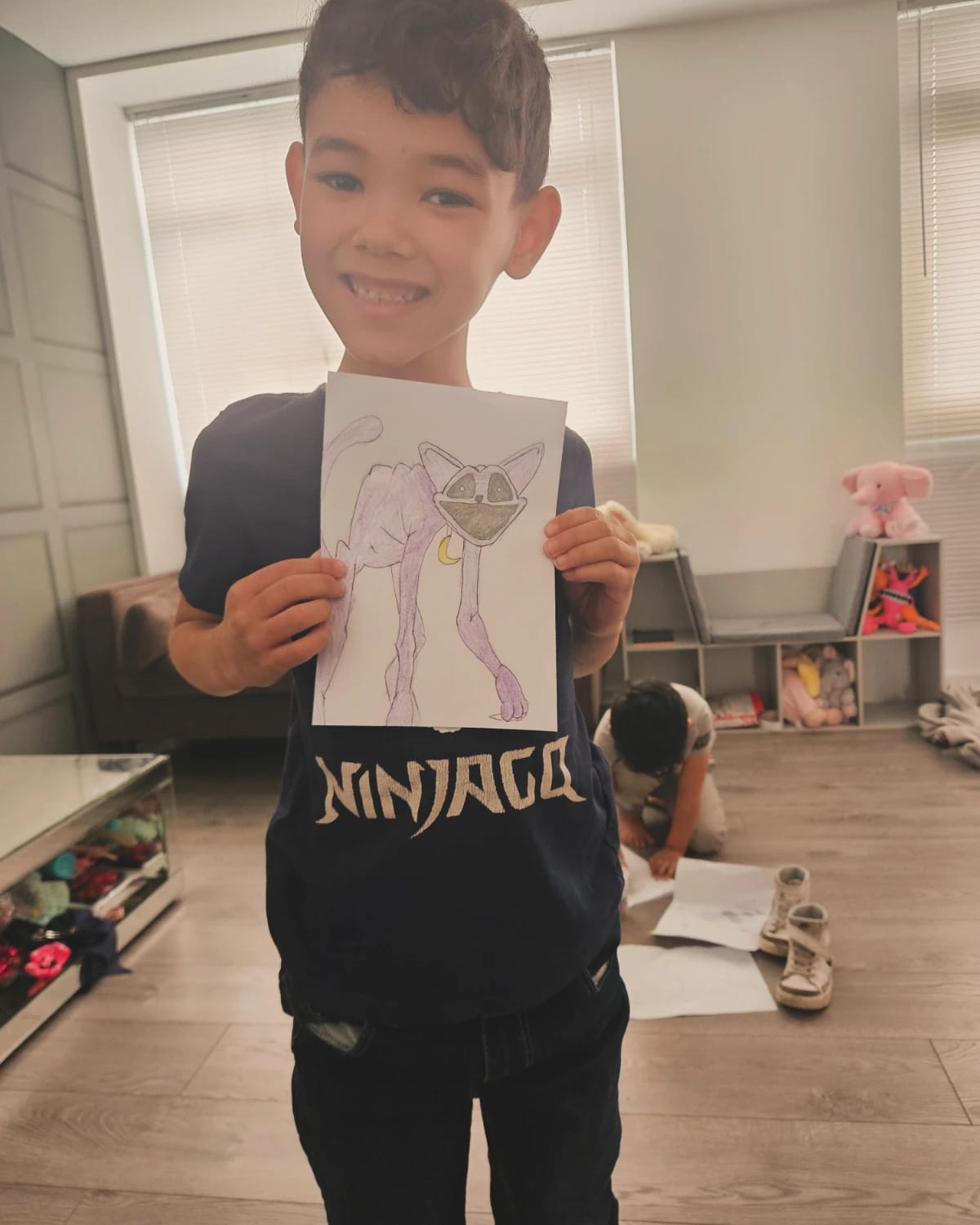
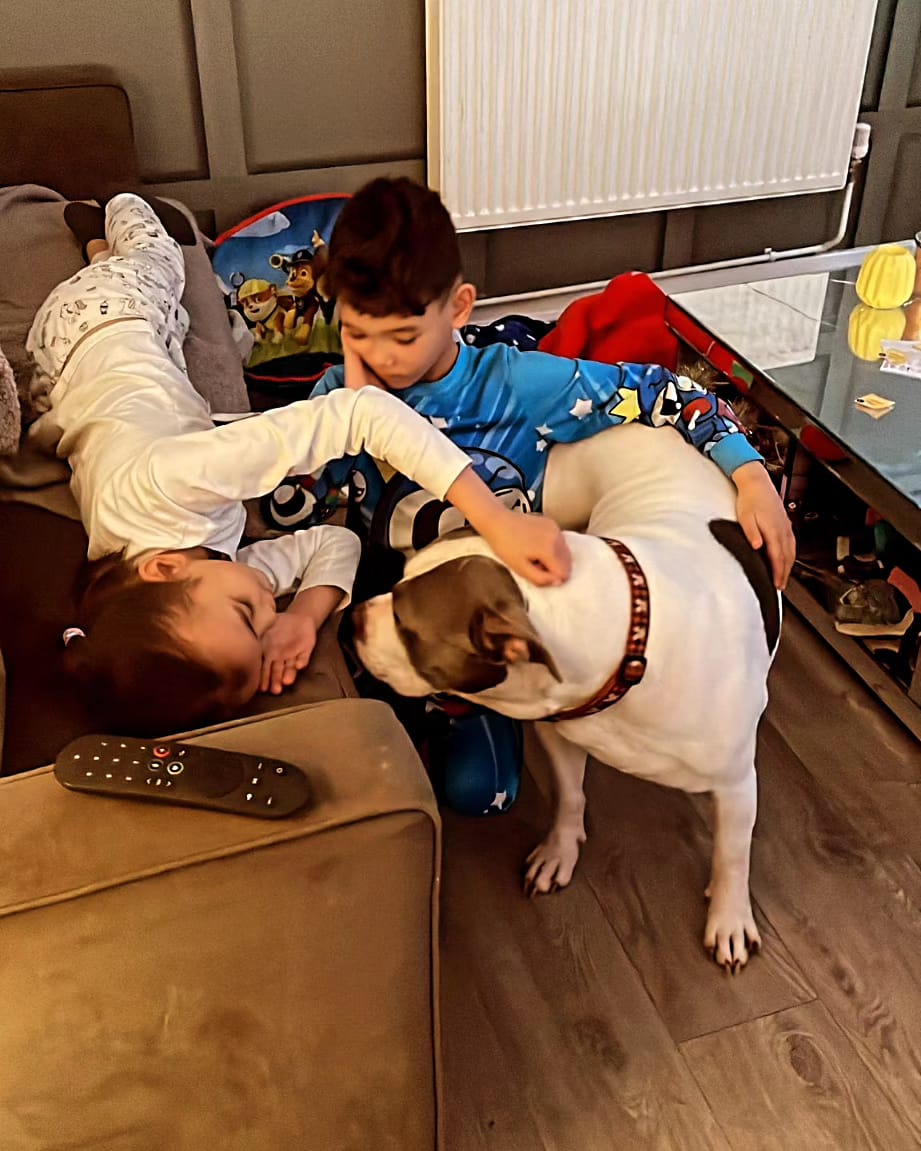
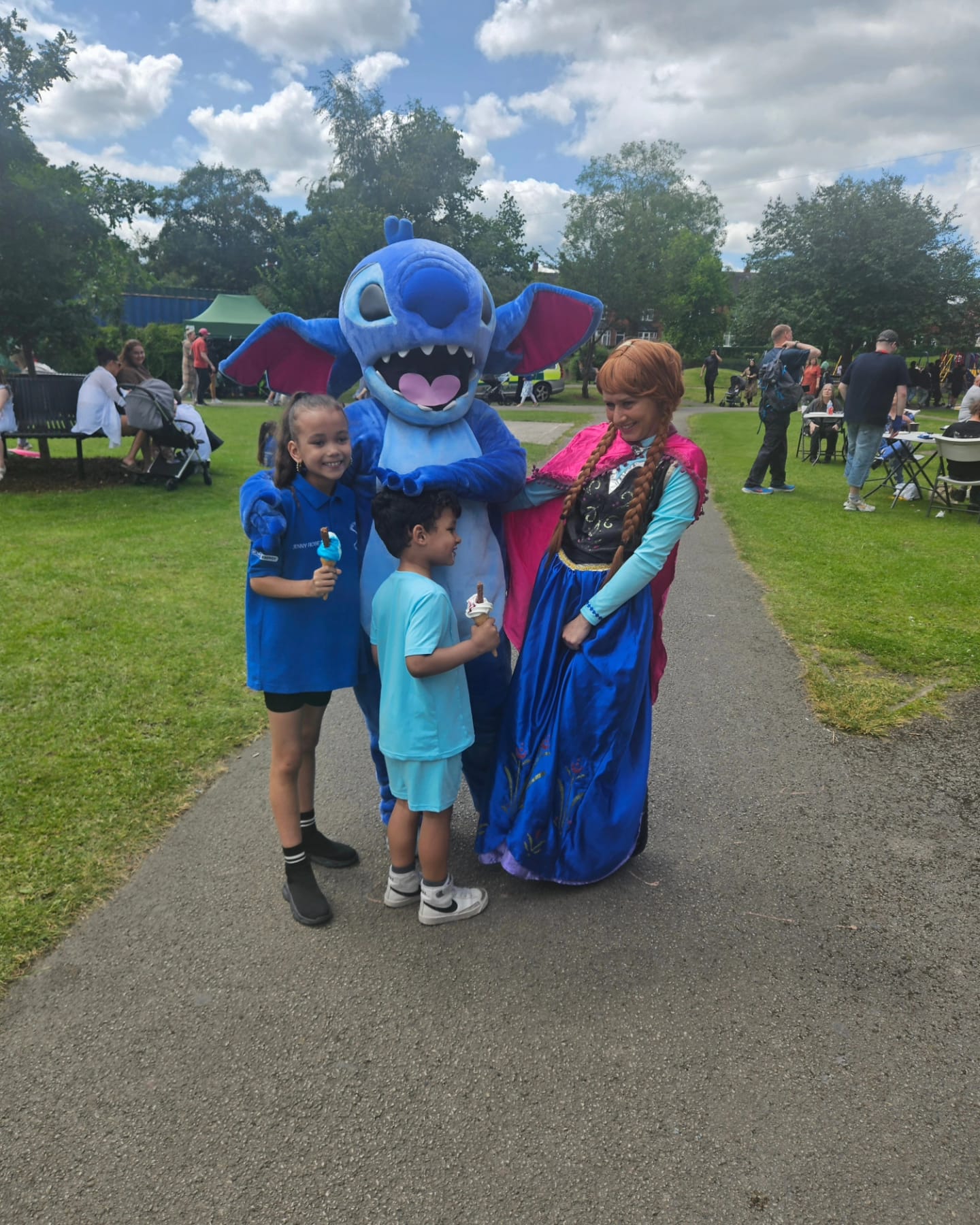
Playing together
Cody: Sam: We go on spooky walks Georgina: We scare each other! We scare each other. Well Cody scares me anyway. You always say that they’re skin walkers. And I say, ‘no there isn’t, I’m not looking’! Georgina: We get the bus to school. We play eye spy Logan: We play this and that! Cody: It’s like chocolate or popcorn Sam: And it’s helped Logan make his words a bit more clear, ‘cause he’s with speech therapy
Reflecting
Sam: “I like to take the pictures to show what adventures and memories we’ve made. Although it’s very rare that I’m actually on the photos myself. It’s made me realise that I am a lot more independent than what I thought. I thought that when I found out about having the twins and becoming a single parent that I’d need a lot more help than what I actually did. So I am very independent and very proud as well. Like I don’t really like to get people involved. If I need help I struggle to ask for help but my mum’s like, ‘you need to ask for help sometimes’ [laughs]. So yeah it’s, it’s made me realise how strong I am as a person myself becoming a mum because I didn’t think I’d be able to do it”.
Eleanore’s diary
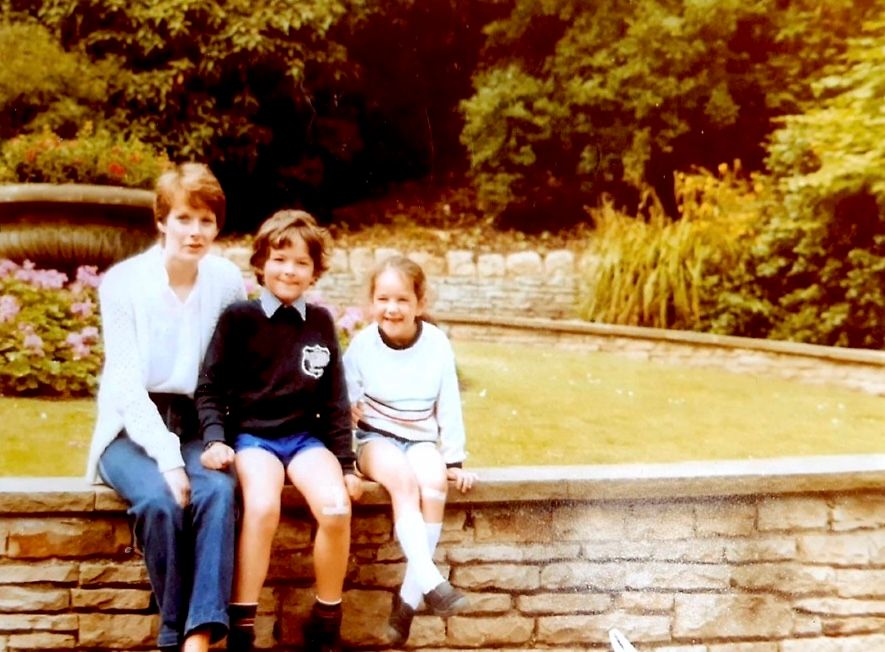
Eleanore, Headteacher
Mental health and wellbeing support in school
Miss Pickard – There are 2 main challenges. Poverty is a huge issue for families at the minute and coupled with the lack of mental health support. Families who’ve got concerns about their children can be on waiting lists for two years. They don’t always know the right places to turn to so we have to provide a lot of guidance. We’ve got a team in school who support children and families. We have a full-time emotional wellbeing practitioner, a trained counsellor, who offers support one-to-one with children with social and emotional needs. So it might be children who have got social worker involvement or it might be children who are looked after by their local authority or they’ve got another kind of anxiety need or mental health need that she supports and guides them through that, through her sessions. And we’re looking to expand that even further next year. We’re responding to need. We’re trying to be proactive and support children as quickly as we can because we know the impact emotional wellbeing has on their ability to be able to sit in a classroom and get on with the learning. And that will inevitably turn out in behaviour and unwanted behaviours which can be unsafe or stop other children from learning. And we don’t want that to happen, we want the children to get the best experience that they can have. And meeting the need, helping them so they’re regulated, they’re fed, they’re ready, they can be in a classroom successfully which benefits them and everybody else as well.
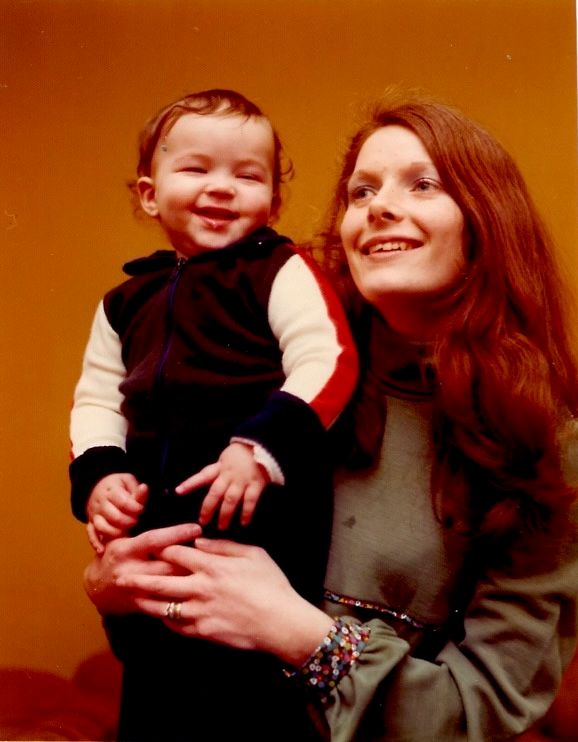
‘I’m not a young mum, but I had a young mum’.
Eleanore Pickard, Headteacher
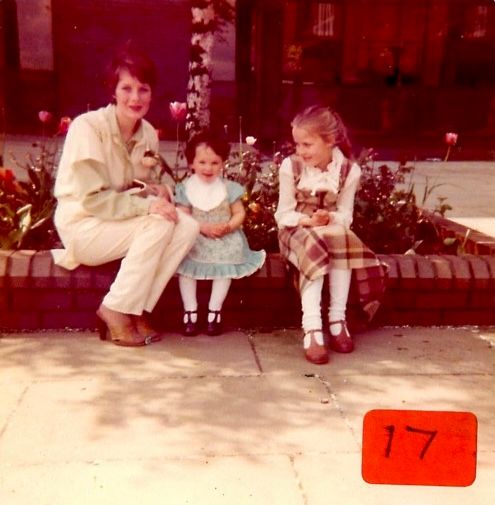
I am the daughter of a young mum and I just thought she was absolutely fabulous! She was so glamorous. I remember her having so much energy and being able to do anything at all.
My mum left school at sixteen, went straight out into work. She was married at 17. She had my brother at 18 and then had me at 21. She made being a mum her full-time job. My dad worked as a taxi driver and worked nights. We didn’t have very much money, but she made every penny count. She would make costumes for me when I used to go dancing and she’d make my clothes. I can remember her knitting cardigans and sewing. She’d make everything from scratch to try save every little bit of money so that we could have a holiday in the summer, and we could have everything we wanted at Christmas
When we got a little bit older, she went off to university. Everybody told her not to do it, but she went off and trained to be a teacher and she had an amazing career. By the time she retired, she was the executive headteacher of three schools for children with special needs in an alternative provision. She’d set them up from scratch and ran them.
Young parents and their children often wrongly get written off. But I think about my mum, who was one of six and of my Nana, her mum was also a young mum. My mum was the first one in the family to go to university and she gave us that ambition too.
She was just fabulous!
A holistic community based approach to supporting families
Miss Pickard – “The positive relationships are key to being able to understand what’s going on for the families, and make sure that we can support in any way that we can to ensure that they’ve got everything they need so that when their children do come into school, they are ready to learn and that they have been fed and that they have got a bed to sleep in and all of those things. One of the things we pride ourselves on is that we change what we’re doing to meet our community. We don’t expect them to fit in with anyone else’s social norms or expectations of school. So if things are not working for our children, if that’s around curriculum or teaching and learning or around the behaviour policy and it’s not working for our community then it’s our role to look at what does work. We don’t have a one sized all approach. We don’t implement policies that have worked in other schools. We do our research and do things really thoroughly and carefully so that we’re supporting our families. It’s the same with our employees because we have employees who a have lived on the estate for a long time and have worked here for a long time and they are all part of the community as well. And that includes different roles around school so that they bring that community spirit in as well”.
School and family based support
Miss Pickard: I think we noticed with a lot of our younger parents, they’ve often got grandparents involved, like maternal mums supporting the families, we see that which is great isn’t it.
Miss Fish: But some families don’t necessarily have a lot of extended family or within the area. So that kind of makes them feel a little bit isolated as well. And that’s where we jump, kind of reach out straight away as quick as we can to kind of support that single mum or dad to make sure that they don’t feel that isolation. Because then that will transfer to the child and actually what we need to do is try to make sure that mum or dad’s anxieties or whatever they’re displaying are supported so that we can support the children and the family.
A welcoming community school
Miss Fish – “My role is predominantly safeguarding. With all the will in the world you can build lots of great relationships but it’s keeping those relationships. And I think us being a face out on the playground every day is a real positive because a lot of the parents, they’ll come and they’ll say, ‘oh I’ve had a right morning this morning’, you know. And it is building those relationships. It can be a little bit tricky sometimes but actually I think we can and do build really positive relationships with families. Sometimes we have to challenge them and it’s not always embraced positively. However, they will then at some point further down the line understand why those challenges were implemented and actually those are the things that we also have to do as well. But the positive relationships that we have are usually maintained because we’re welcoming of the whole community. Because it is a community school. You know, you can feel that outside. You know, there are lots of community-based things around us as well which we have real strong links so we have links with HAVA and we have links with HOPS and things like that. So it’s those kinda things that my role also kind of explores as well’.
A welcoming school
Miss Pickard: Building relationships is key. We had a family that have left our school now but a young mum felt embarrassed coming into school cause she was so much younger than a lot of the other parents. And I think getting that big grin and, welcoming her on the school gates, ‘hiya come in lovie, come on, you’re alright, how are you?’ and having that chat with her made her feel less nervous and less anxious about coming into school. Because if you’ve got a parent who’s anxious about coming into school then that’s when they’re gonna spiral. And then as soon as there’s a reason not to bring the children then attendance goes and then their education and then it kind of does spiral out of control. But if you can make those relationships and make everyone feel welcome regardless of their background or their age then that has a big impact as well.
Miss Fish: 100%. 100%. And if you’re reinforcing if they’ve had a tricky morning and, and they’re feeling really, really deflated by that tricky morning, you’re then reminding them with a big smile, ‘but don’t forget how much different things are and how settled things are. And, you know, you’re doing a great job’. You know, so it is making sure that you reflect and reinforce actually everybody has tricky times. And they are those ones that just need that smile and positive reinforcement of how well they’re doing.
Hawksworth Wood Primary School
Miss Pickard: “We serve a community of the local area and a little bit beyond. We’ve got a fabulous diverse community here. We’ve got a lot of children who live really close to school whose families have lived on the estate for generations. And then we’ve got lots of newcomers as well, sometimes from overseas, or from other parts of the city or, across the country. The first priority for us is to make sure the children are ready to learn so that whatever’s gone on in their home lives the children come to school, they’re fed, they’re watered, they’re loved and they’re ready for learning in whichever way they can be. So that might mean a range of intervention and support in terms of social and emotional wellbeing or kind of more formal parental support but we’re there to support the families in whichever way we can do. And that’s part of Miss Fish’s role as well in terms of looking after families, being a shoulder to cry on. Being the person who’ll sit and listen when they’ve had a tricky morning and putting the right support in place or directing them as to where they might get that support.”
The advantages of being young parent families
Miss Pickard: Young parents have more energy to do things. And their more technology savvy. when you want to talk to parents about what children been looking at on TikTok or whatever and they go, ‘oh right’. And they know exactly how to deal with it, they’re living in that generation.
Miss Fish: But also I, I know there are a small group of our younger families as well where the children, you can see that the children are much more…relaxed and like, you know, like whereas if they’re an older mum or parent, dad then you can see the different generation of how their expectations as they were growing up transfer to the child. And whereas with the younger ones you can see they’re more chilled and relaxed in the way that they speak and the way that they present themselves. And I think that that’s really quite prominent in some of them.
Chloe’s diary
Chloe, Harry + Isaac
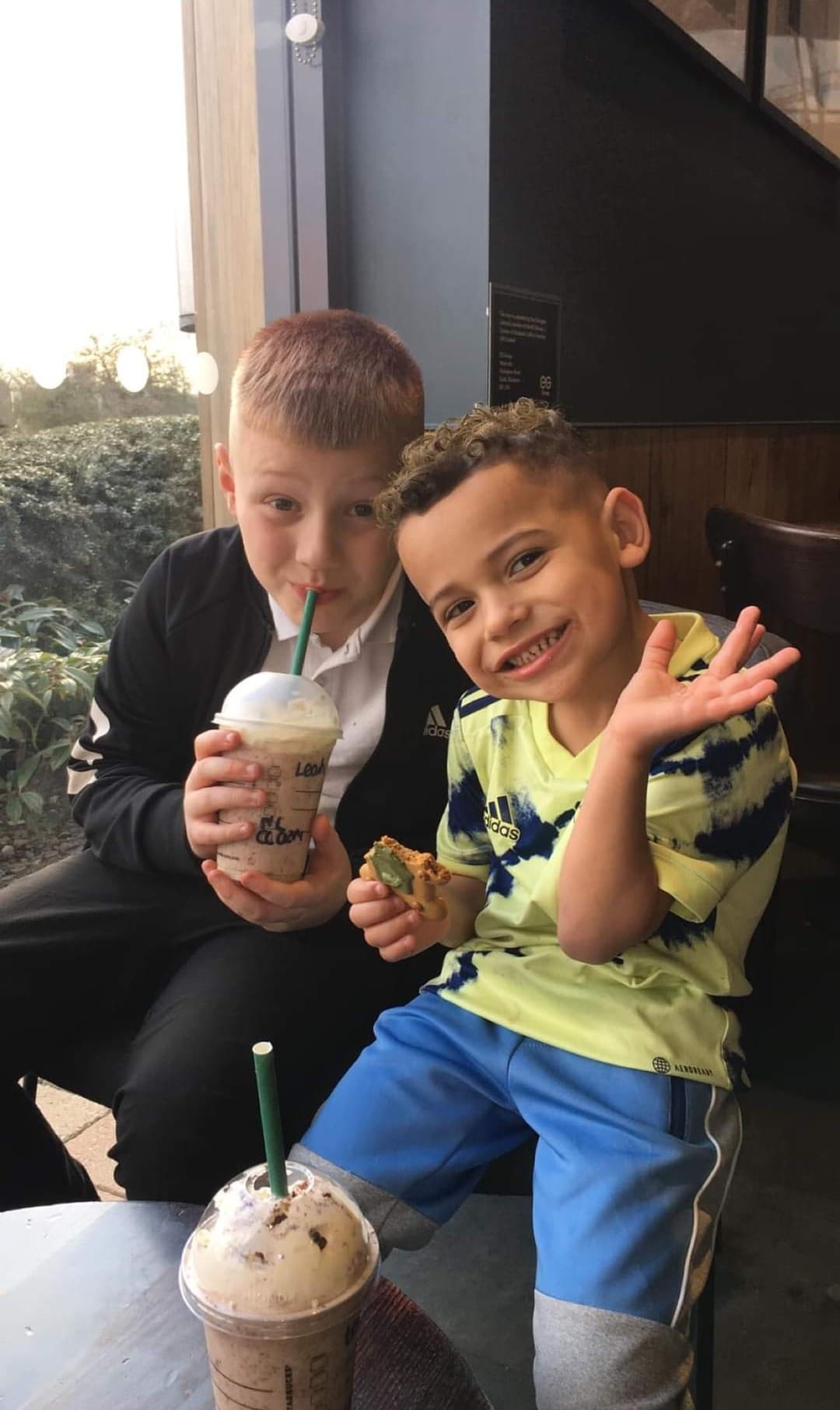
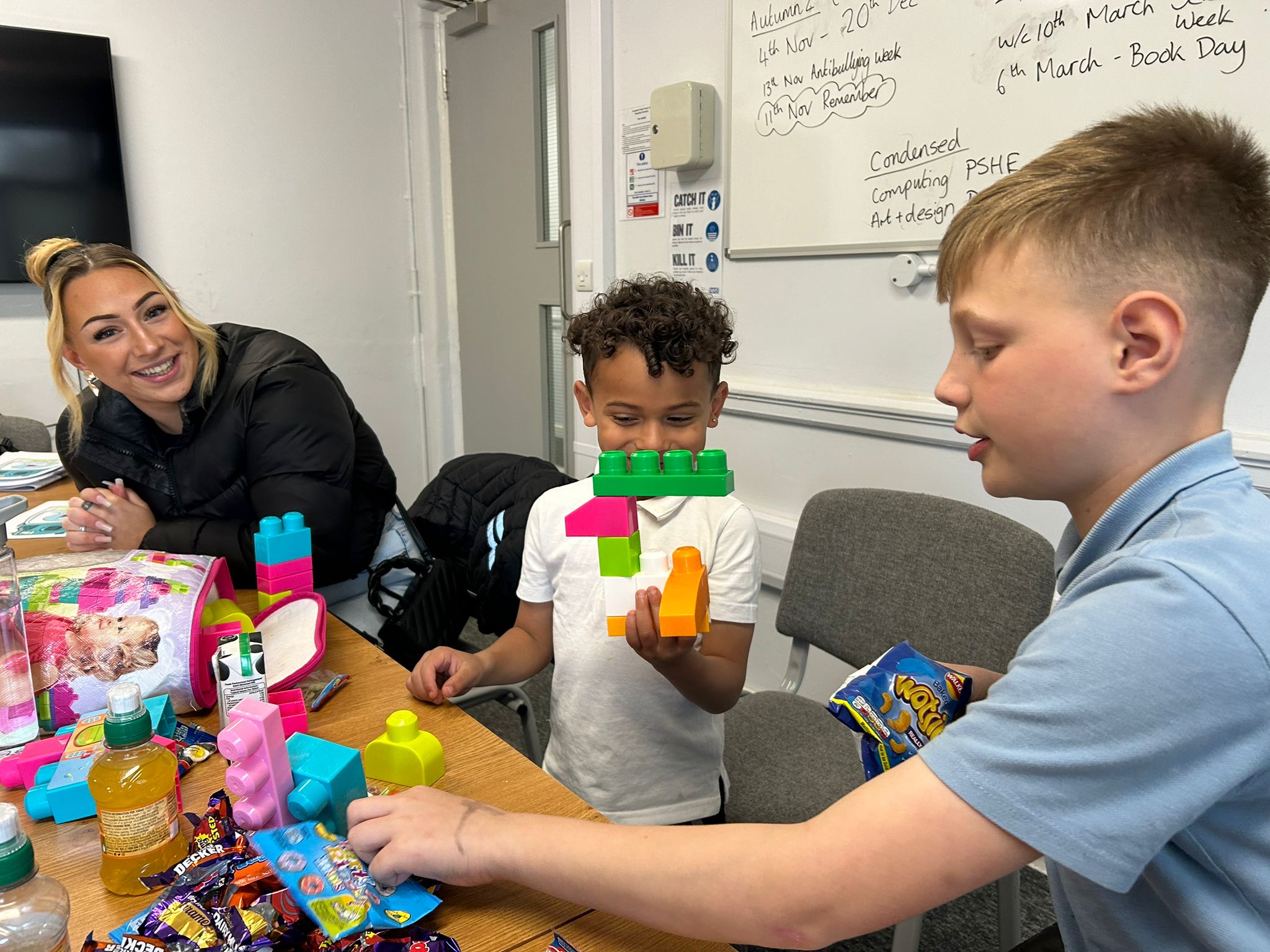
Chloe has 2 children, Harry aged 9 and Issac aged 5. They live together with Chloe’s partner.
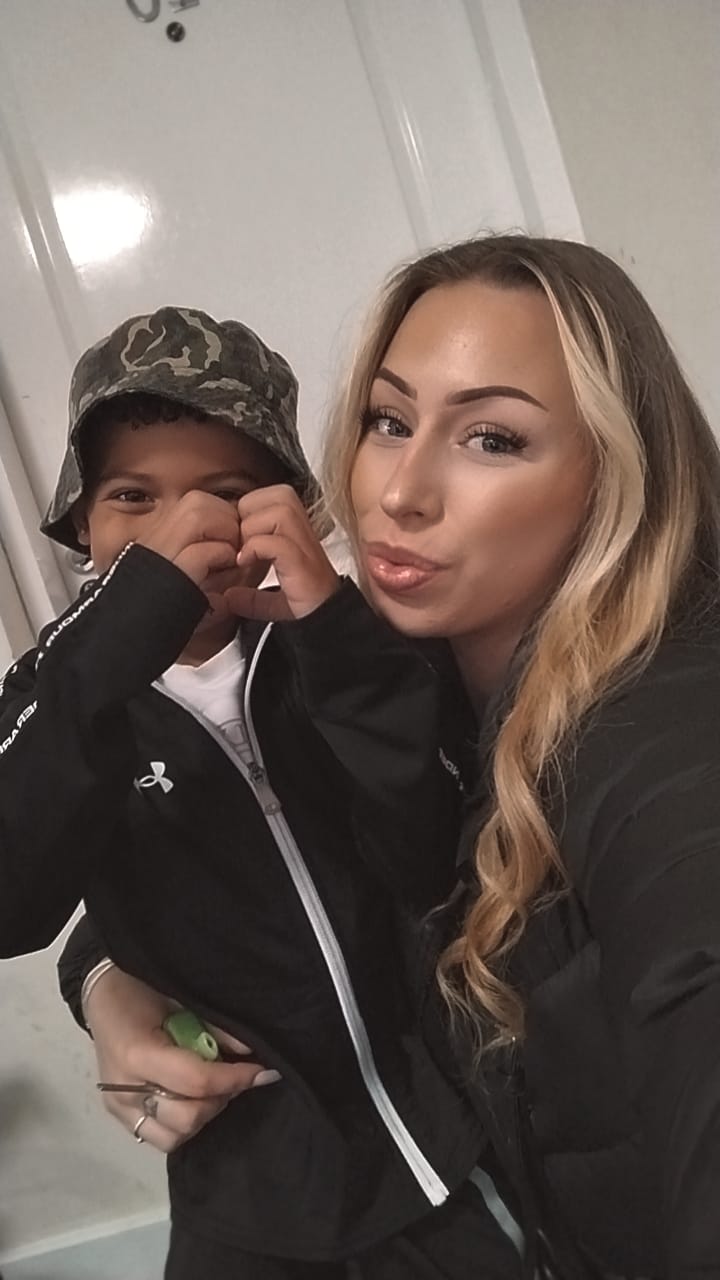
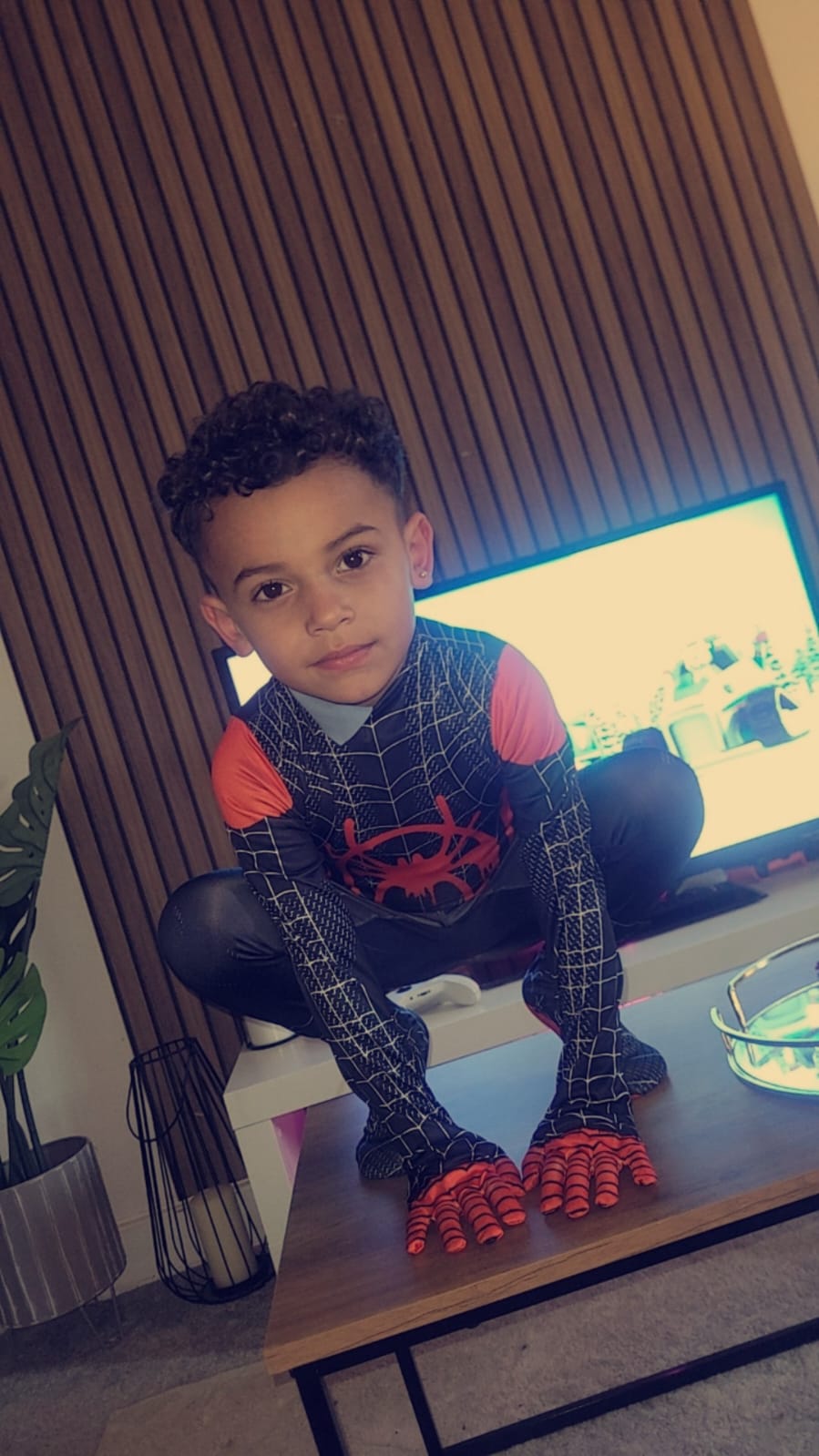
Chloe became a mum aged 14. She received support from a mother and baby foster home on her road to becoming independent. She has a close and supportive family, and she enjoys taking her children on lots of adventures.
She works part-time during school hours but would like to do something different when the children get older.
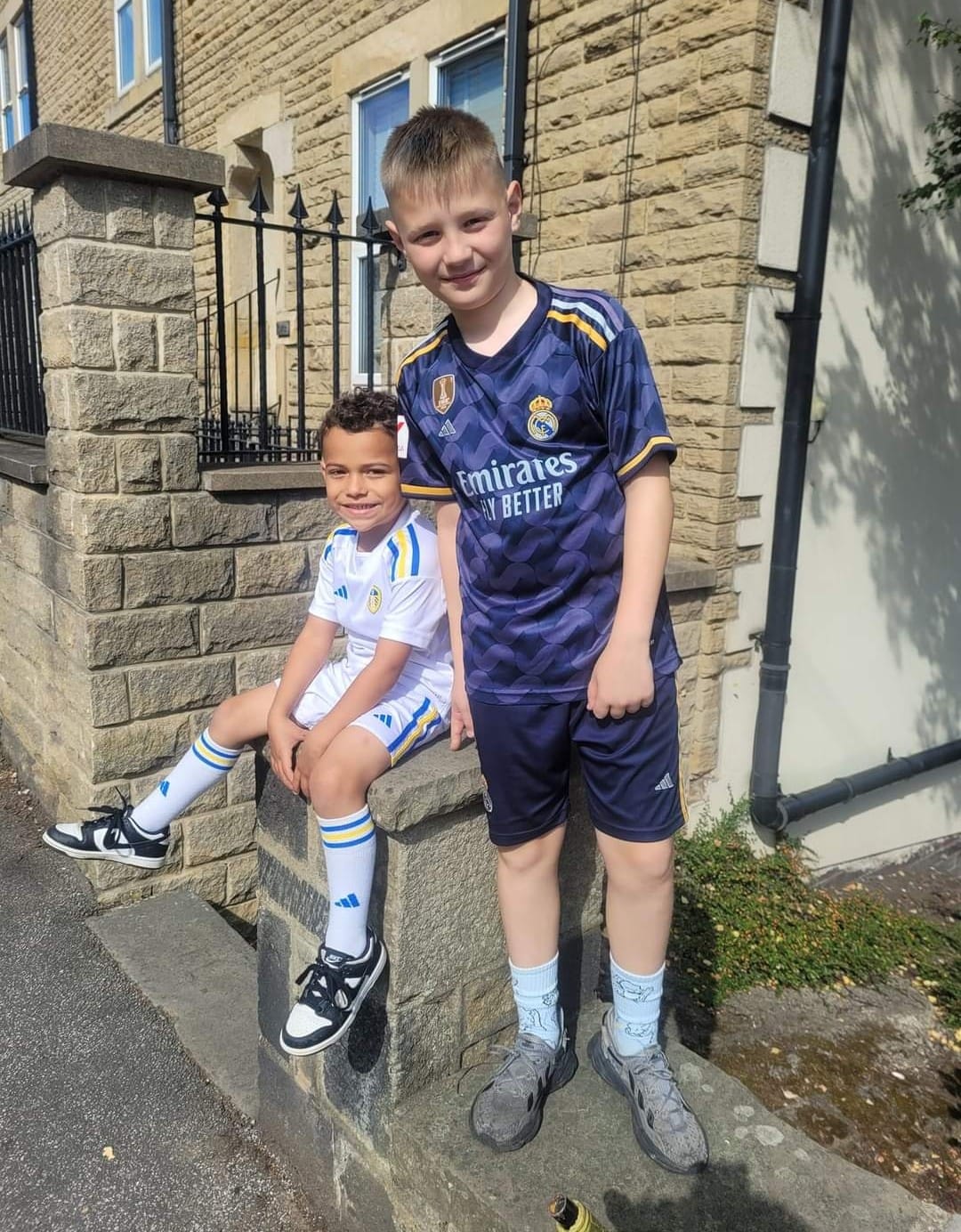
Harry We’ve got a massive family.
Chloe My mum, my siblings. We’re quite close to our, like, immediate family. We’re quite, we’re very close and all very supportive of each other, and we enjoy mostly to spend time with each other. Yeah. We’re all quite happy.
To be fair, it’s only recently I’ve realised how close we really are and that, like, my family does mean everything to me.
Harry My family does mean everything.
Becoming a young mum
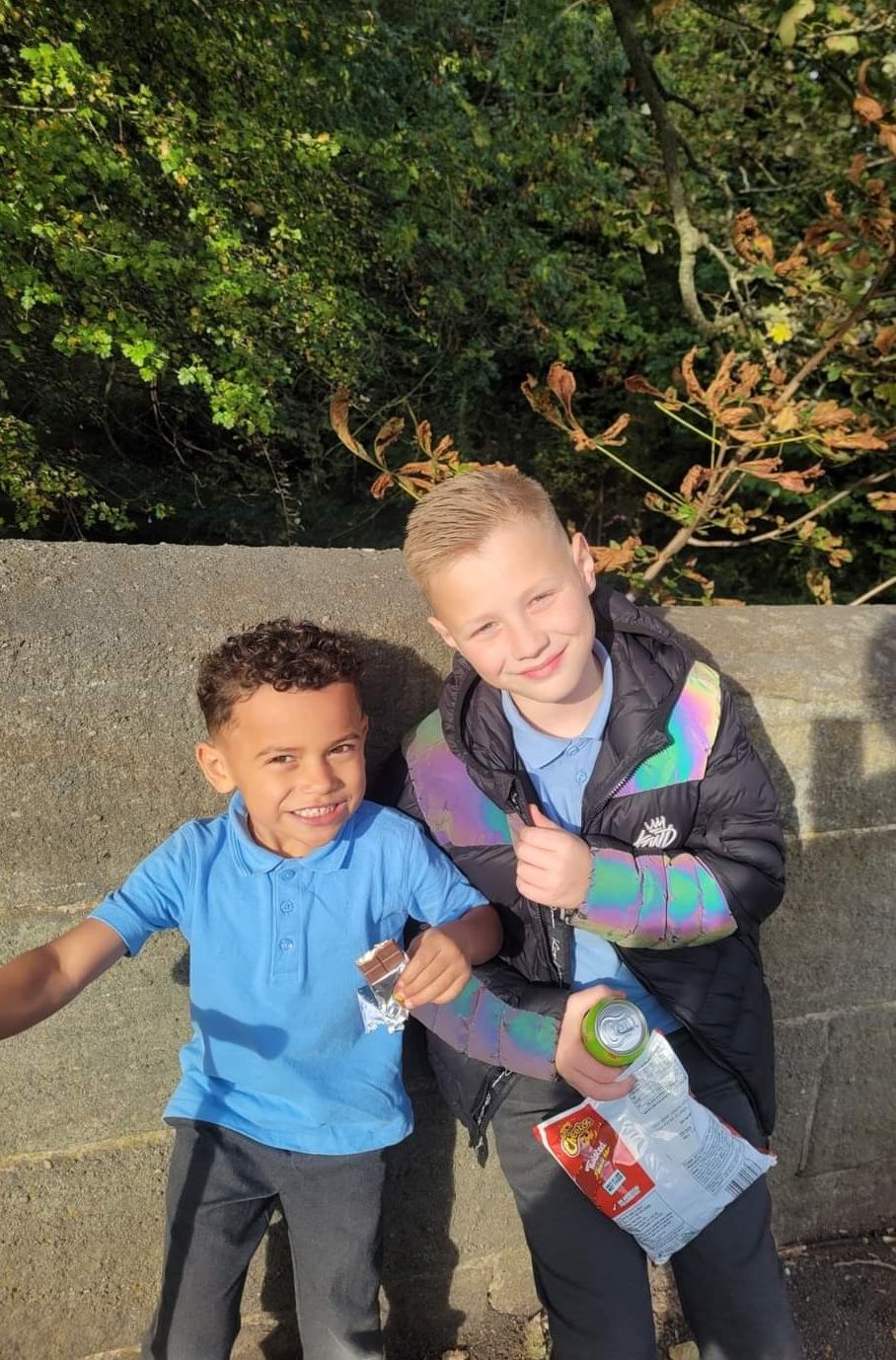
“It was shocking. I didn’t tell my mum. My mum didn’t find out till I were 27 weeks. I don’t actually know how I hid it. But I think I were just worried about what, what she would want me to do and stuff like that. I think I were just scared. And then my grandpa asked and mentioned it to my mum and then my mum was like, ‘Is this happening?’ But yeah, it were just scary. And then we lived at my mum’s for like a year and then we went to a carehome. We weren’t there for too long just until I turned 16, so I could have my own place. But I went through like assessments there obviously to make sure that I was able to live on my own and stuff like that. But the people were so lovely, and after we left there, we stayed in contact with the family that we lived with” .
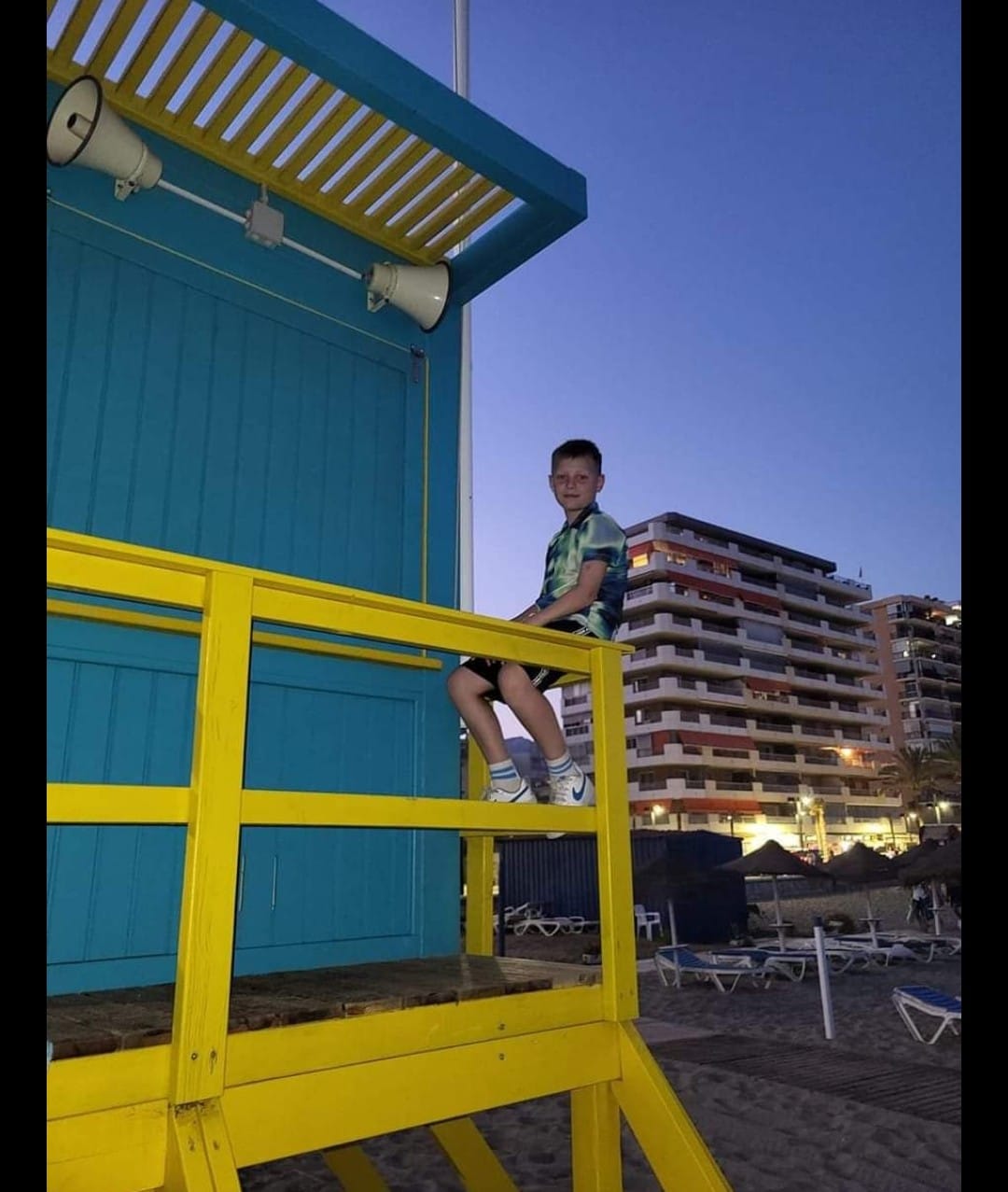
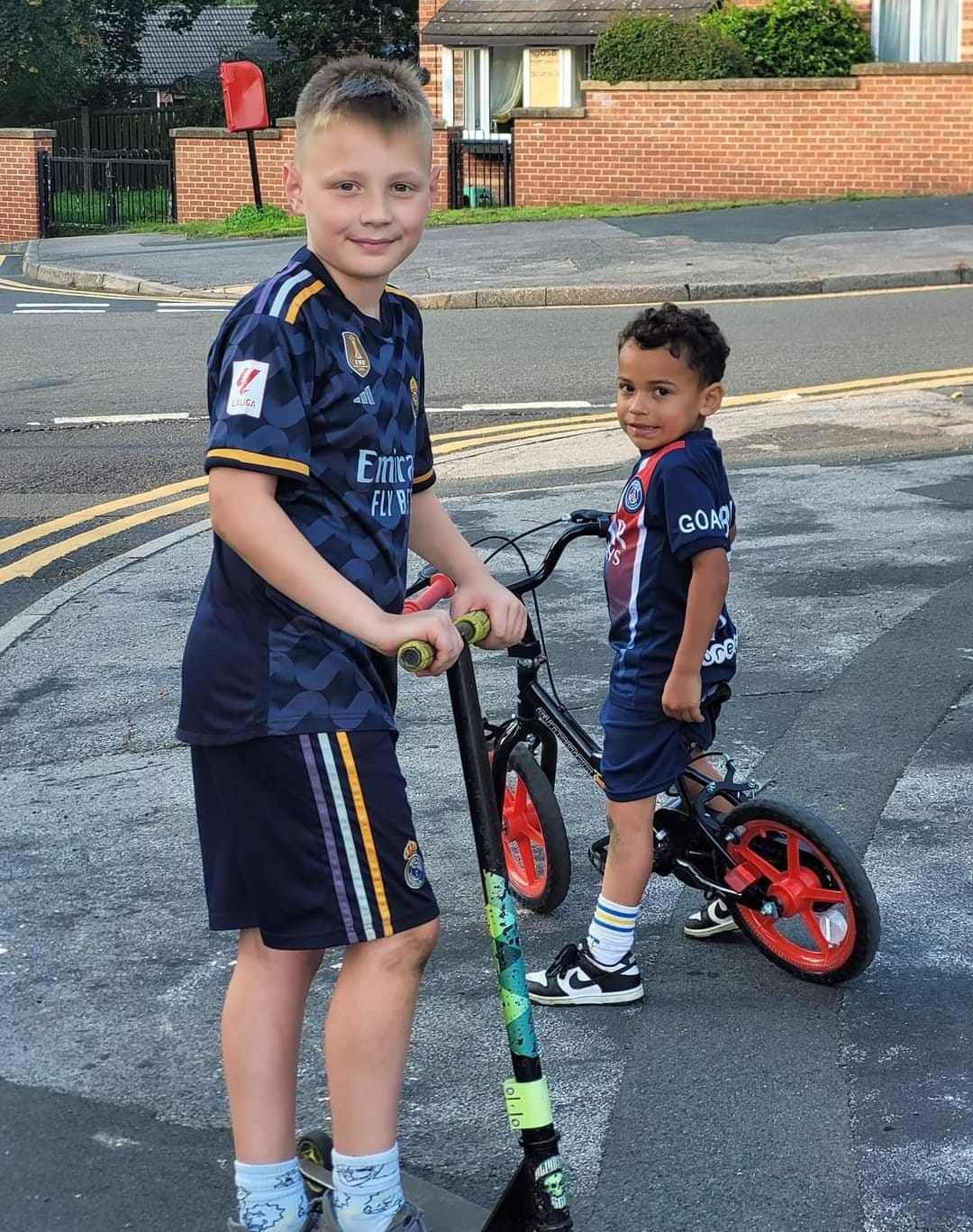
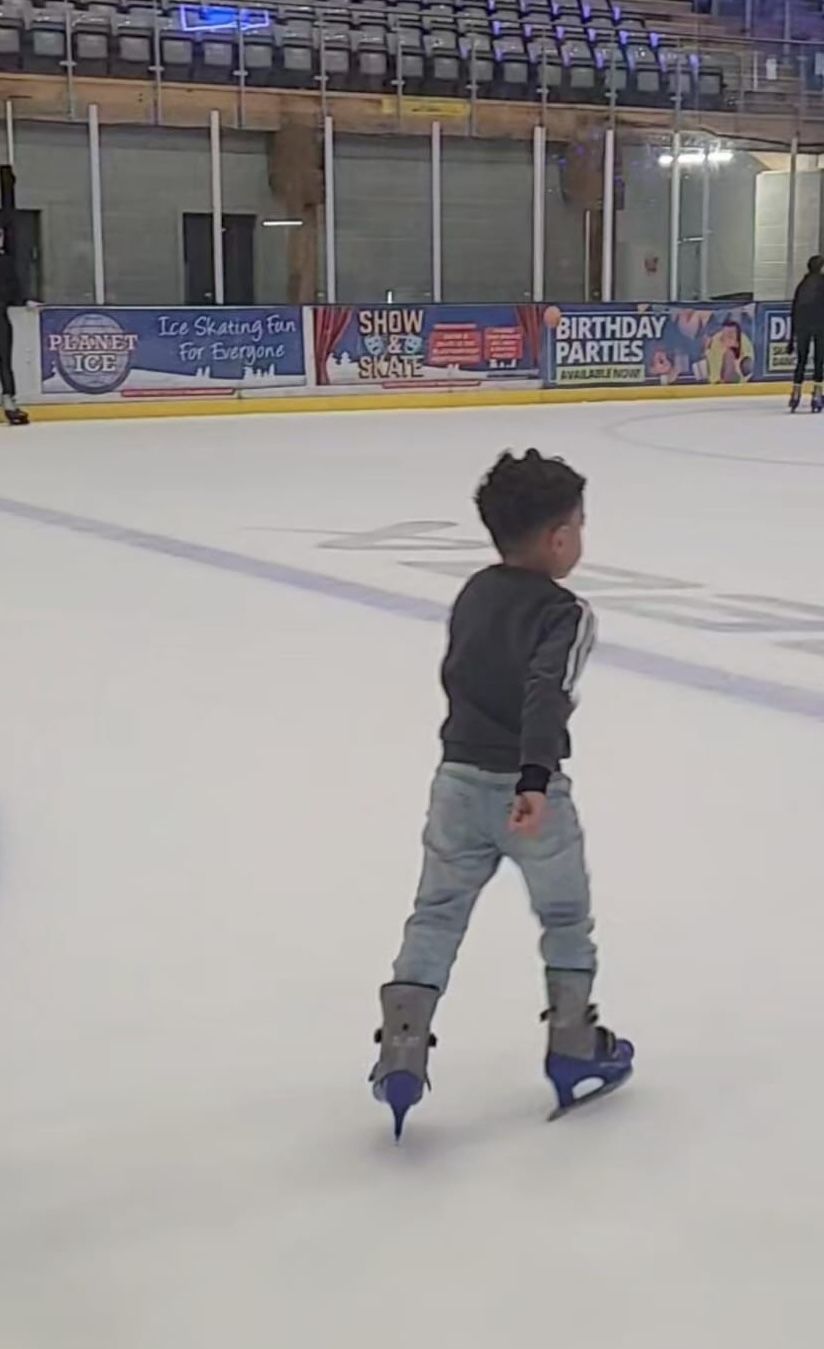
Issac That me. Ice skating
Chloe You were so good, wasn’t you?
Harry Yeah, spinning around..
Issac I were skating around and doing circles.
Chloe We were so surprised at Issac cause he’s so small, so we didn’t get him the thing to push, There were quite a few of us, cause we was with my mum and everyone, and he just ended up wanting to let go and just do it on his own.
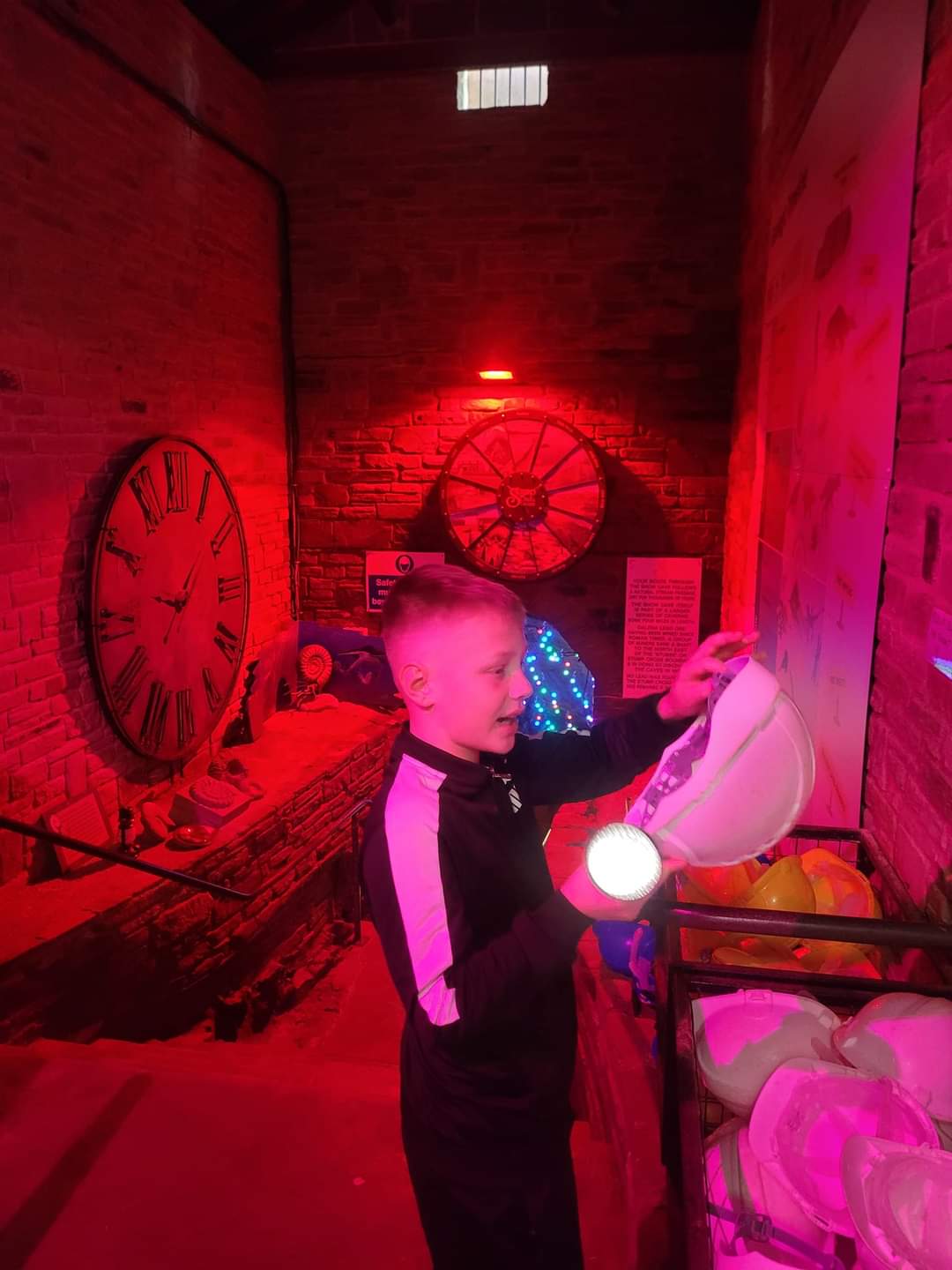
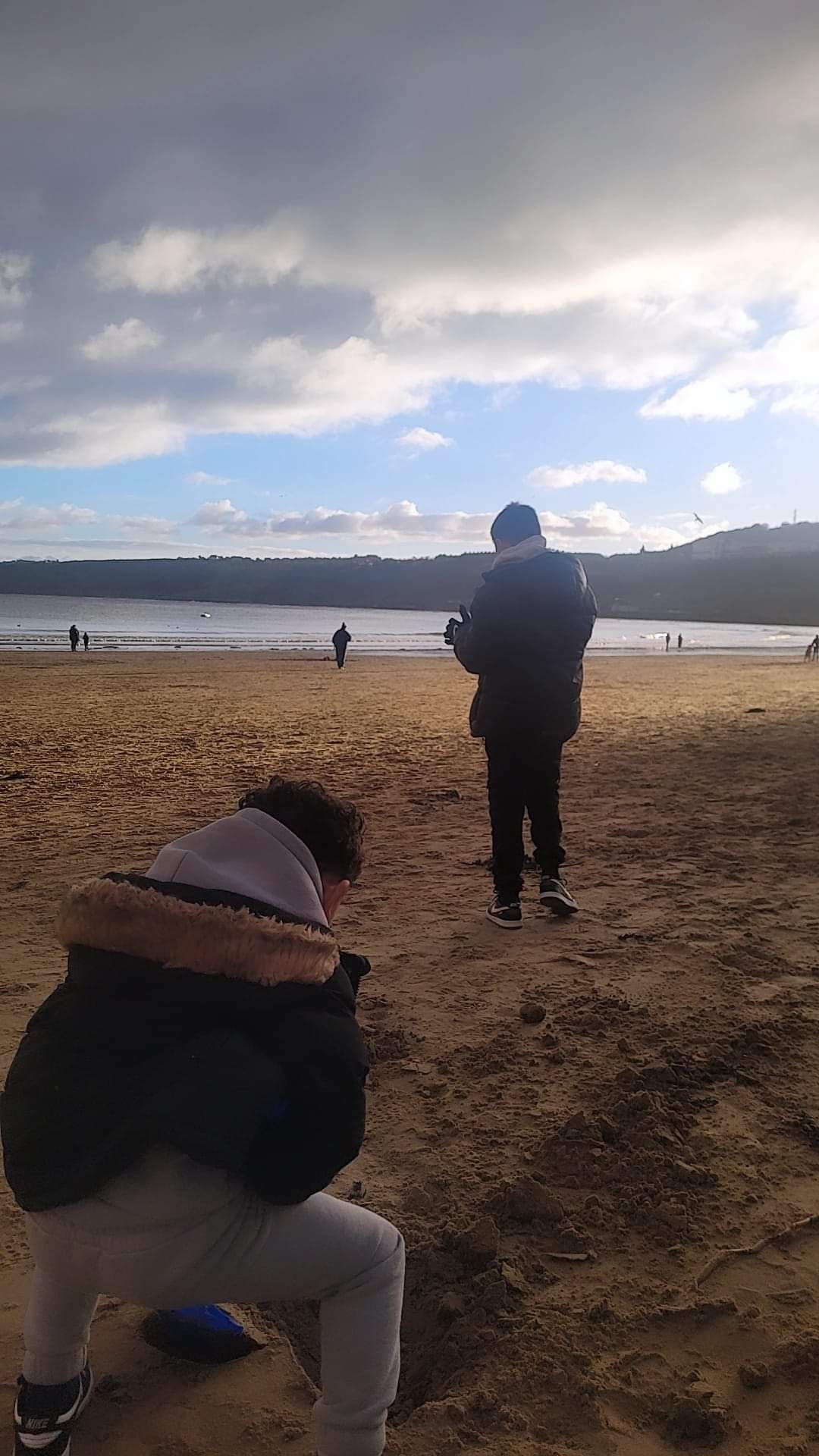
Chloe on Days Out
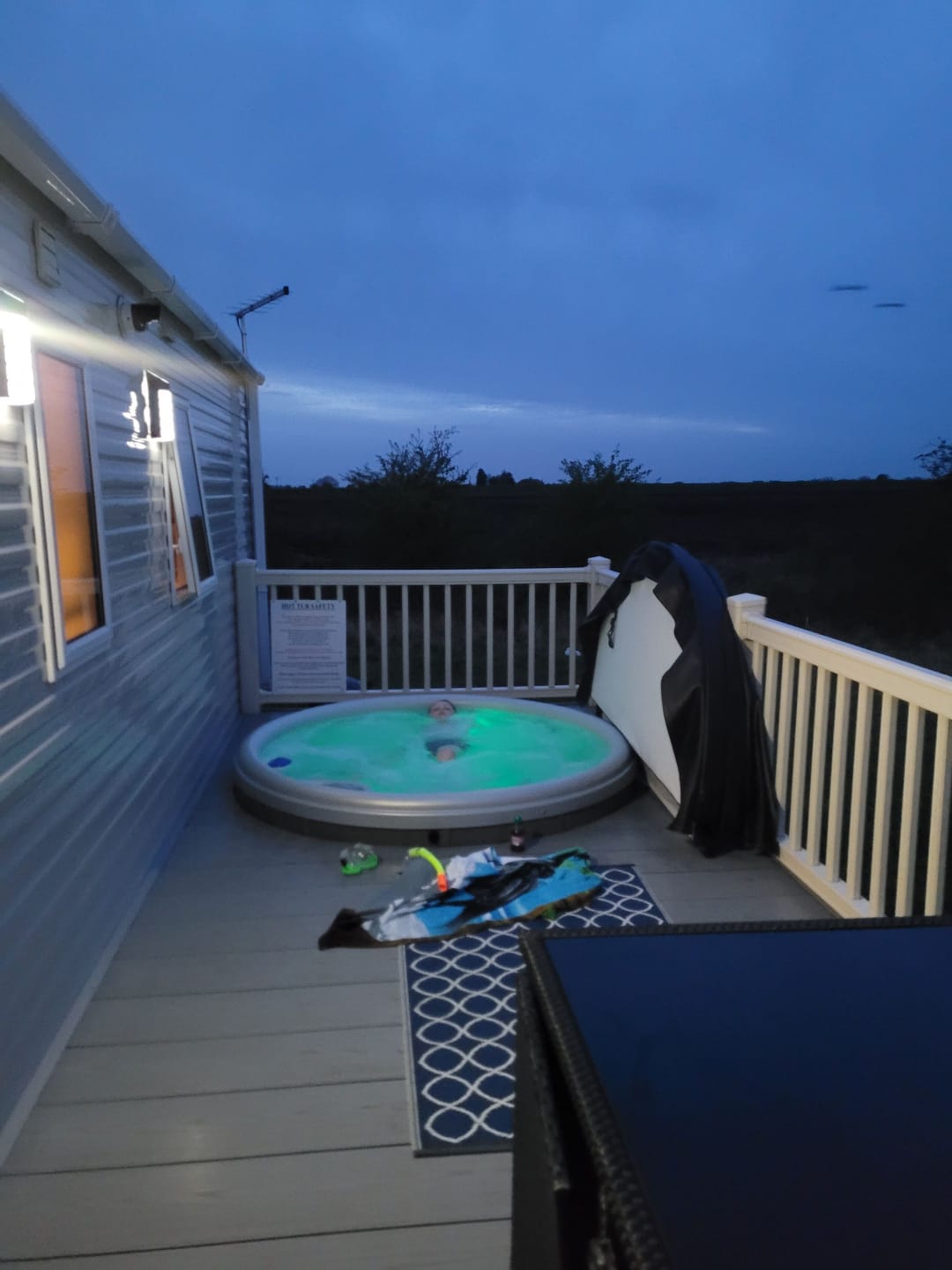
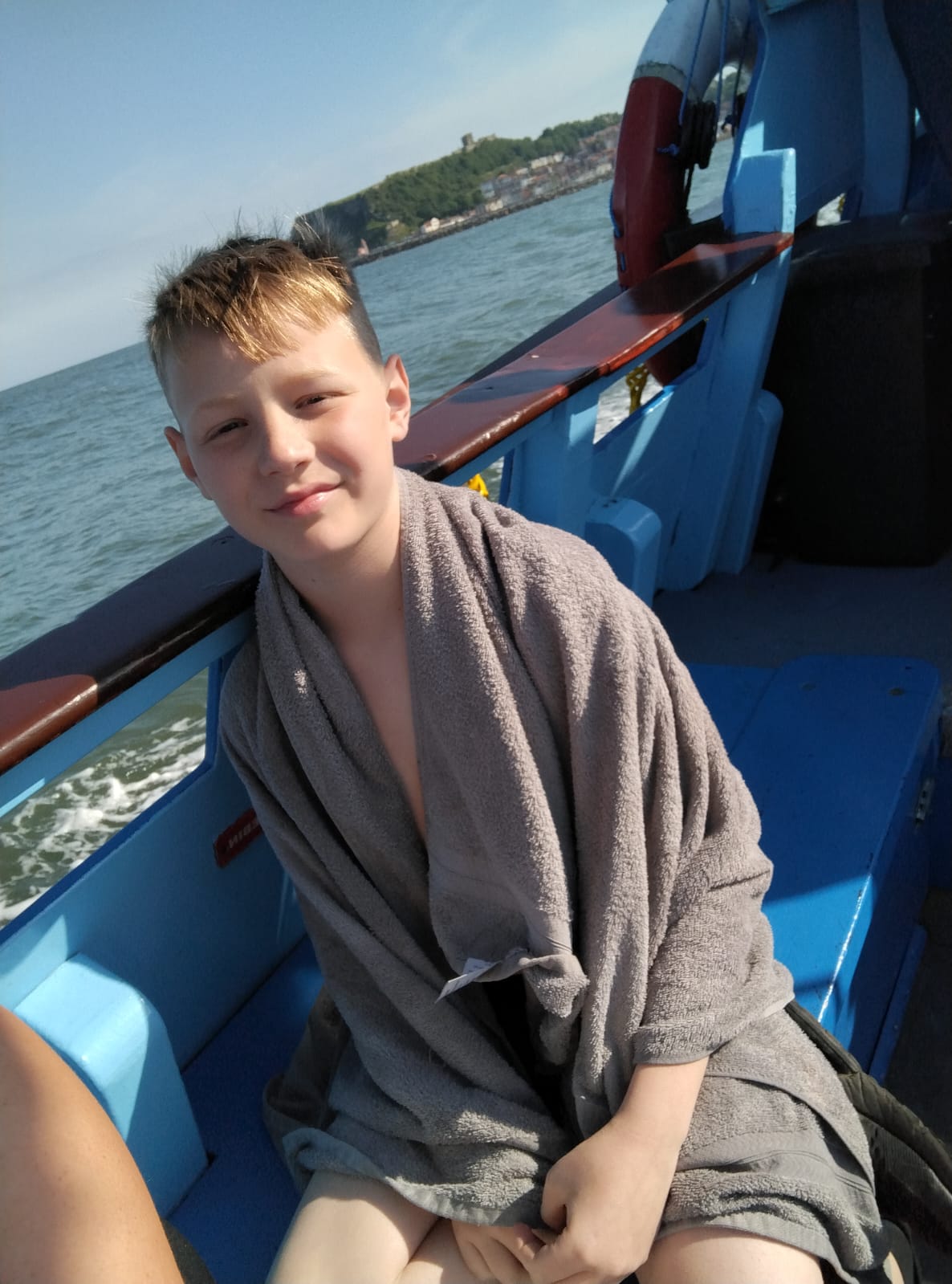
My partner drives otherwise we probably wouldn’t go that fat out. We often go to the seaside. We went to Scarbrough Just before it started, yeah, before it started getting warm, and we were shocked at how cold it was actually, weren’t we? I hated it [laughs]. I hate being cold.
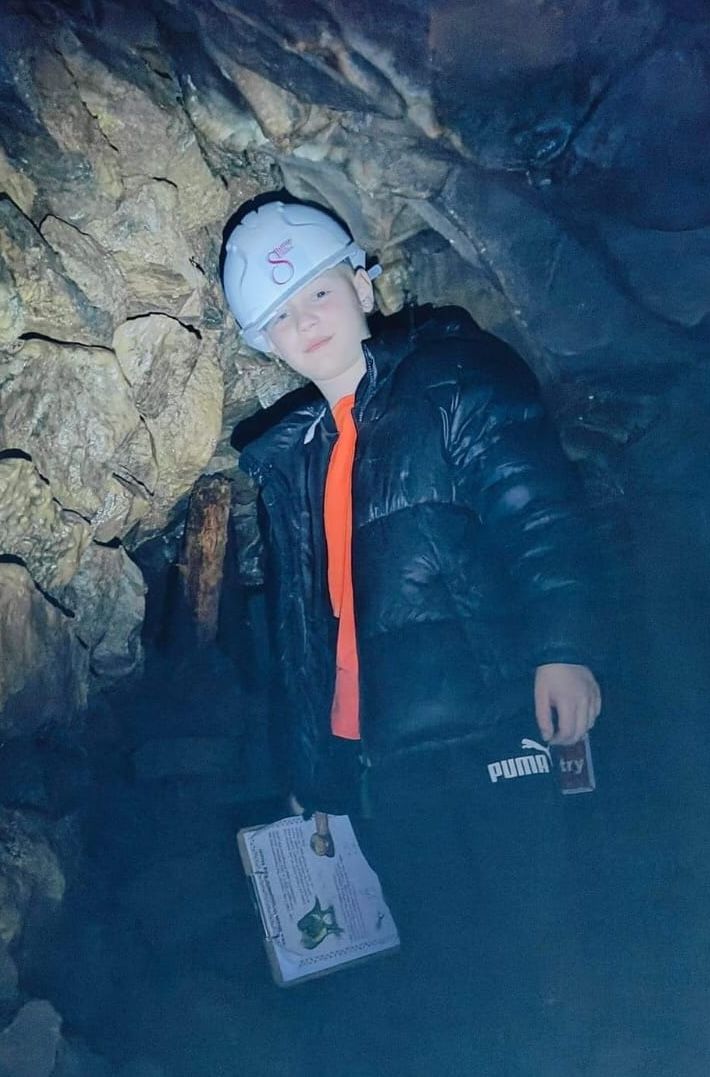
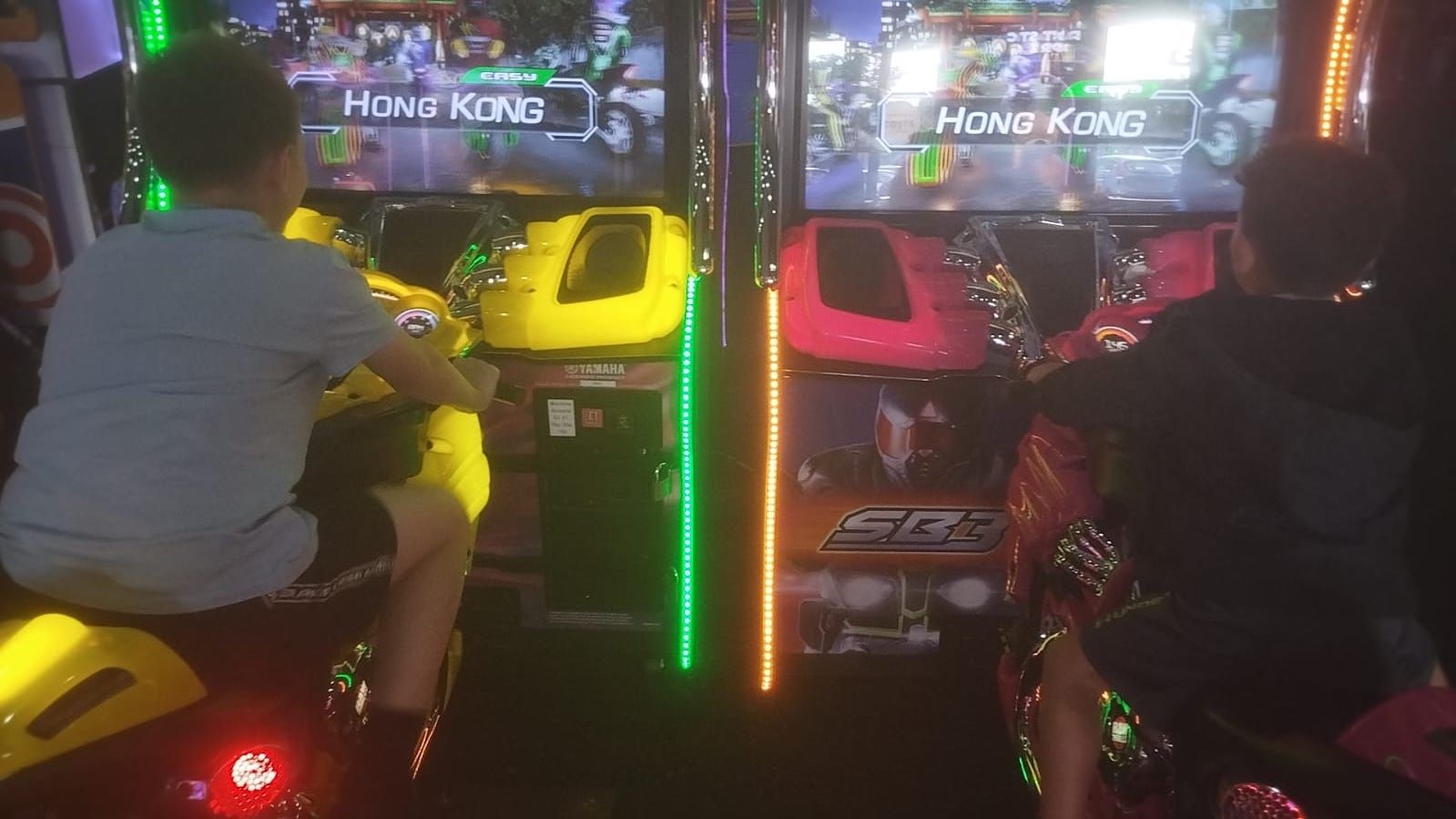
Harry We went in some caves. Fun. We had this wordsearch and I got some amethysts. Cause we had this, what’s that blue torch called? The UV light, and there was these eggs that we had to find and they had letters in them, but they were really hard to find. We had to shine the UV torch on ‘em and it showed a letter, then once we found all the letters we had to figure out the name. But it was Stegosaurus.
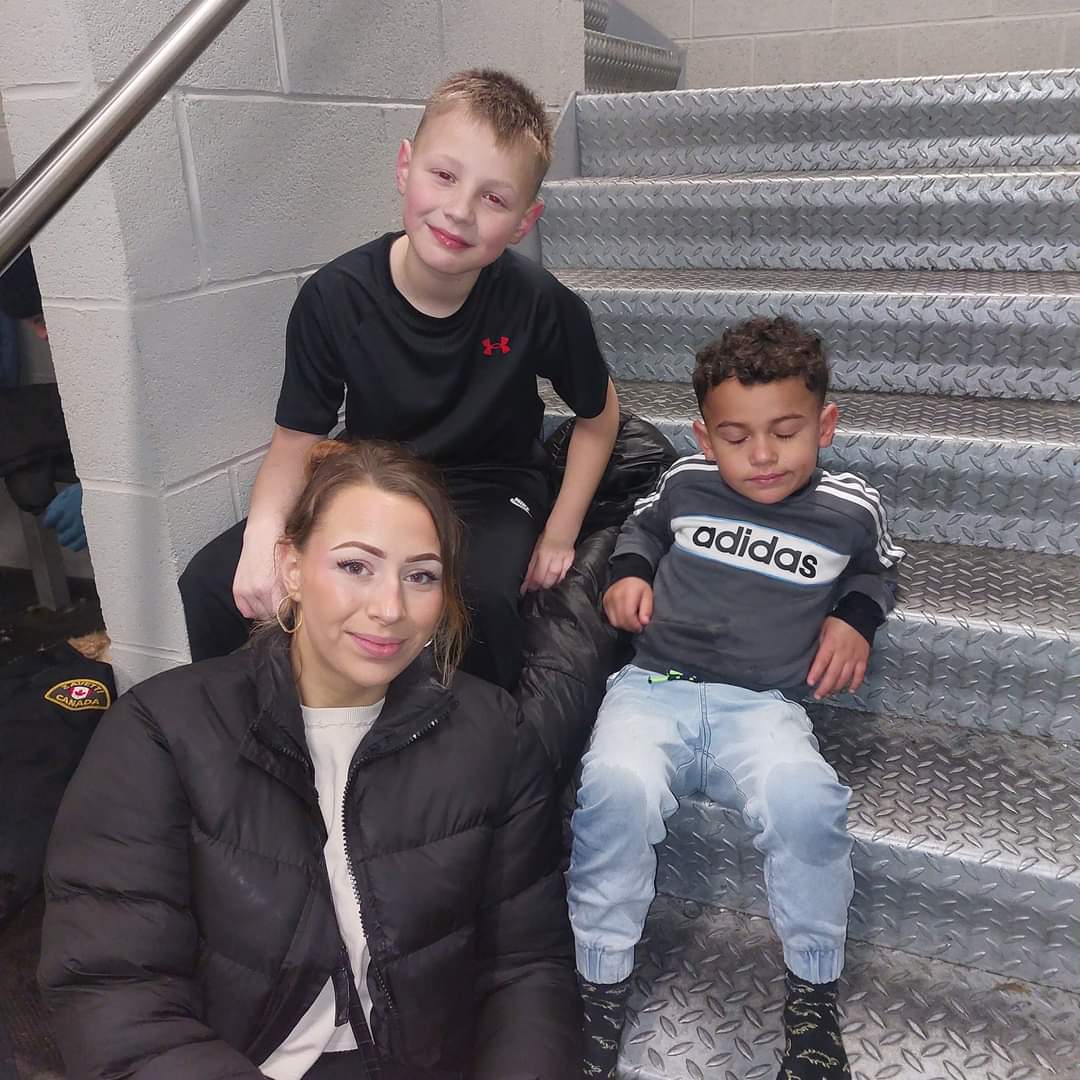
Chloe
I think it, it’s fun obviously. It can be difficult. But I’ve always enjoyed it. And even before, obviously I had them very young, but like before that I was always like around babies and stuff like that, so I never kind of, I kind of just knew what to do.
Harry
It’s more modern having a younger mum. Nana’s old school.
Chloe
To be fair, sometimes we’re more like friends, aren’t we, sometimes.
Stigma of young motherhood
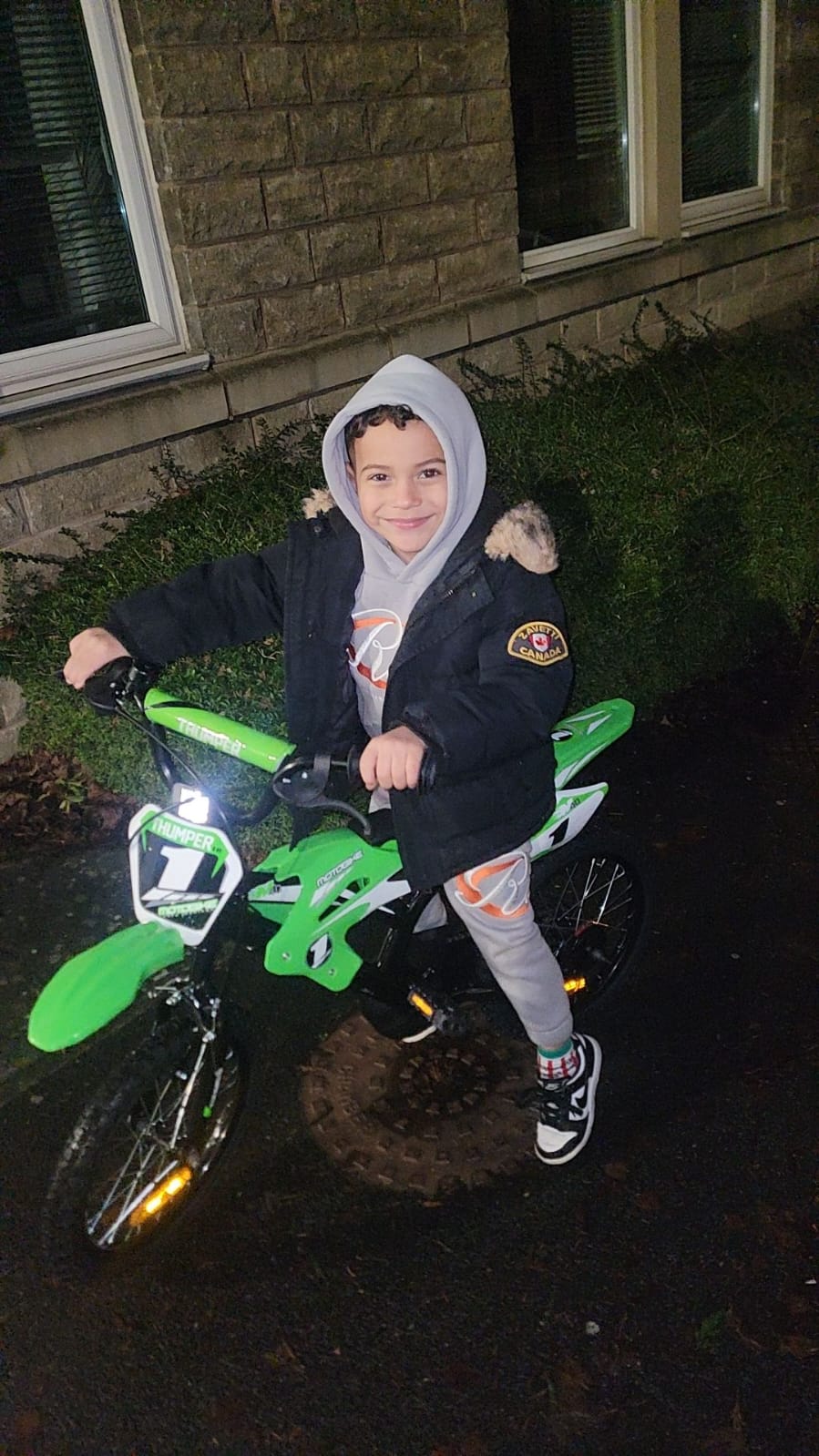
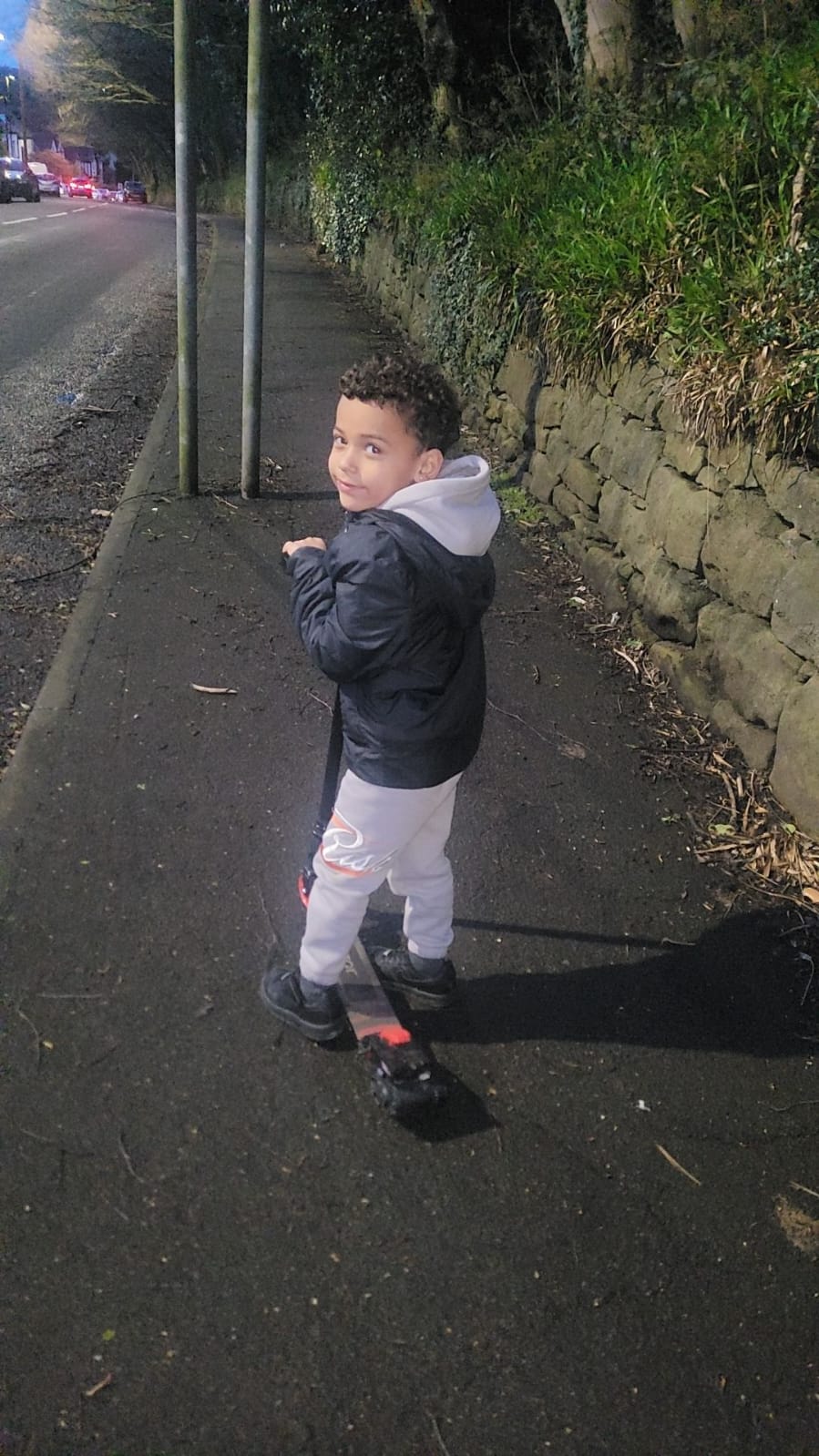
“I think I have really bad anxiety and stuff so going out and stuff like that, just like anywhere, even just little things, shopping and stuff like that, is quite hard, cause especially if I take the kids. Cause I think you can definitely get judged a lot, cause I think you can tell when I’m out with even Issac but especially with Harry, and he’s like, ‘Mum’ and like people are like, mum? So yeah, I think it has affected me in a way of like my confidence, and I think I’ve been quite anxious and stuff like that, but I think having the kids has probably also made my anxiety a bit easier cause I have to do things. Like I’ve got no choice but to go out, so. But I do enjoy it and I wouldn’t change it. In terms of like say health visitors and all that kind of stuff, I think that a lot of them can be quite, they judge a book by its cover, just knowing obviously that you’re young and stuff, and I think that they shouldn’t do that, cause I think know mums that are double my age and that I personally think could be doing better, do you know what I mean. So I just think I’ve had experiences where they’ve been quite rude and very obviously judgy from the start, and then I think they realise that actually they don’t need to be. So I’d say yeah, don’t judge straight away, until you know the situation and stuff, don’t judge them.”
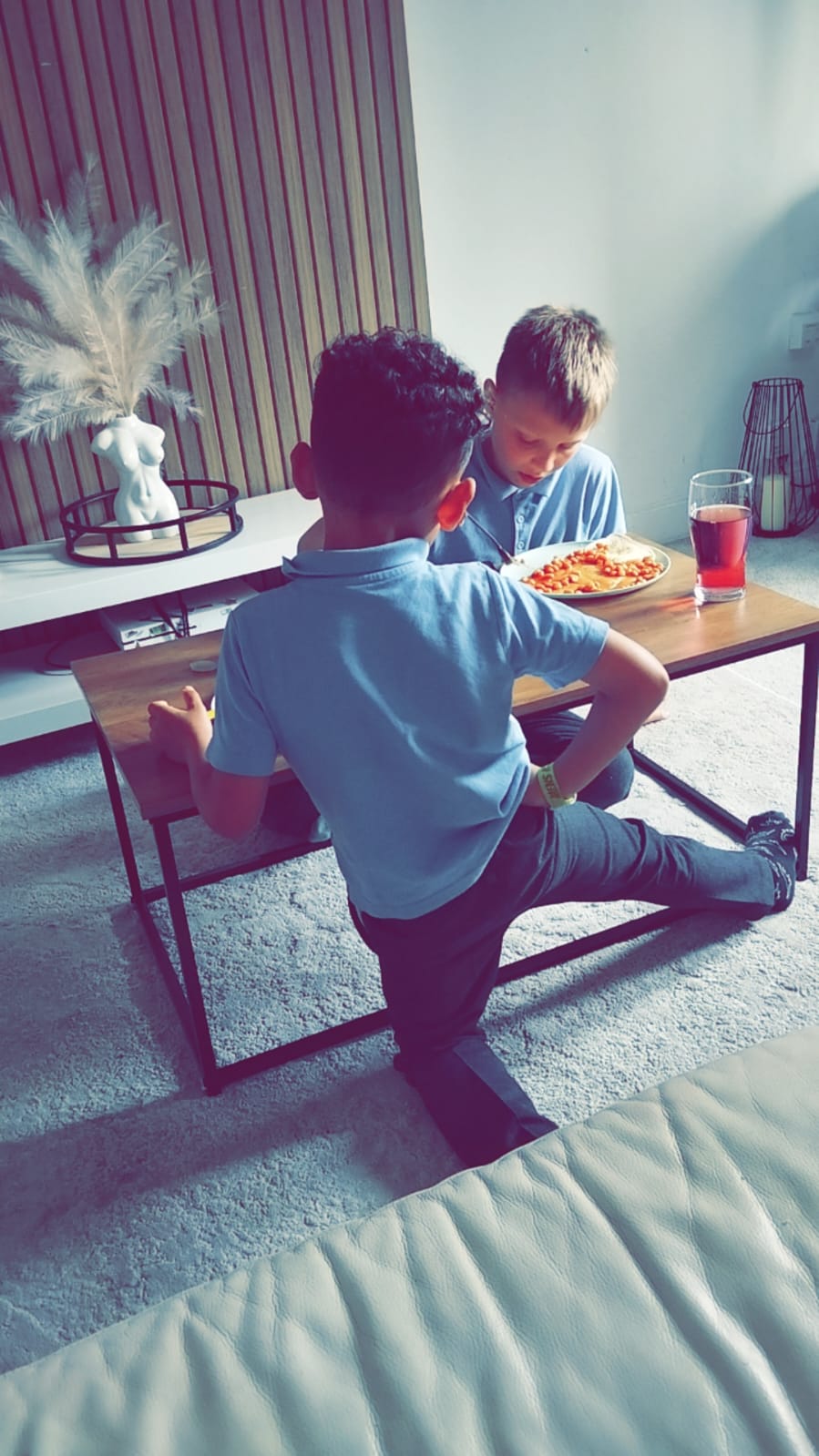
School support
Chloe You do pastoral, don’t you? Just because we’ve had, like I had a few tough years, years back, and stuff like that… so yeah, you enjoyed pastoral, didn’t you though?
Harry Yeah, she gave me juice and biscuits, Miss Fish. She draws with me and she lets me, she gives me juice and that. Cause she has her own office now and we just have it all to ourselves and we draw and we colour.
Chloe Yeah, the school are always…
Issac They are really nice to us.
Chloe They are nice to us, yeah. They are always offering any ways of support and asking if there’s anything they can do to help. Anything. So yeah, they are very supportive.
Tony’s diary
Tony, Katie, Aaron, Alfie, and Ella
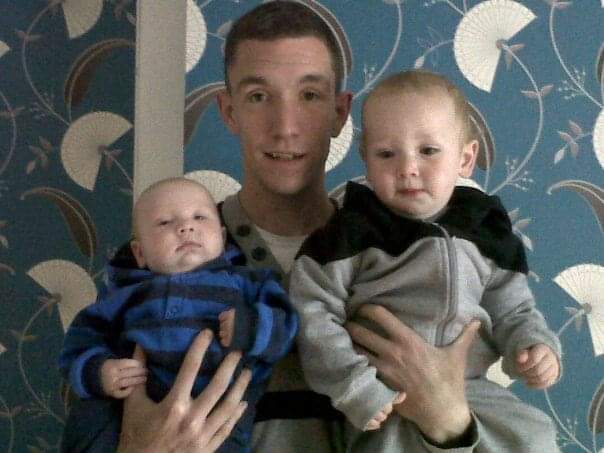
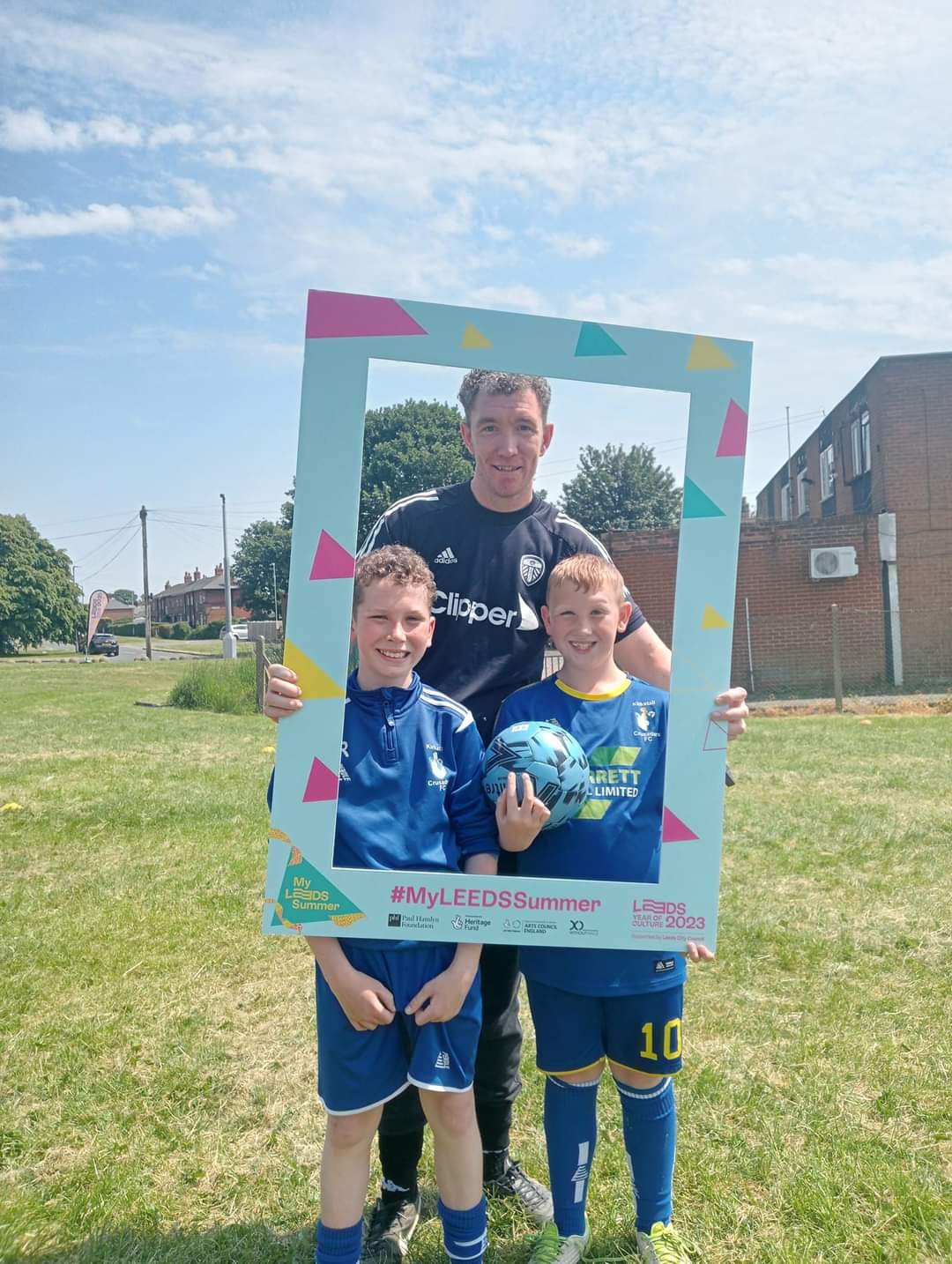
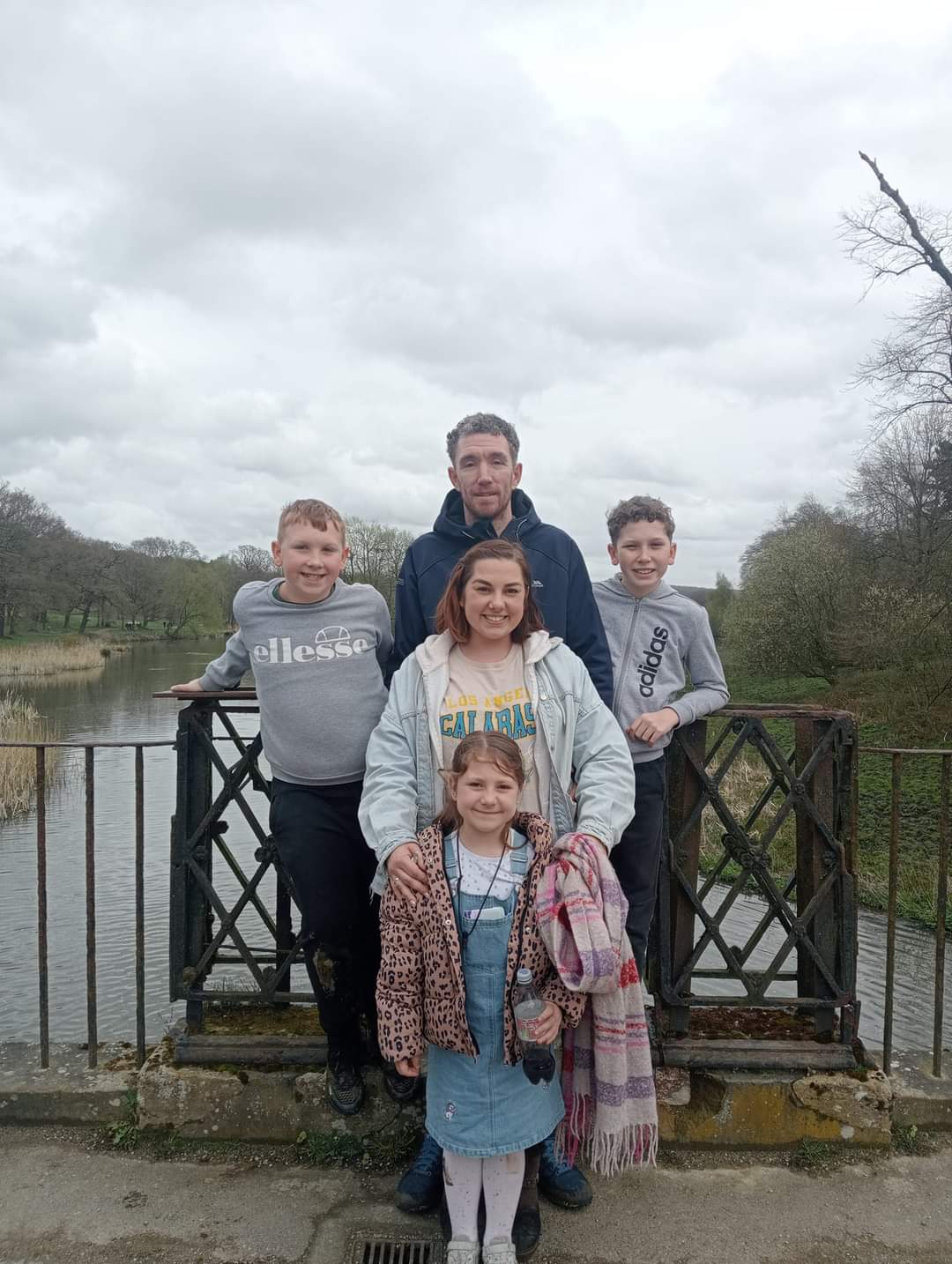
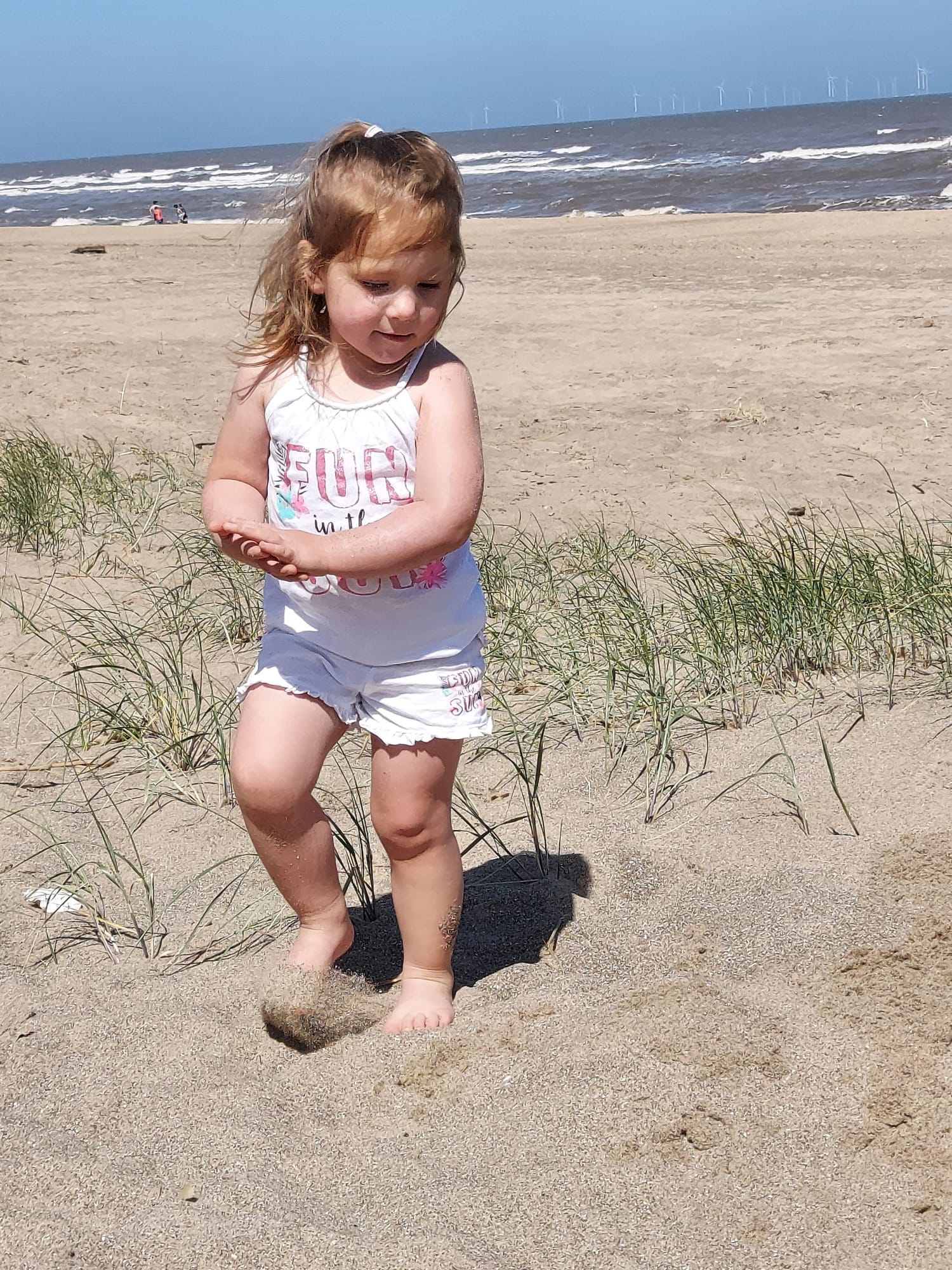
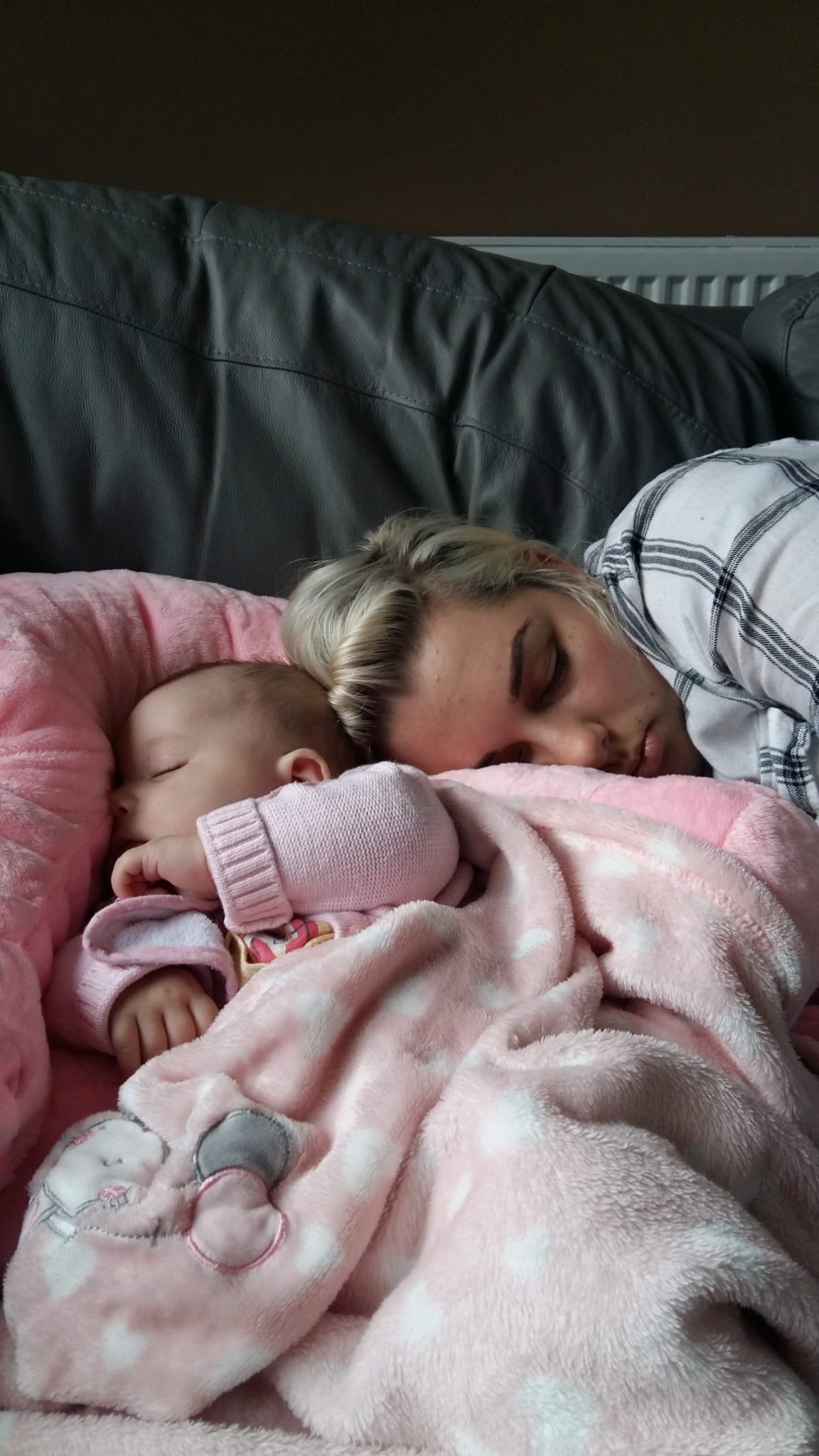
Tony became a father aged 21. He was a lone father to Aaron, aged 13 and Alfie aged 12. Katie became a mother aged 21 and was a lone mother to Ella, aged 7. Tony and Katie have been in a relationship for 5 years and now they live together with Aaron, Alfie and Ella, and have another baby on the way. They also have a pet dog.
How would you describe your parents?
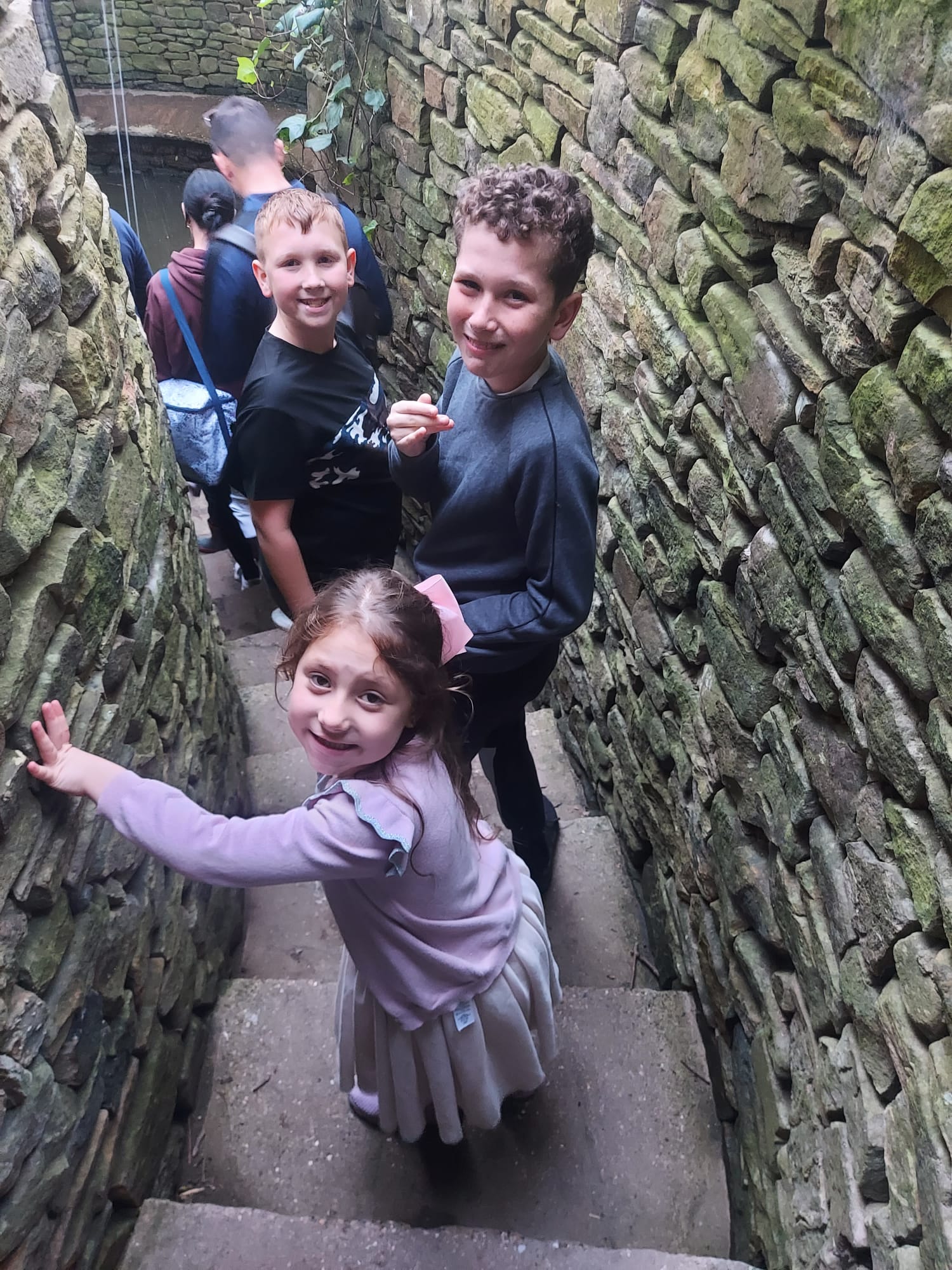
Alfie: My dad is amazing. Very thoughtful, very kind, and just the best. Aaron: He’s sometimes angry, sometimes sad, sometimes happy Ella: My mum is kind, nice and helpful. I love everything. Alfie: Kindness… An amazing family.
Being a young father, doing things differently
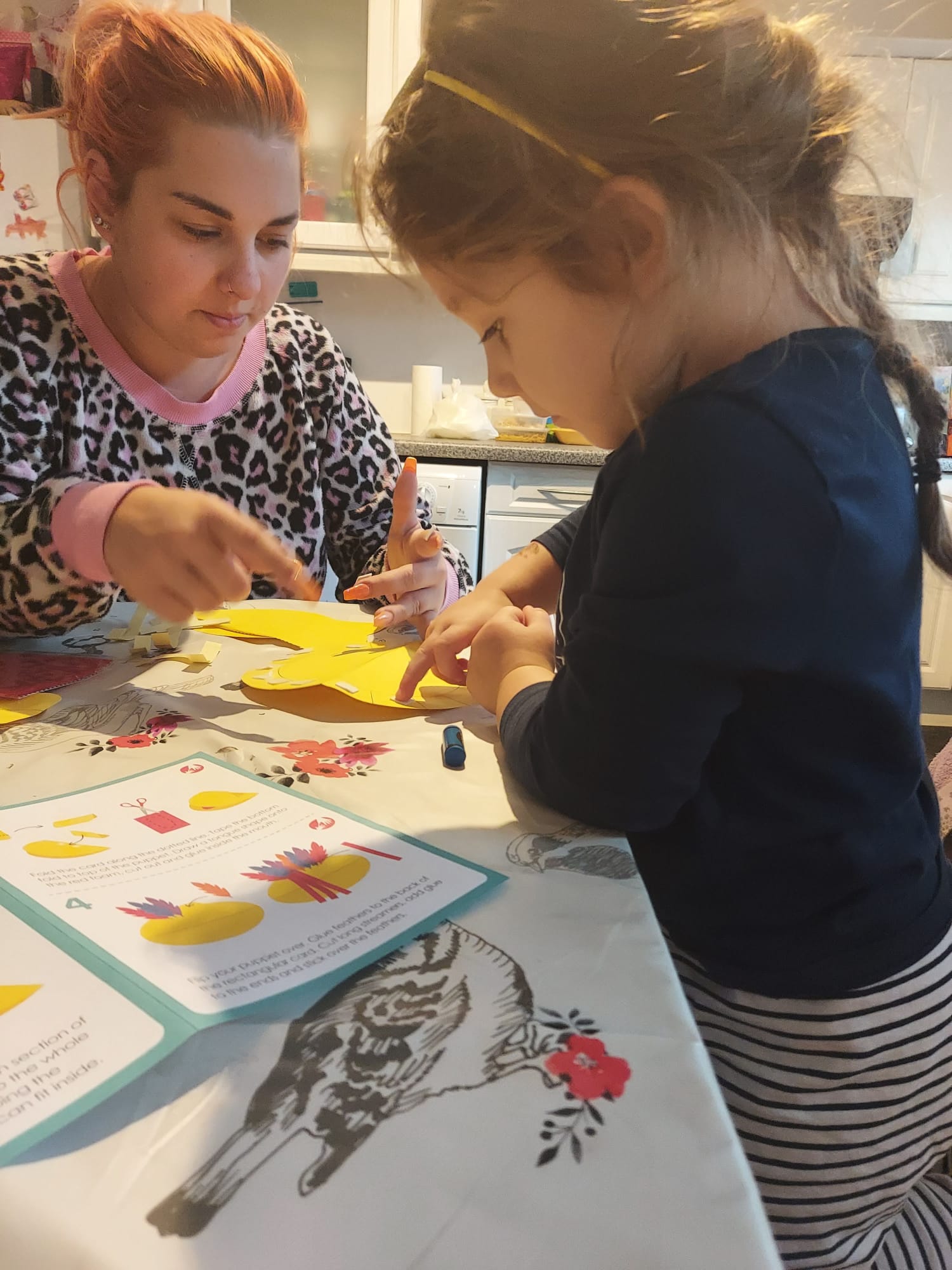
Tony: “It’s been good being a young dad. I’ve enjoyed it. It has been stressful, I’m not gonna lie. It has been a learning curve. So I were brought up in care, so I don’t have a father figure. I’ve not had a, you know, sometimes you look back at how your parent dealt with certain situations and I’ve just been winging it really. Made a lot of mistakes probably, but they’re here. They’re growing well. So I must be doing something right along the way [laughs]. It's nice to see the experiences that I’ve provided, the football matches, the football tournaments, the trophies, you know, just, I’ve genuinely tried my best for them, you know. Like I say, maybe I do not get everything right, but who does? You know, and for me personally, no-one ever tried for me. D’you know, and knowing that I have tried for mine, and will, then that’s all that matters.”
Support
“High school supports Alfie quite a lot, cause obviously he’s got his ADHD diagnosis. His EHCP he’s going through, so he gets quite a lot of support with that. But when they were younger, not a lot really. When the boys first came to me full time… I were brought up in care so when these boys presented me with the challenge that they did, the first thing I did was phone social services, because to me they’re my parents. You know, and I phoned them for advice and they’ve never once been to my house, never once questioned me, never once, because they know, you know, through their time working with me and also that the things I’ve done through my life, that my heart’s in the right place, you know. And I try my best and so they’ve not really felt the need to offer that support” (Tony).
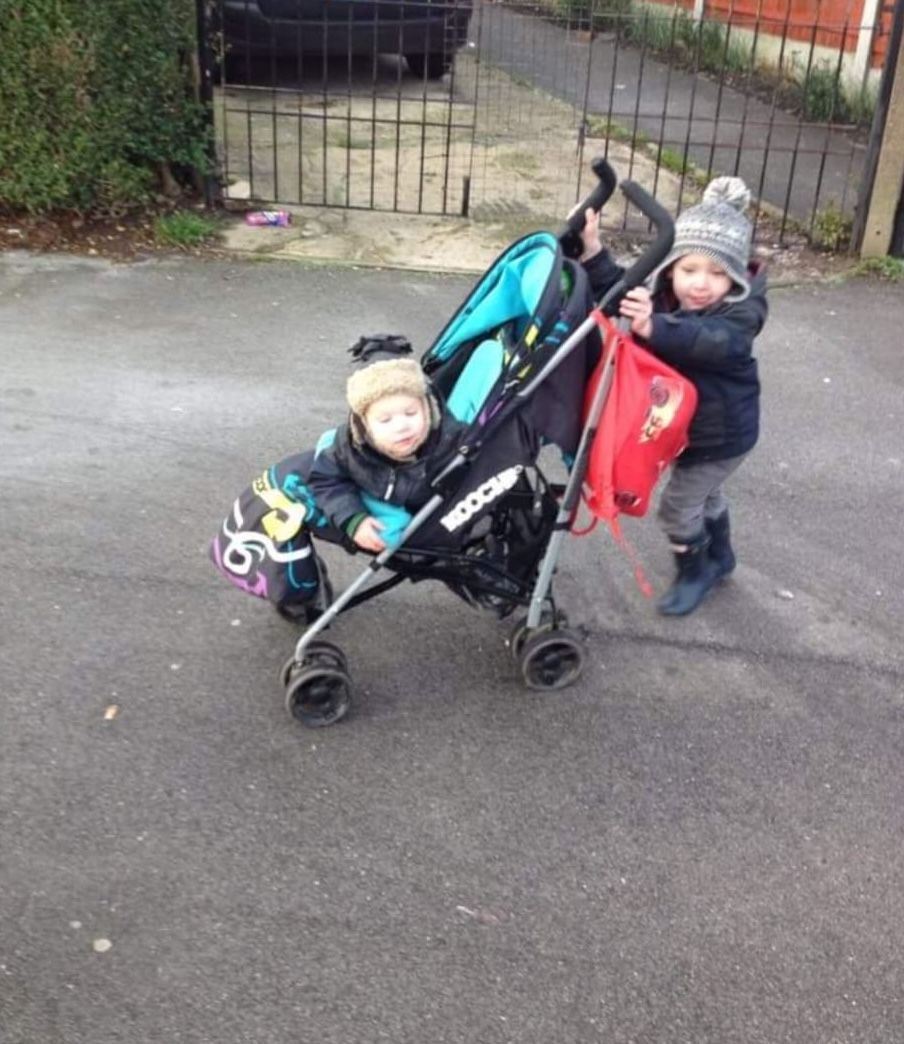
Financial inequality for young parents
Tony: “As younger parents we didn’t receive the same support as what was offered for maybe older people, like financially. And the money side of things, you know, it should be equal across boards, but it’s not because of how old you are. Because shopping costs the same. You don’t go into shop and supermarket asks you for ID and then your shopping’s cheaper because you’re 16. You know, it’s exactly the same, you know, and I think money and support should be the same cause it makes people feel excluded otherwise and that’s not fair really. Nappies, milk, wipes, it all costs exactly the same, it’s just…yeah, it’s just, I think some people who make the decisions and are in charge of making policies lose touch of reality”
Holidays
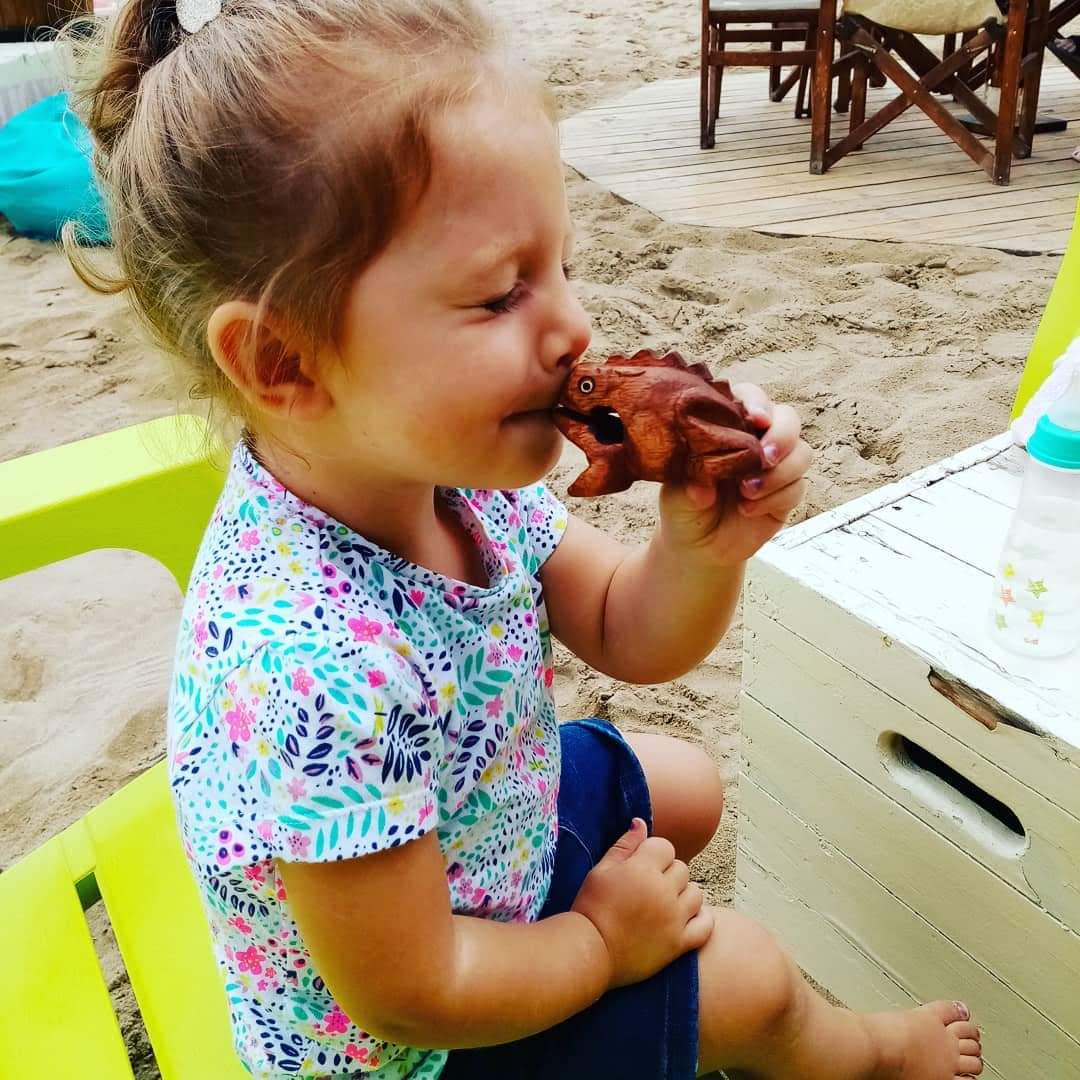
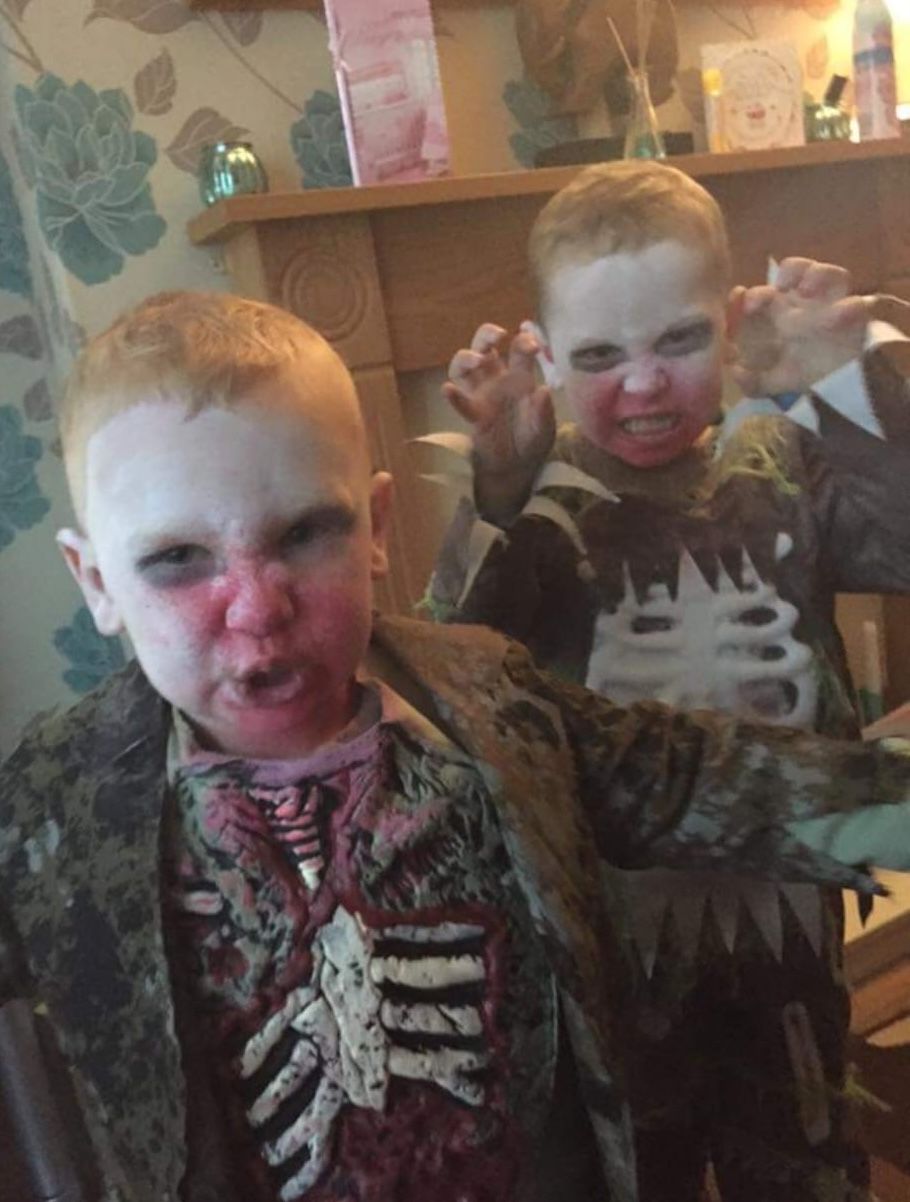
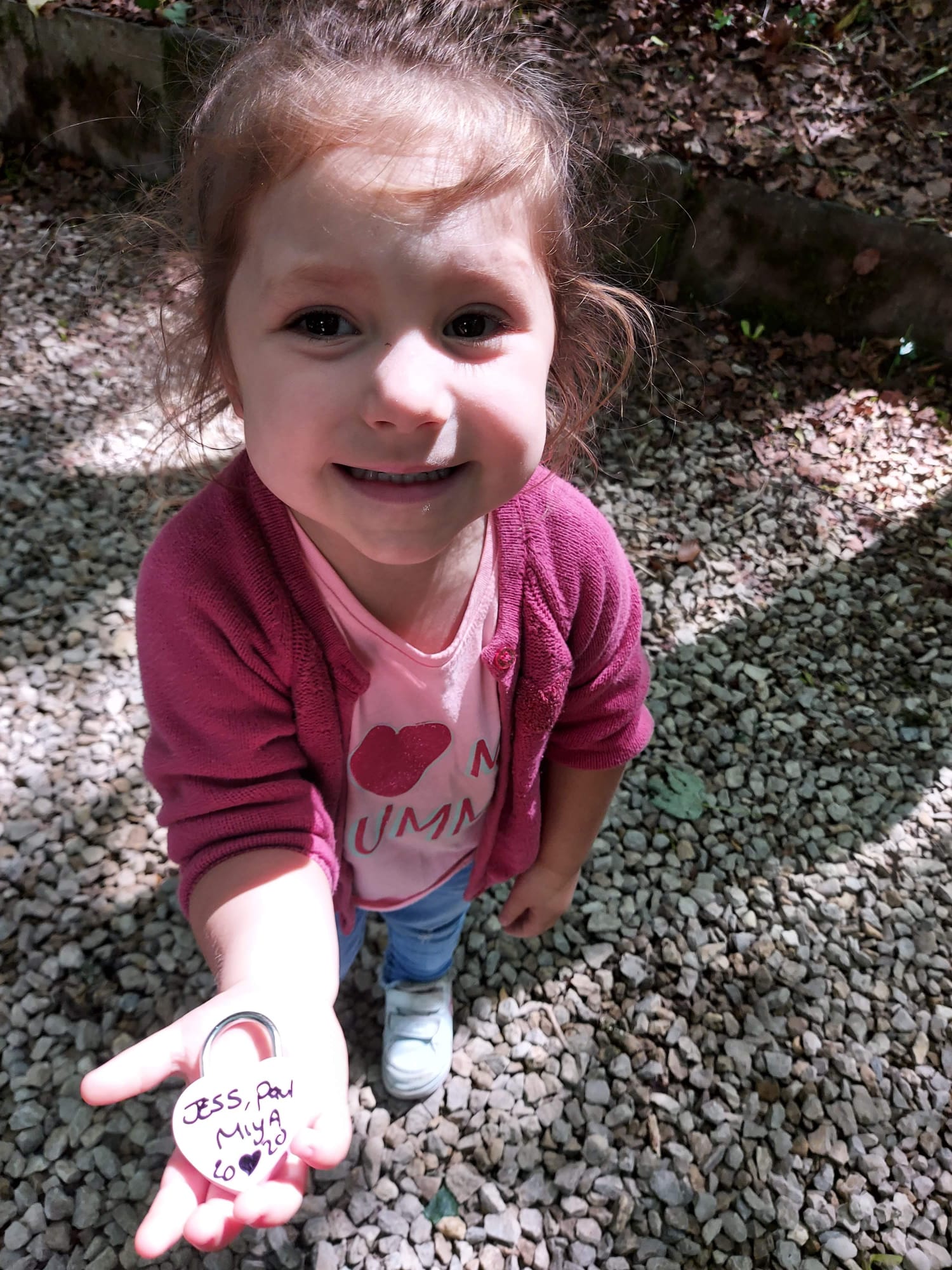
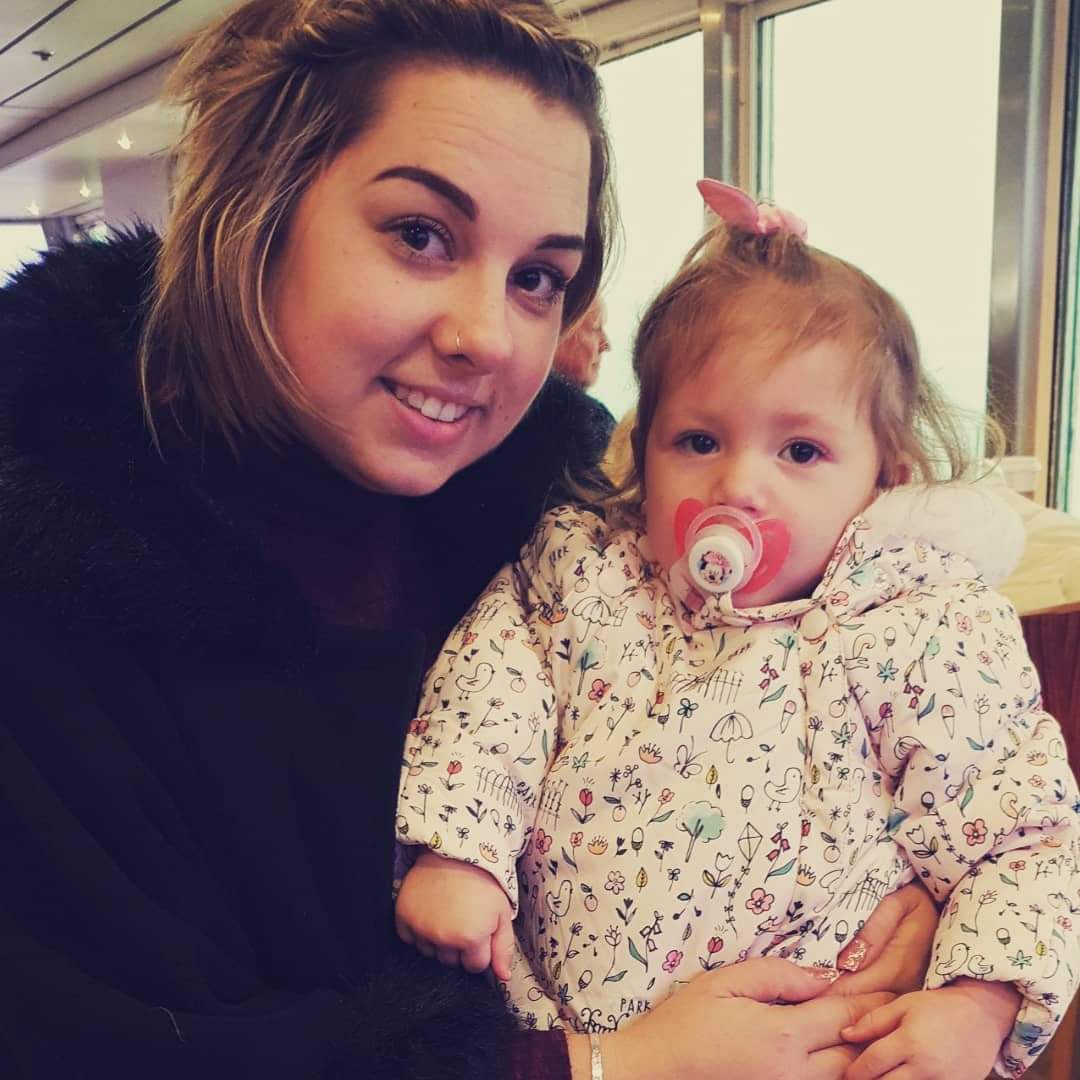
Katie: I went back to work very, very early, so my way of like feeling better about it was going on holiday [laughs]. So Ella’s been abroad every year. It were the one thing that made me feel better about working. We went with my mum to Bruge and we stopped in, we drove down to Dover, stayed in Dover, went round the market in, down there, and then one of days we got on a ferry over to Bruge. I mean, it were absolutely pouring it down wi’ rain, but it was so beautiful. And then in Bulgaria, that’s Ella being her true sassy self. And she were kissing a frog. She bought a frog toy. Ella: I didn’t kiss frogs! Katie: We’ve got picture proof of you kissing a frog!
Being a young mother
Katie: “You feel a lot more pressure being young and you get, you feel like people are looking at you like ah, look at her, she’s young, you know, she’s by herself. You can only do your best. Young mums can do it. I mean, thankfully, like, I had my mum. Like, I relied on my mum a lot. Which it’s gonna be different this time round because I’m not gonna need to lean on her like I did”.
Playing at home
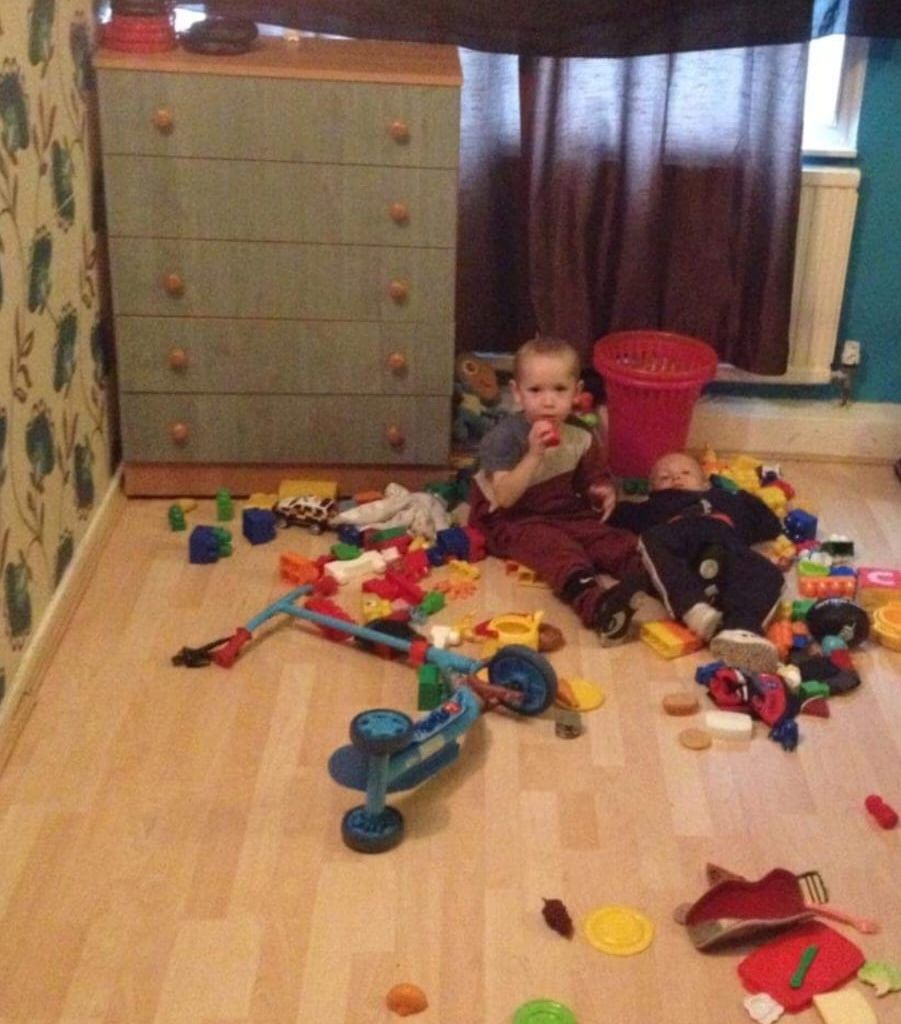
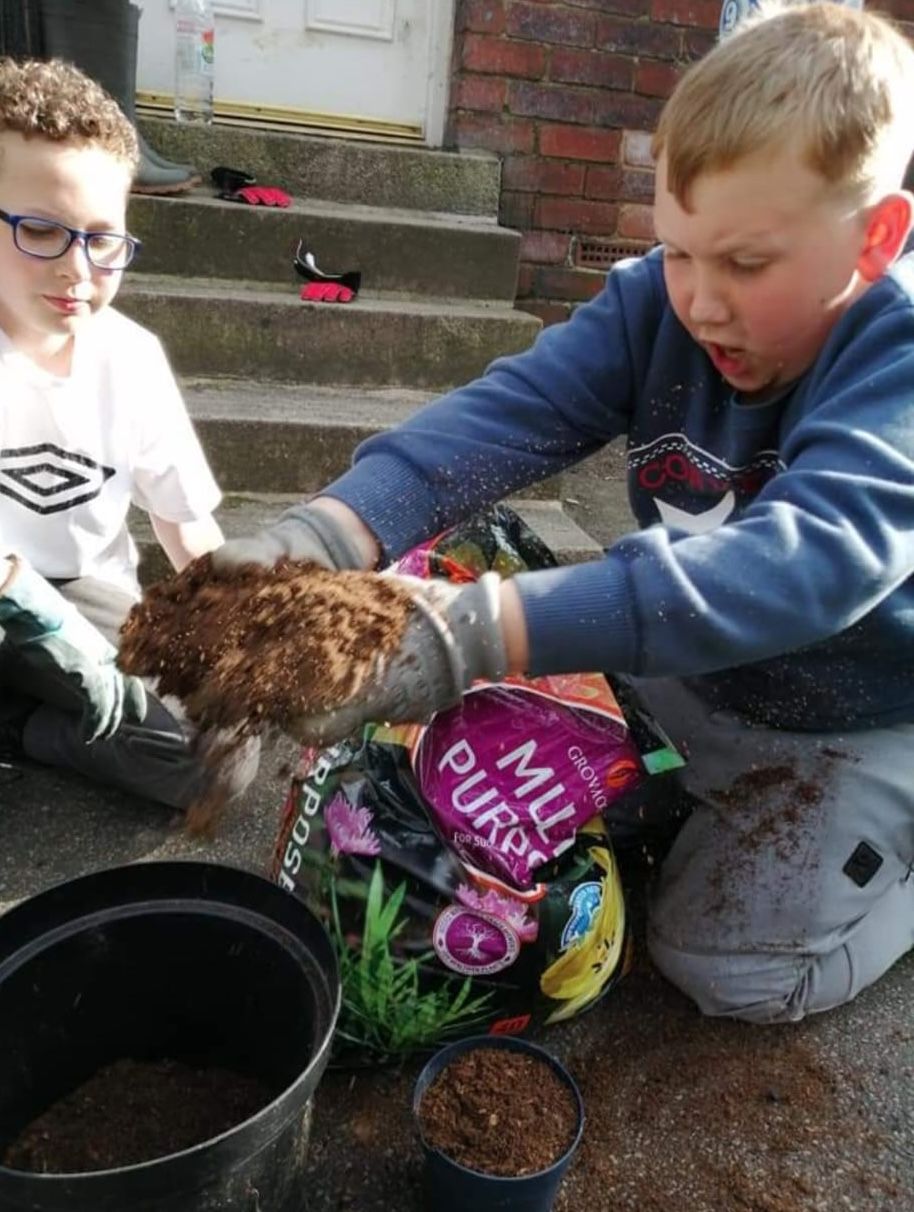
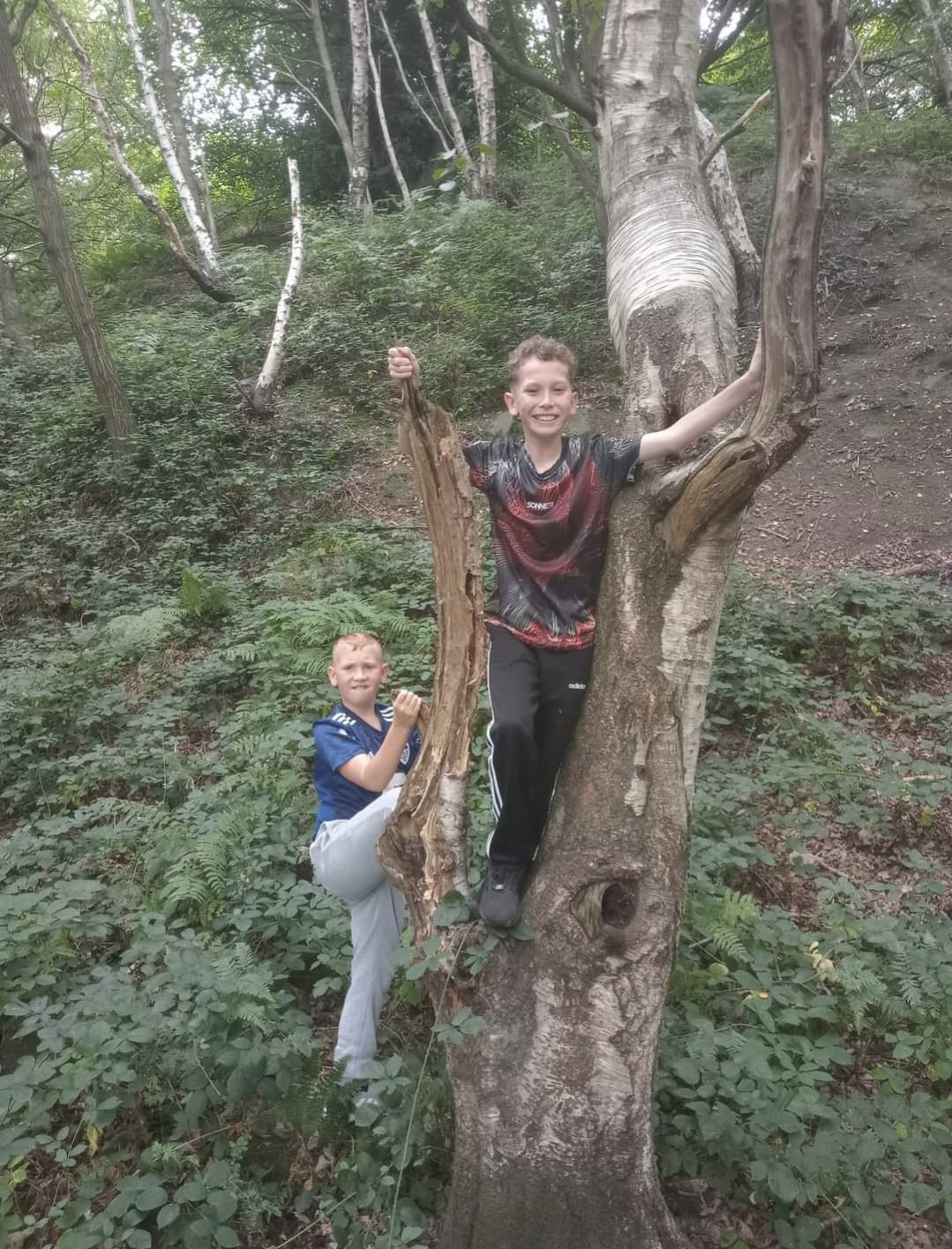
“These 2 were quite happily playing in their bedroom while I was cooking tea, and then the next thing I hear a big [makes crashing noise], and I go up to them and Alfie’s laid on the floor laughing and Aaron is sat there laughing and then it obviously transpired Alfie had been trying to get something out of the bottom of the basket and Aaron had kindly helped his brother reach the bottom of the basket But it’s made them go flying all over [All laugh] I chose that picture because it’s a messy room, innit, and that’s what it is, kids make mess, you know, they play and mess. And now, 13 and 12, and their bedroom’s not far off from being that now, you know. So it’s just an insight into what being a young parent was like. It’s messy, it’s tiring, but they’re here, you know, they’re happy most of the time, you know, they’re doing well at school and in football and, you know, we musta done something right. Must’ve. Done a lot better than what my parents did anyway” (Tony).
Living together
“They’ve known each other a long time, cause they were all quite young and then the dynamic has changed massively, cause with baby being on the scene, me and Katie both said we wanna do it right this time round. Obviously both been single parents, me being a weekend dad, Jess being a full-time mum and struggling with that dynamic, we wanted to make sure we did it properly this time. And obviously there’s times where they get on like an absolute house on fire, and then there’s times where they can’t stand the sight of each other. It’s just what I would say I think a normal family is like. You know, you’re not gonna like everyone every day, you’re not gonna get on every day, you know, it’s about finding ways of dealing with each other and moving forward with that. But there has been times where they’ve all shown that they are happy with what’s going on” (Tony).
Adventures together
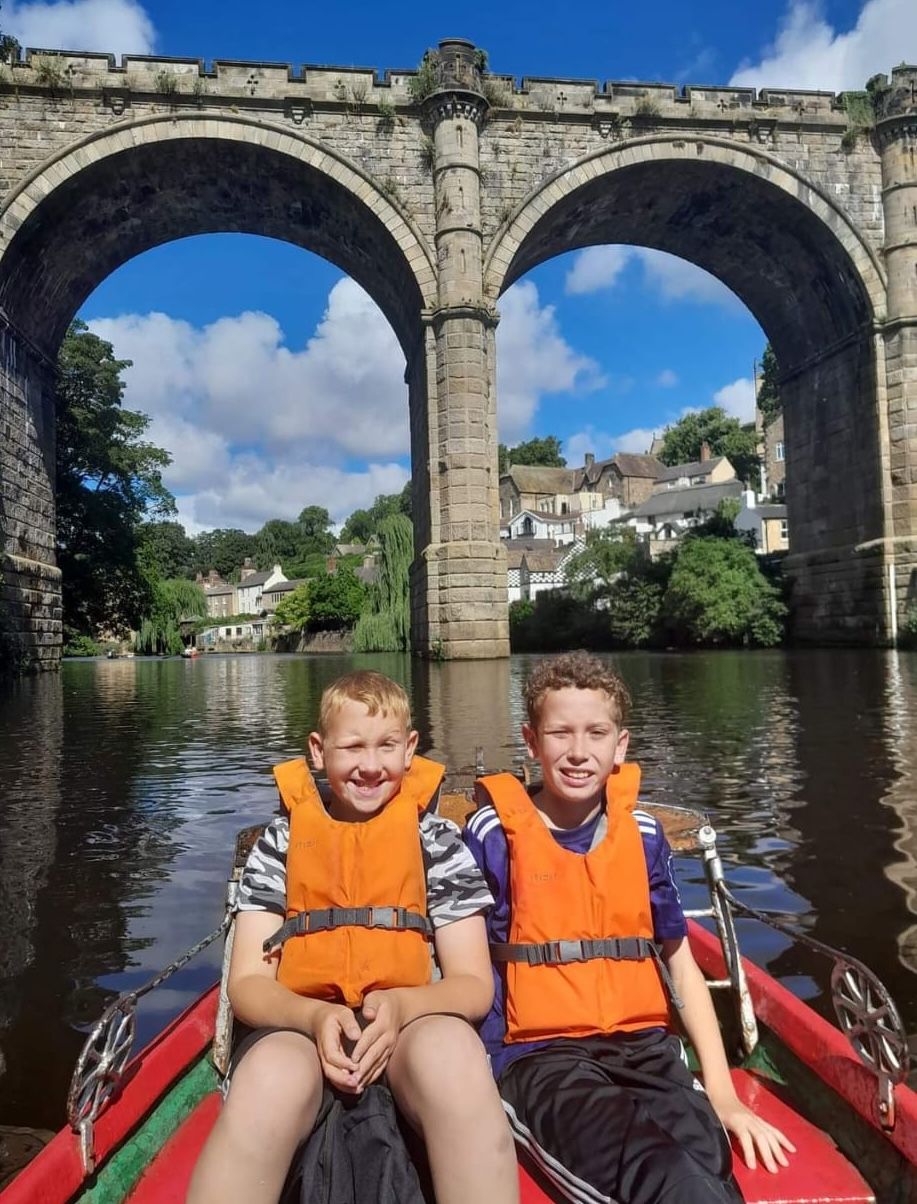
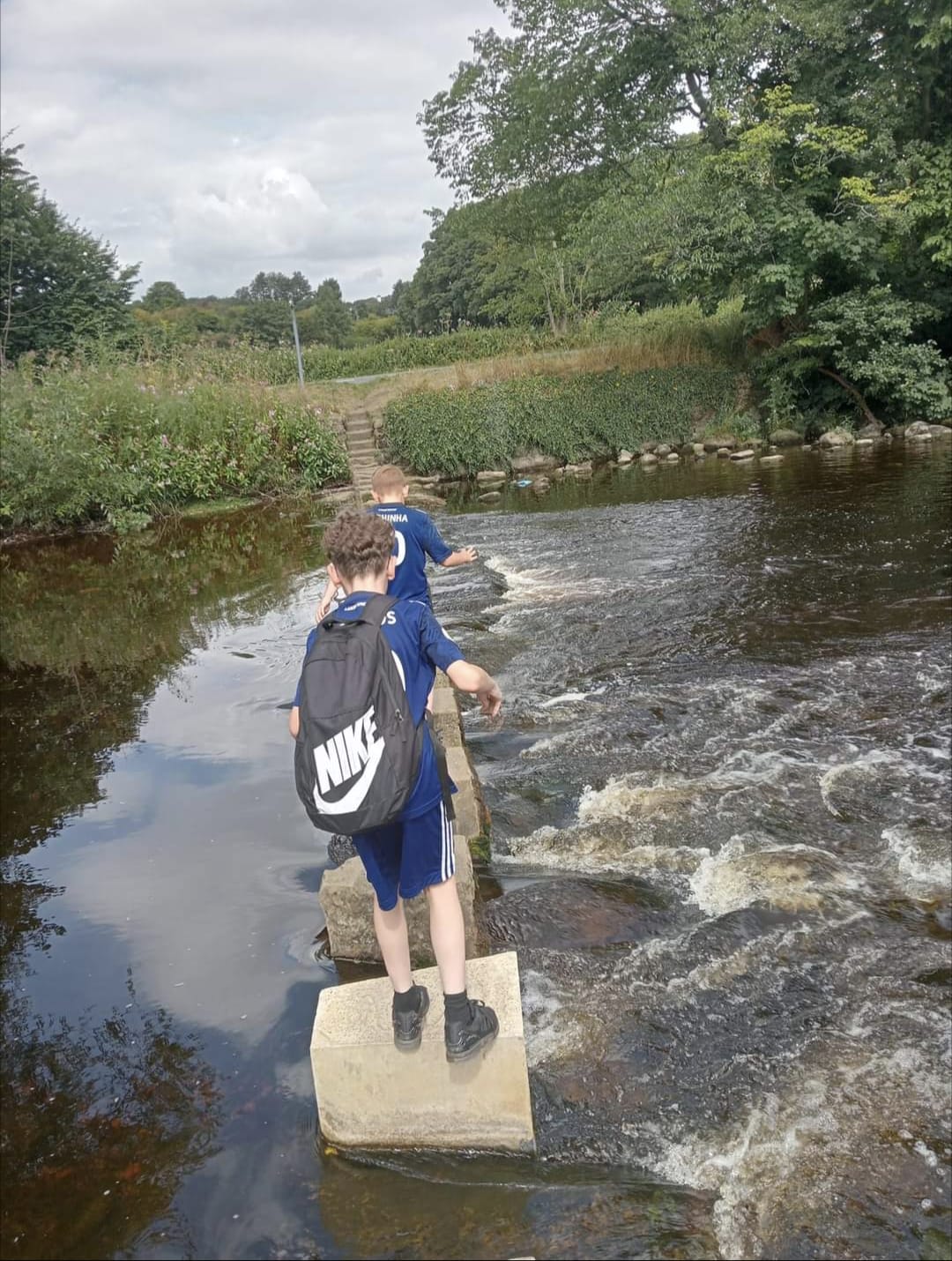
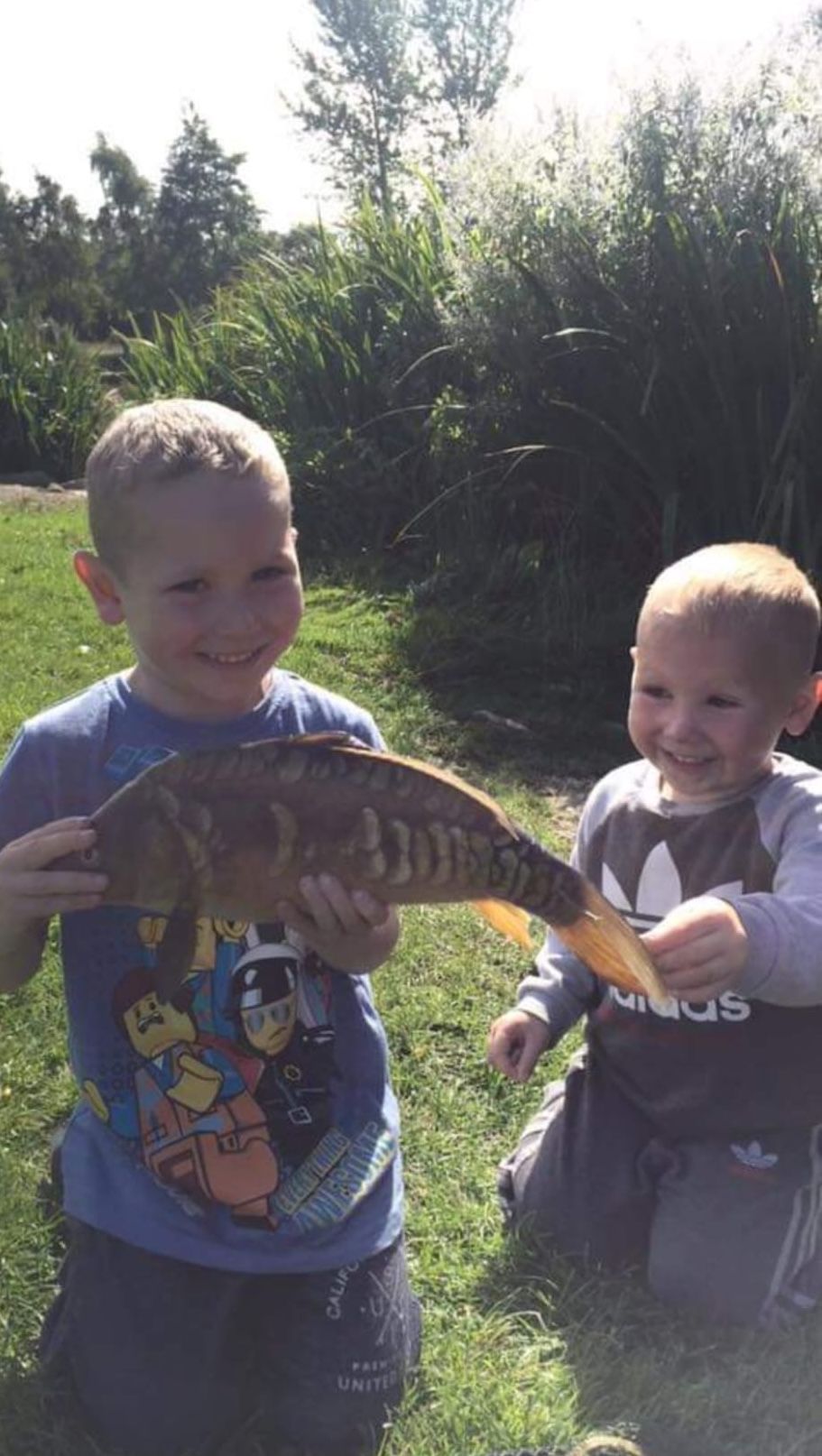
Tony: We’ve caught loads of fish. Loads of big fish as well. That’s one of the smallest ones. As you can tell by Alfie’s face, he’s absolutely amazed by this fish. And then this is during Covid when we were planting strawberries. And then that’s when we went rowing. Do you remember when we went to Knaresborough on row boat. Aaron: Tipped over the boat. Tony: And I crashed it into someone else’s boat. Then down the river from the Lido I chose this picture because it’s them leading the way, which is pretty much our family life. They lead, I follow. But that day, we walked down that whole river, didn’t we? Remember? But we didn’t just walk down the river bank, we walked in the river. We were like waist deep in river water, weren’t we? Do you remember? And then we tried to catch fish with us bare hands [all laugh]
Lack of support for young dads
Tony: “You had to be a certain demographic to access certain things, and obviously, like for me personally there was a lot of mums’ groups, a lot of this, like, directed at helping single mums and stuff like that, but there’s nothing for single dads. Because dads aren’t expected to do what I did. You know, they’re not, and like even during pregnancy now, like it’s still very, and it should be, very focused on mum because obviously mum and baby’s main part, but there’s also another part to that, you know, there’s dads and there’s other siblings and stuff.”
Reflection
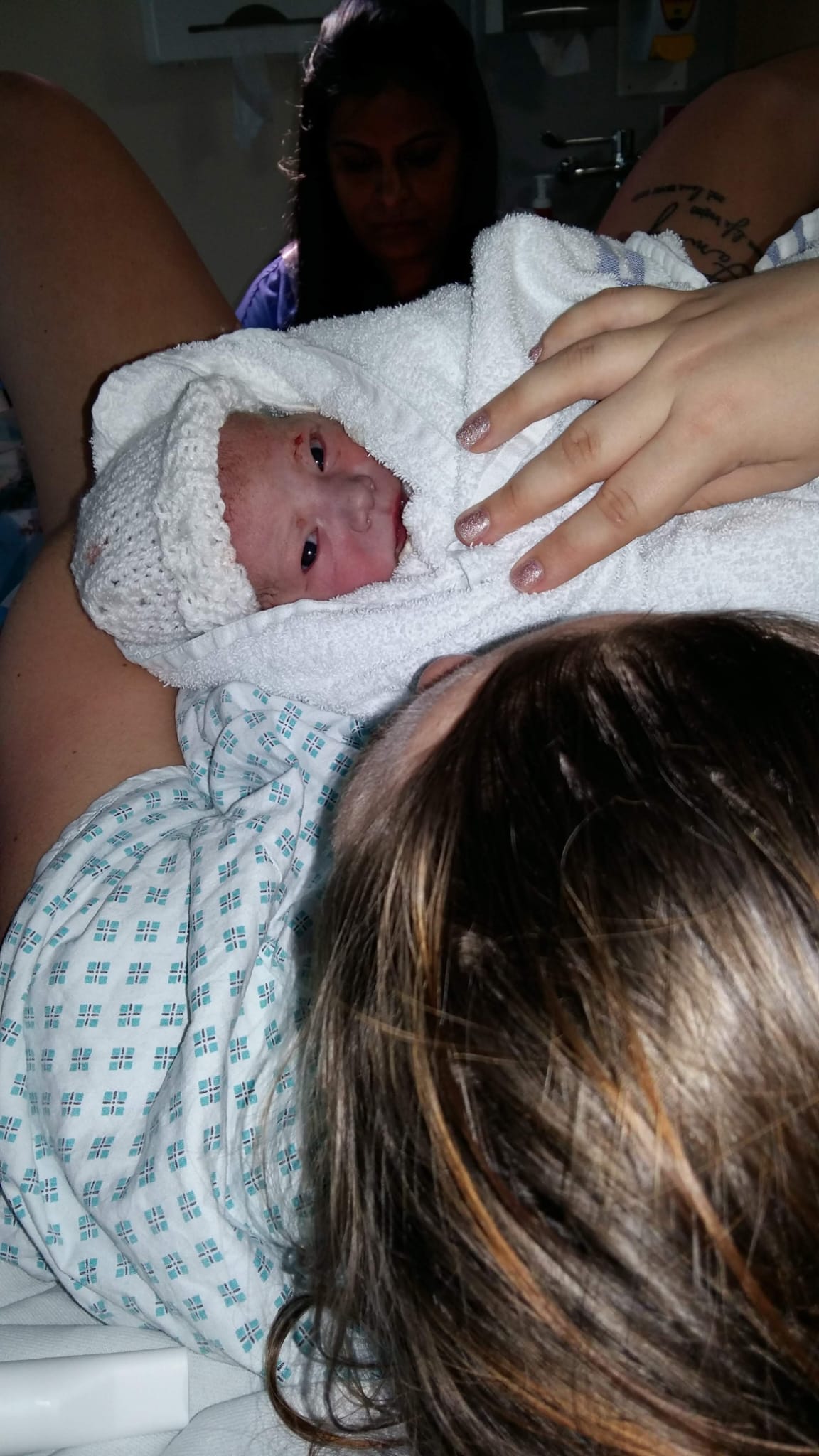
Tony: “I mean, for me personally what this, like looking through photos today, cause obviously you take pictures, you put them in your little album and then you very rarely do look back at them, but obviously looking through photos, it kind of reiterated to me that I tried my best. I really have. Like, you know, to be a single dad with two boys and provide them with every experience I have It's nice to see the experiences that I’ve provided, the football matches, the football tournaments, the trophies, you know, just, I’ve genuinely tried my best for them, you know. Like I say, maybe I do not get everything right, but who does?”
Emily’s diary
Emily, Luke and Grace
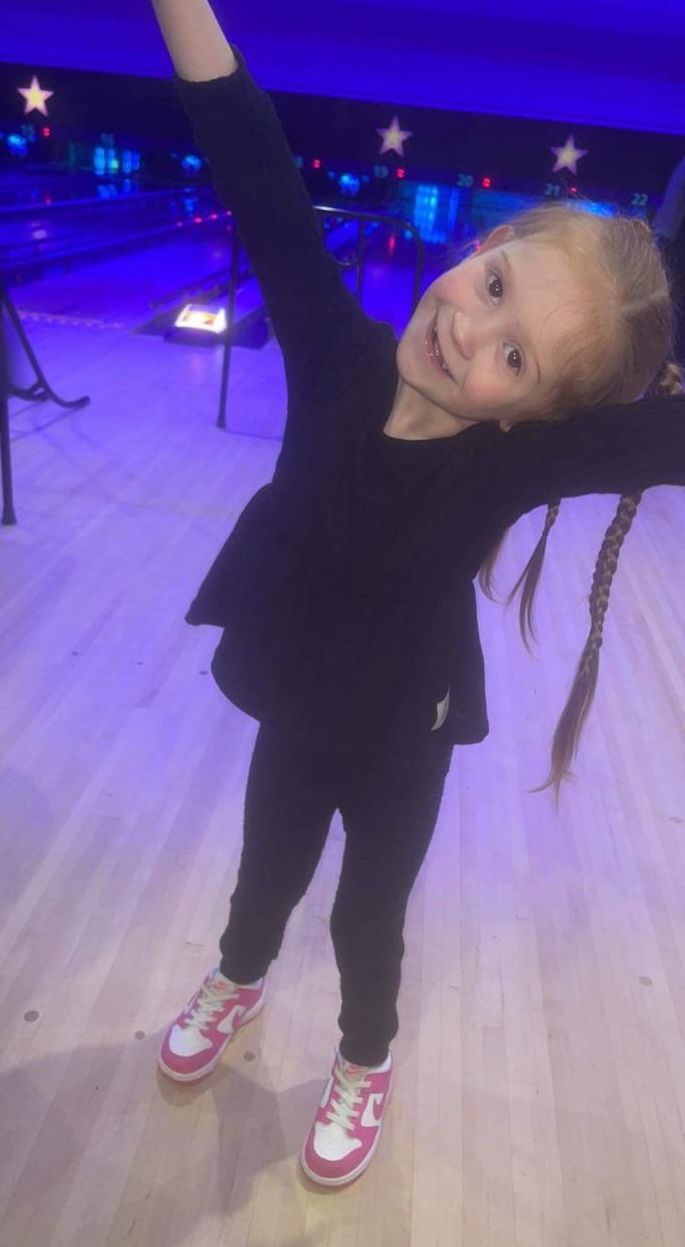
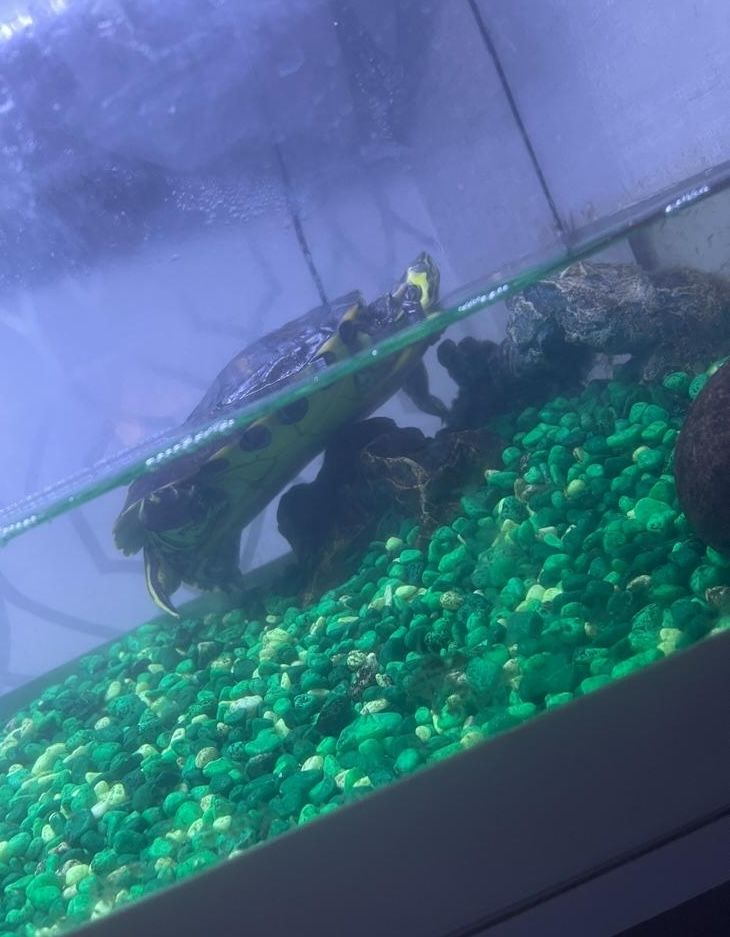
Emily and her partner Luke planned the pregnancy after being together for 2 years. Emily was 19 and Luke was 22 when Grace was born. The 3 of them live together with their pet turtle. Grace has some serious health conditions that require lots of hospital trips. Luke works long hours, but they get lots of support from their wider family. They like to go on caravan holidays and for fun days out together. Grace is a cheerleader for Leeds Rhinos.
Playing together
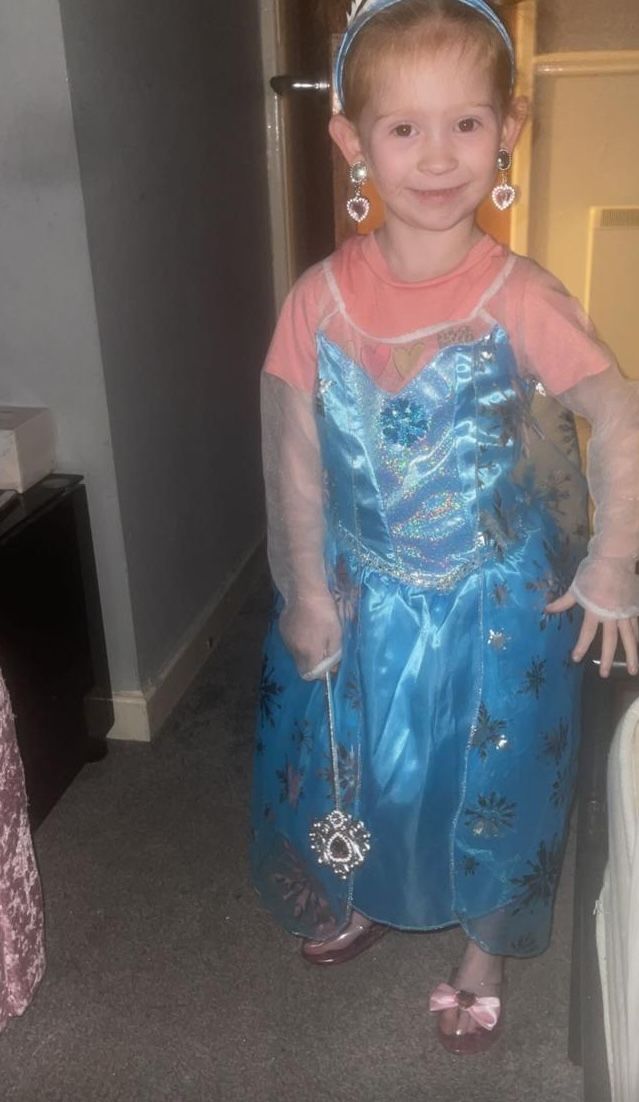
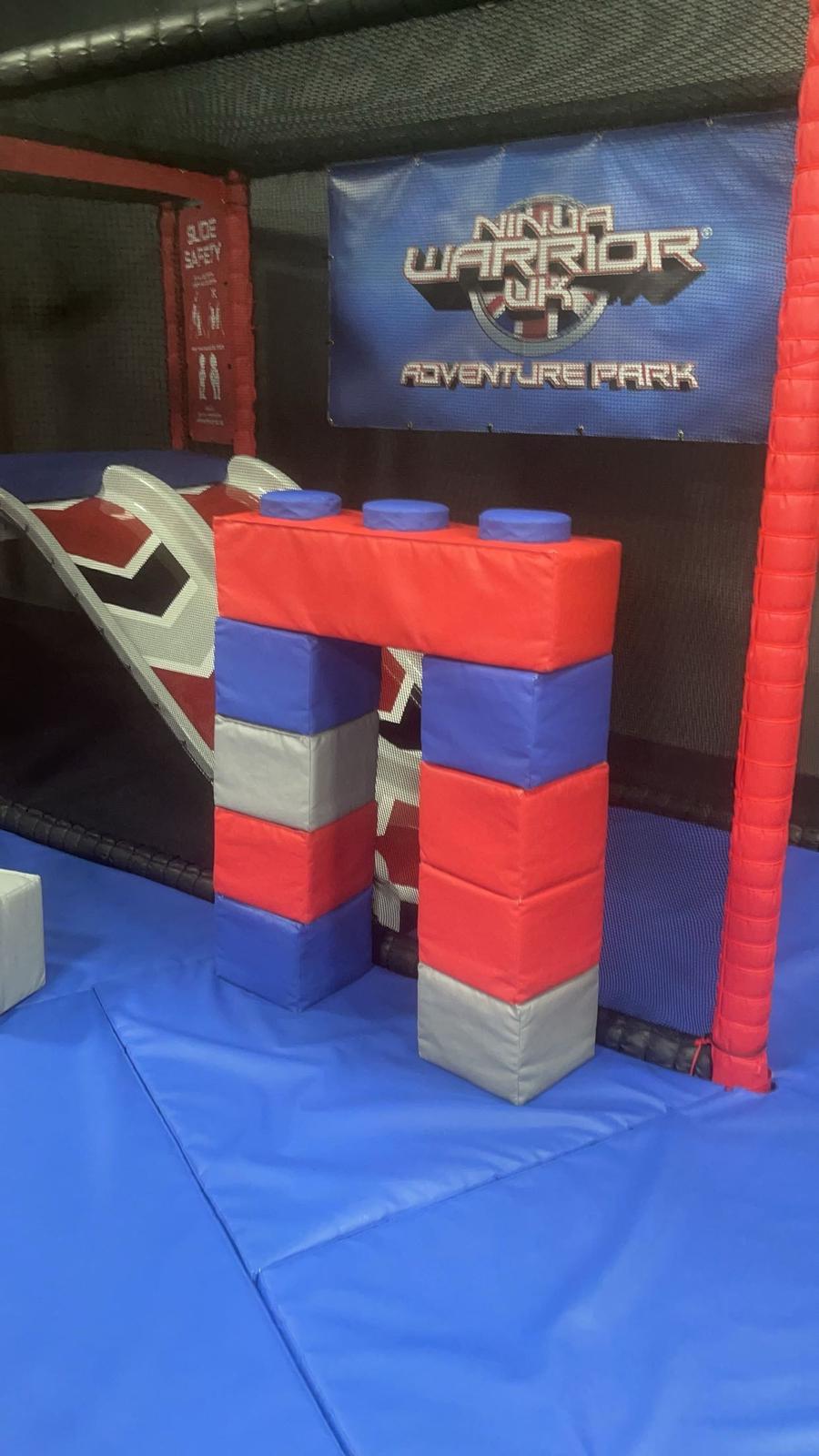
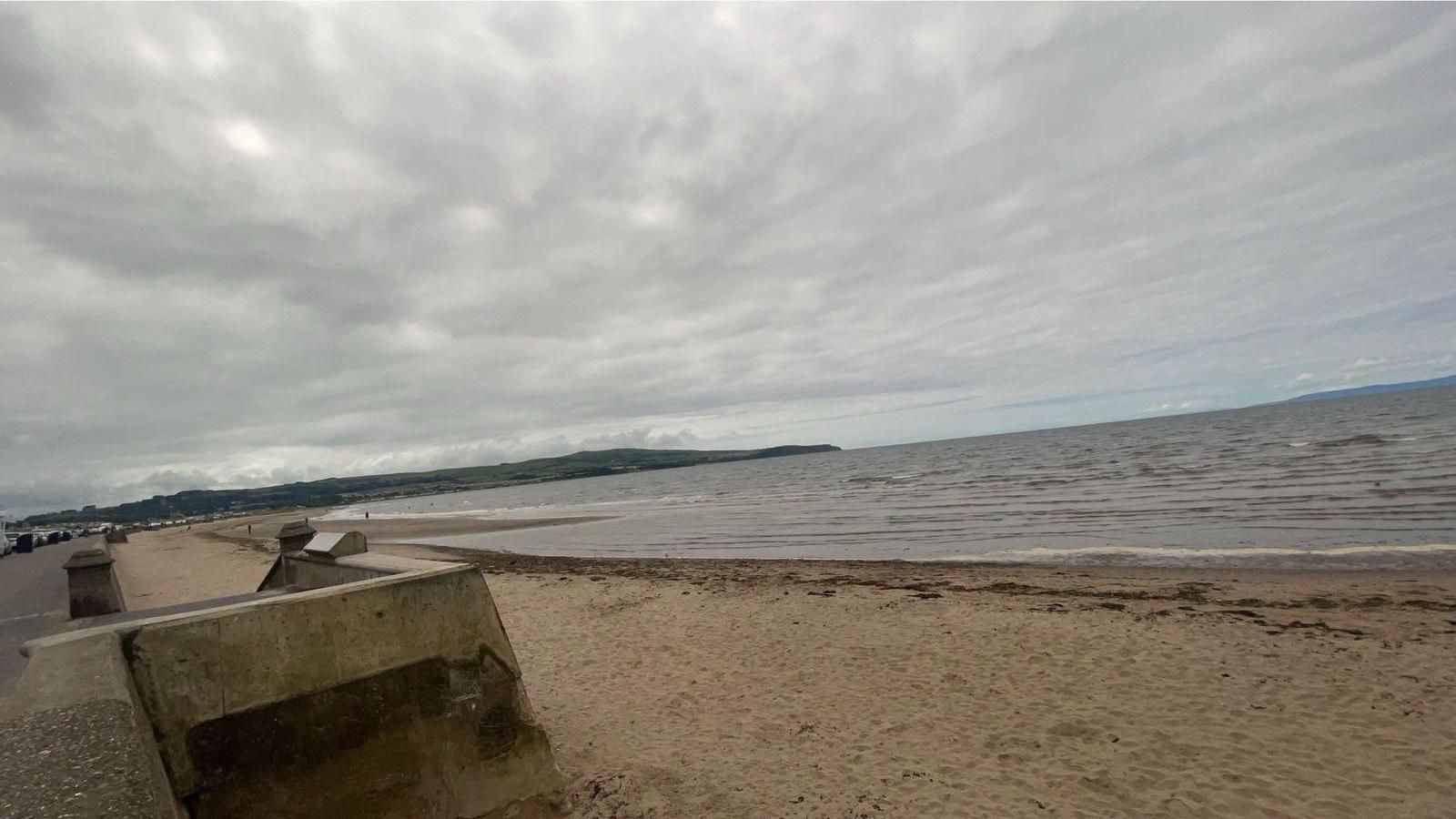
Grace: My favourite thing to do with mummy and daddy is go to Ninja Warrior. And the park. Emily: Me, her and her dad went to Ninja Warrior. Her dad gets a bit awkward cause he’s got anxiety… Whereas I’ll go on the slides with her [laughs] and slide down… and run about like a little kid with her [laughs]. Grace: You’re a good mummy! When mummy can drive we’re gonna go to the beach! And my Daddy!
Being a young parent
Emily: “Even if you’re young you can still be a good mum and take them places and kind of let them express themselves no matter what age you are as a parent. We can do it, even if your child has a disability or even if your child has needs. Or even if your child’s just a normal typical child we can still be successful and we can still be good parents. I don’t really have much confidence in myself so I find it hard to like compliment myself. But I’m proud that, just seeing her face when we’re going places, it makes me proud that she’s happy. And I, like even though I don’t feel confident that I’m a good mum, knowing that Grace is happy and seeing her happy knows that I must be doing something right.”

Becoming a young parent
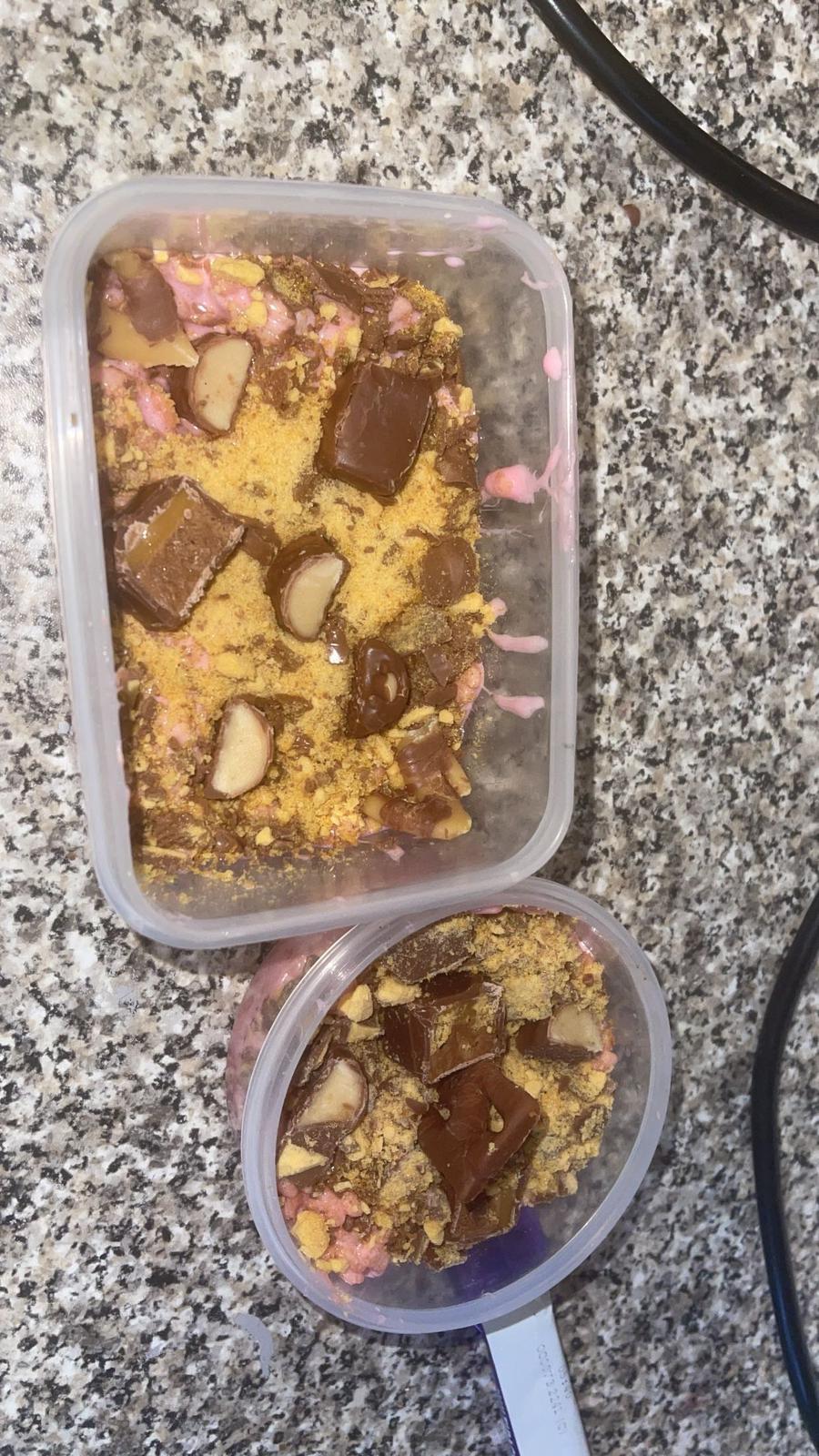
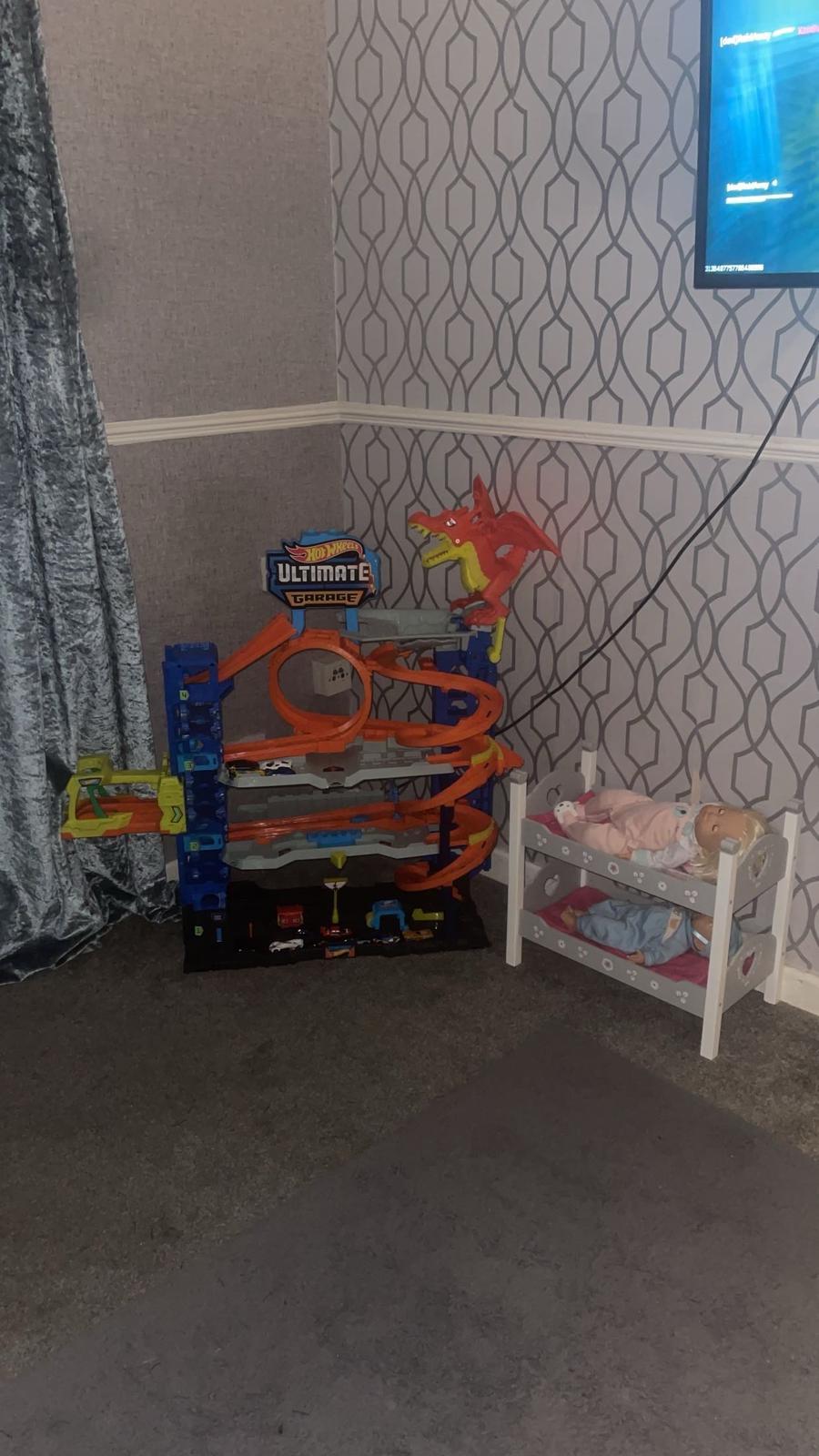
“I was working in a nursery and I ended up having to go on sick. And then my contract was up so then I couldn’t work any more. Because I was so unwell in my pregnancy that I just, I was in bed constantly. It was awful [laughs]. And then I ended up like getting really depressed from it because I were used to, like I went to school and then I was at college. And then when I left college I got a job and worked in the nursery and then I was just like stuck at home. And the after that I just kind of had a baby so it was like… all about me and then I ended up being stuck in with this baby and it was just, it was crazy. I remember just feeling so low because I didn’t, I’d barely seen any a’ my friends either after that. It’s like really life changing at first I think.”
Days out together
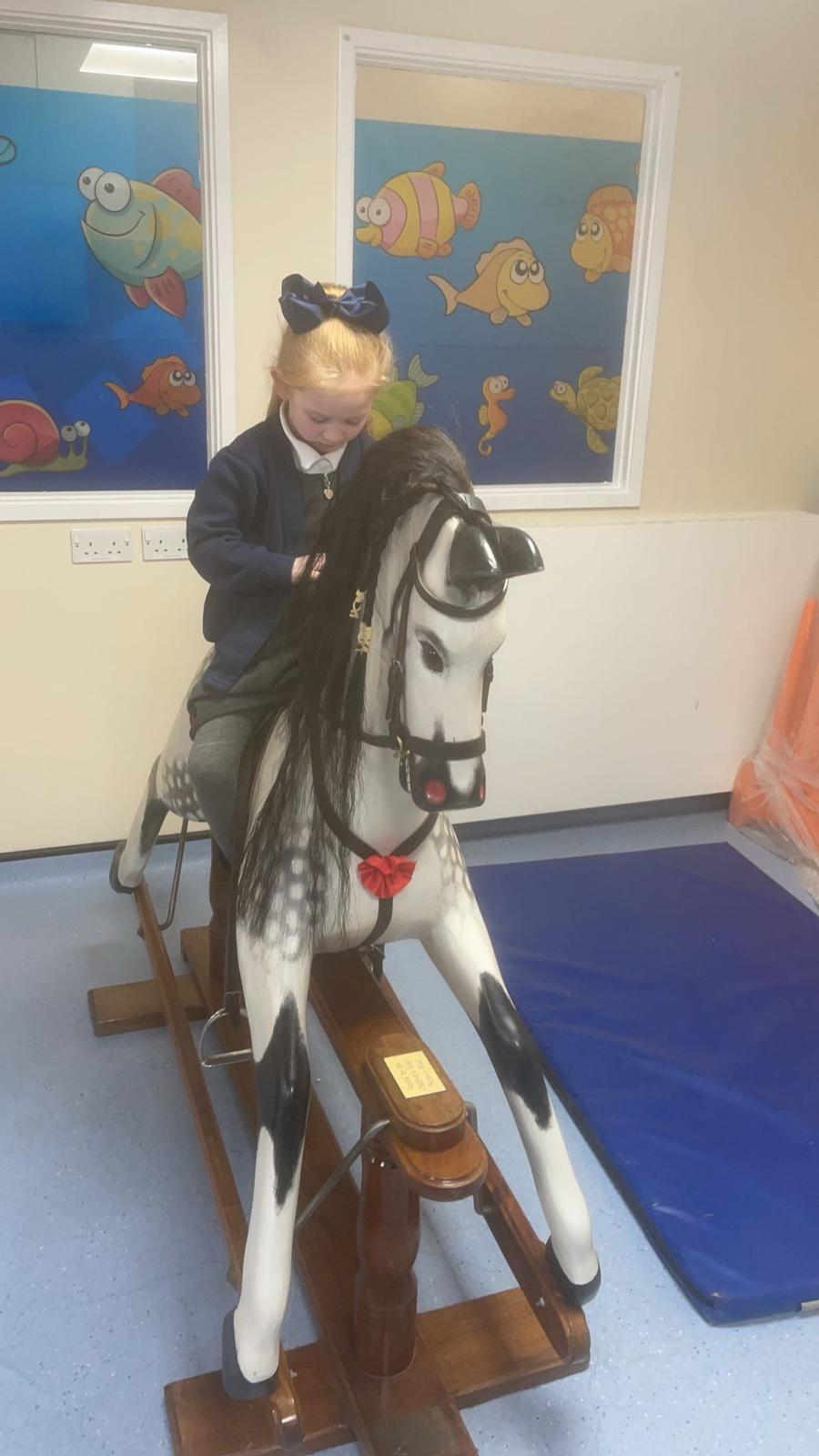
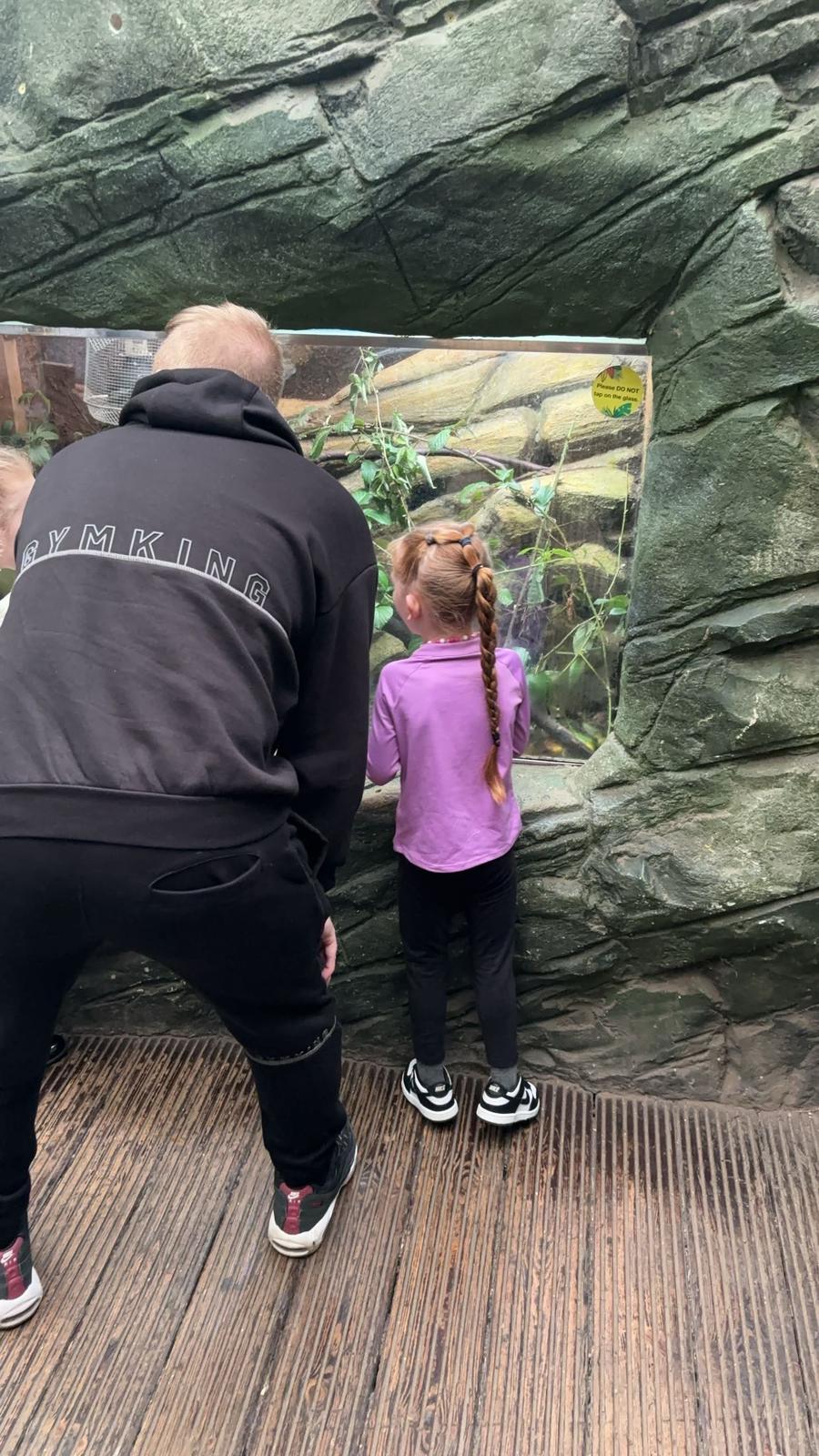
“We go to farms and soft play in the holidays because I feel like when they’re at school, so Grace struggles. She struggles with the transition of coming to school and settling in because she struggles with the learning. And so…she’s basically under a paediatrician and stuff. There’s quite a lot of health conditions and like learning delays and development delays. So I feel like when she’s at school she kinda masks all her emotions. So when we go to places like that she kind of lets free a little bit and I just think it’s nice for her to just let go of her emotions sometimes” .
Caravan holidays
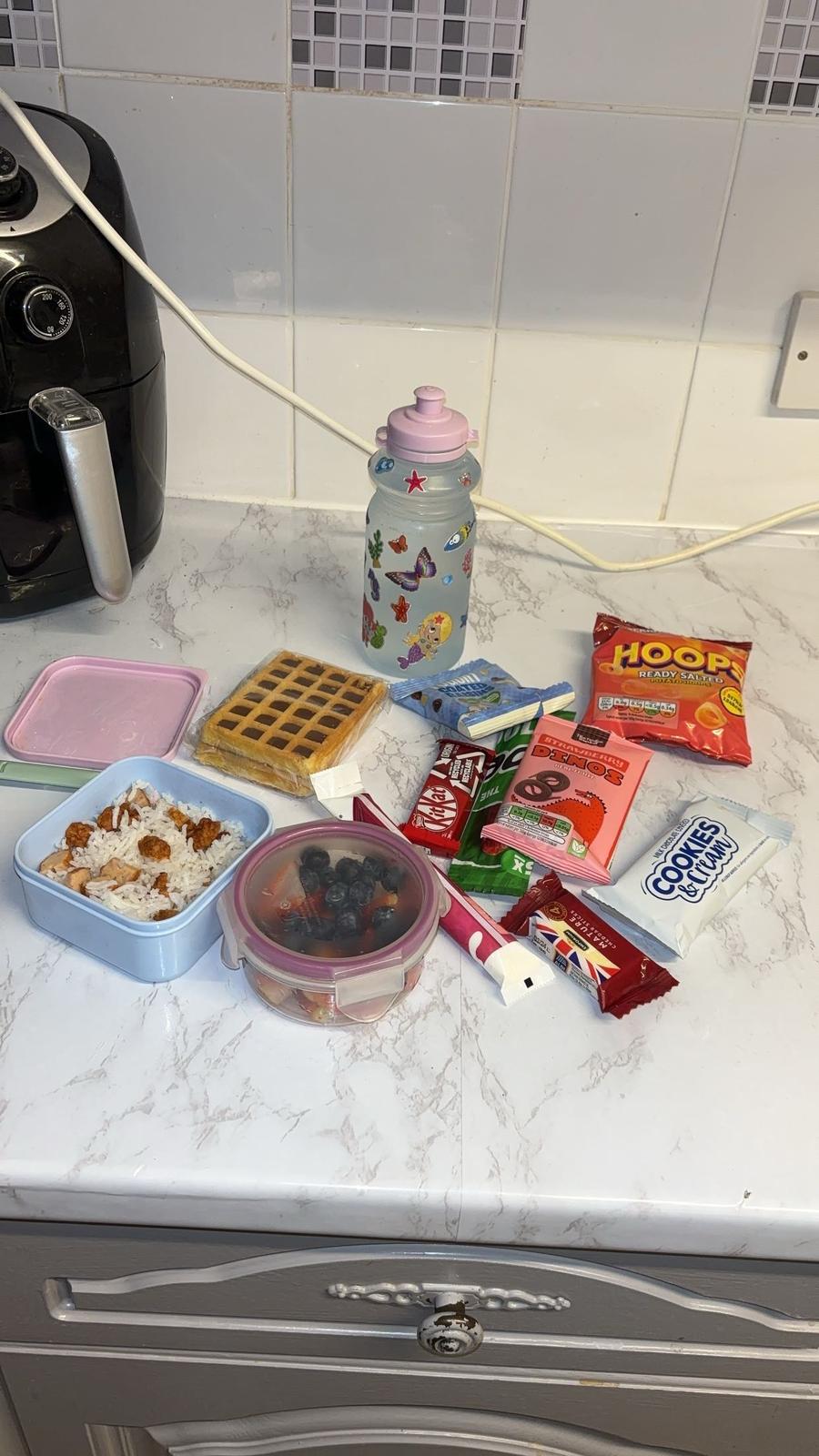
Emily: We like going to the caravan. We go Scotland, Wales. But I think we sometimes go to Butlins as well you know with the l'apartments there. Cause they had Mr Tumble there last time didn’t they? Grace: I like Mr Tumble! Emily: So we went to the parks and shopping and they do like entertainment, you know on the camp site. So we were doing stuff like that and swimming, riding bikes. All sorts, stuff like that.
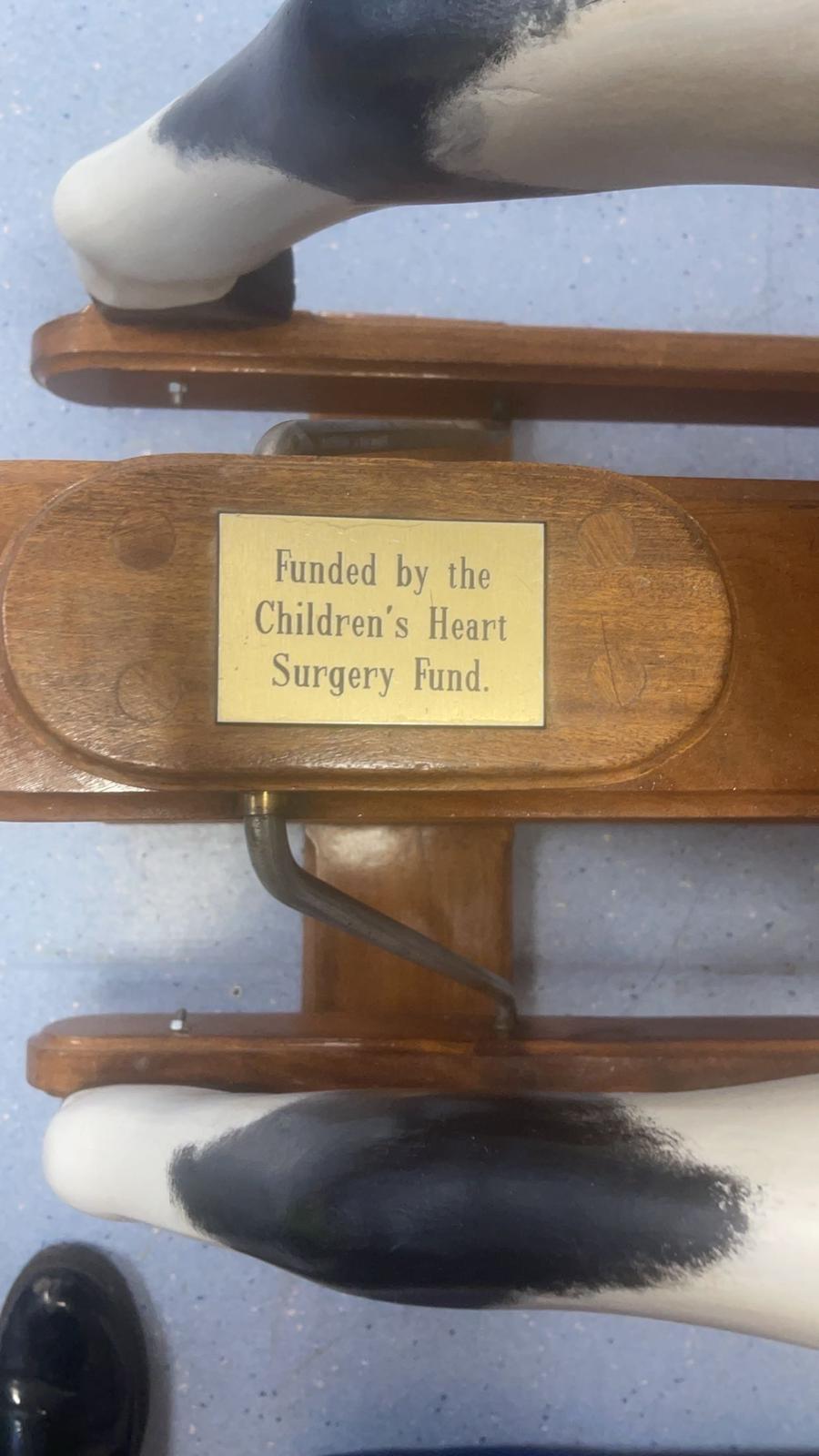
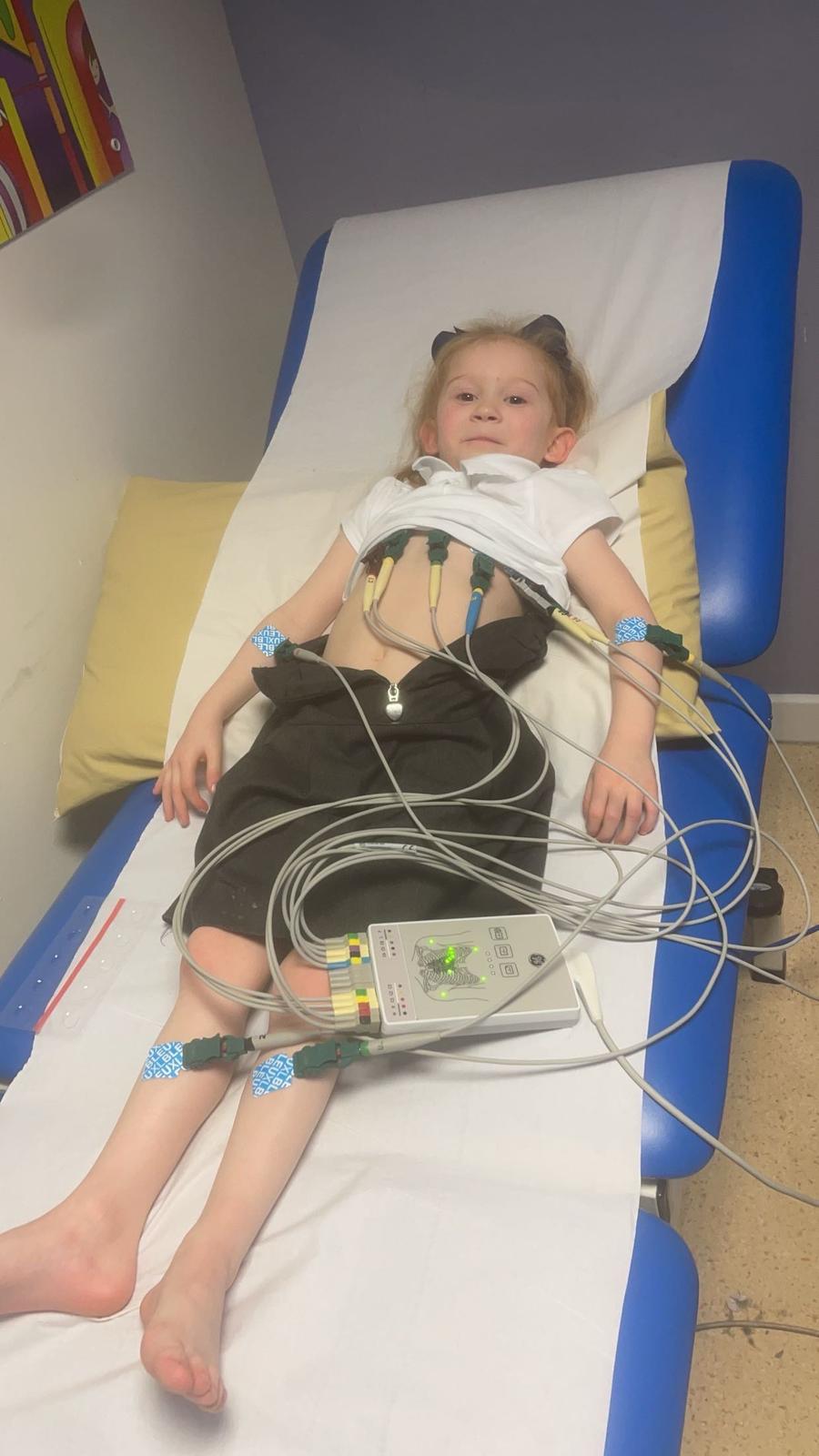
Health conditions
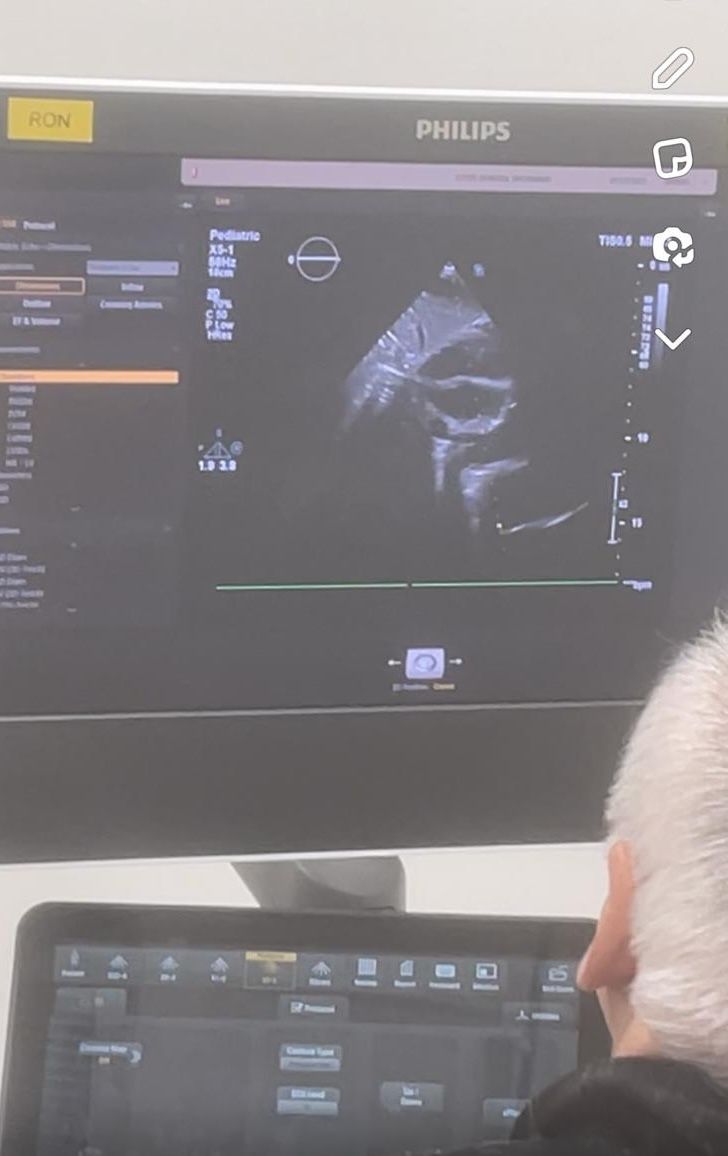
“She needs open heart surgery. And I was heartbroken, I couldn’t stop crying. After that, my depression then went downhill again. Like it’s kind of fluctuated since having Grace but I feel like it’s made me stronger… having Grace there to keep me going sorta thing. I feel like it’s just normal now for her going to hospital because we’ve been so many times [laughs]. But it’s just when, like on certain appointments and they tell you certain things if something’s got worse then it can be a bit overwhelming then. ”
From our partners and young dads
“[daughter]'s almost two-year-old. She came up the house and she actually really liked it. Preferably my house is the best place for her to, for the contact to be, if I’m honest, 'cause we just buy toys for her all the time. We’ve got a lovely garden that she can play in, lovely, big, and we’ve got a sandpit in there. We’ve been buying loads of things for her to play with to keep her occupied.”
“[Speaking about support of young fathers] We’ve done a lot of kind of advocation and representing them, a lot of the time there’s involvement with statutory services. They don’t have the care of the young person, the care’s provided by the state or the mother, so we’ve attended lots of meetings with the young person to offer additional support and facilitated contact where necessary and offered just general emotional wellbeing, support, improving robustness and resilience, encouraging them to have as amicable relationship as possible.”
“And I suppose it goes back to what we were saying before about behaviours, maybe the education side of stuff and the fact that men aren’t involved in those early conversations, you know, whether it is, I know they’re invited to come along to bumps to babies but I don’t know whether we go into the detail around some of that brain development side of stuff and things like that. Maybe that is the thing that really would change things. You know, if you were given all of that information about what happens to a child as they grow, in a scientific way, as easy to understand as possible, could be the thing that impacted on behaviour in the home.”
“If your child’s with the mother, like your relationship with her depends on your relationship with the child, innit. That’s what I realised a lot, like you can try and be bitter, you can try and be this, be that, but it’s just gonna push you further away from your child, innit.”
“I wanna fight for more stuff for dads. Like I do wanna have that extra support for new dads or even existing dads that we don’t get now 'cause we’re still important too although obviously the mum does need the majority a’ the care because obviously of the after care and the birth. But like the dads take it extremely hard as well. And obviously with having no support I think it increases the rise of mental health.”
“I think both a mother and father combined, it’s communicating and both being on the same page of what’s best for your child or children, and for both, it’s just being there 100% for them and not, like, putting yourself first, it’s, you know, putting the child’s interests first... ”
“We need to be including, we need to not [just] be focusing on mum and child […] That’s a great focus but dad … dad’s not invisible, dad needs to be in the picture as well because there’s research that shows you the effect it has on children and families as a whole when dad isn’t in the picture, so services need to be changing the way in which they work so it’s more inclusive.”
“Cause I think a lot of the time, some of young people who end up having children have been through the care system or support systems and they can feel quite judged or labelled by organisations and it’s breaking the cycle and breaking them out of that to feel empowered to be able to take stuff back, that’s the real interest to me. So, it’s about getting support right, as in being there and giving advice and guidance and all them things that we can do, but also making sure that we are doing with people as opposed to people.”
“One of the most successful projects we ever did was an informal dads’ group, and it used to be on Saturdays […] they did what they wanted, they used to do things like breakfast, and they would have breakfast together and talk about dad stuff and where they were taking their kids. And that group was always really well attended because there was never an agenda. They were never judged. They were just there together.”
“...the whole stay at home dad thing is not something to be ashamed of, you know, if you’re a dad and you wanna take your daughter out for the day, or you wanna take your kid out for the day on your own, well why is that frowned upon, why can’t you take your child out for the day”
“Oh…patience…compassion…tolerance, a whole boatload a’ that! Honestly, I like a whole lot of life. Sacrifice…compromise, yeah I think, yeah I think they, they would be the, the big, the five, I feel, I think that was five, they would be the main. ”
“We’re currently in touch with social services for two [dads] because they don’t understand why they can’t see their children because they haven’t been informed by social services, their partner. So there’s a massive communication breakdown with those young men, so that’s the main focus of what we’re dealing with at the minute.”
“it’s still…the…sense of judgement I get from other people when they find out that I have a child.And they say, ‘oh how old is she’.I say, ‘oh she’s ten’. And they say, ‘oh how old are you?’. Like you don’t need to know that....I know exactly where that thought process is going, you know. It’s like, ‘oh you look really young and you’ve had a kid’. It’s like, ‘yeah I know, I was there!’”
Partners